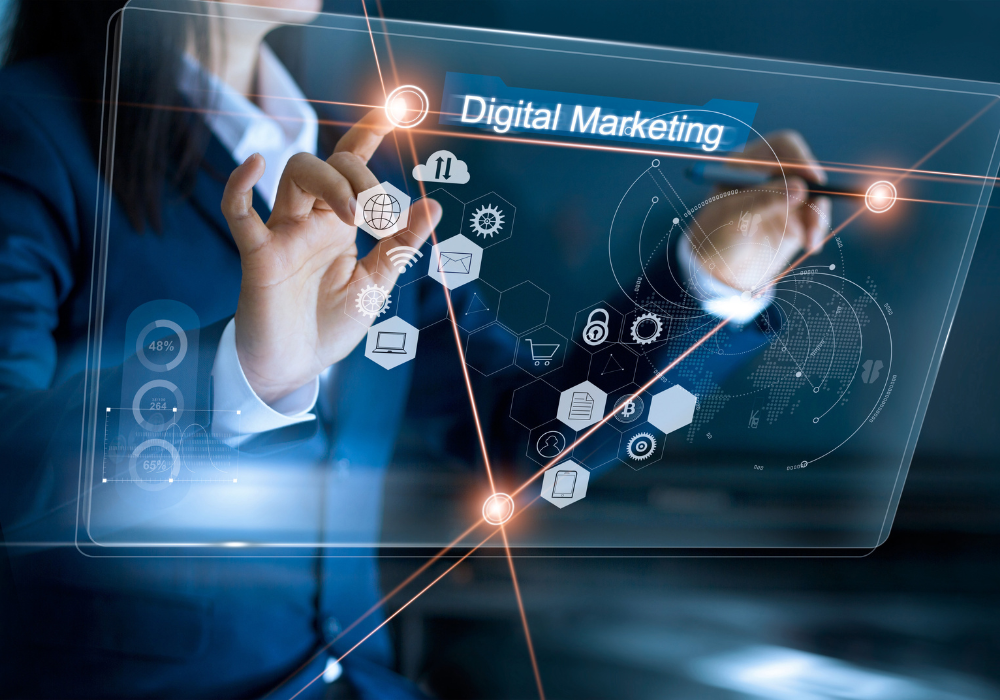
The way we connect with businesses has undergone a massive, quiet revolution over the past ten or fifteen years. Think back to how it used to be: if you wanted to get your name out there, your best bets were physical flyers jammed into mailboxes, a slot on the local radio station, an ad in the Digital Marketing morning newspaper, or a deeply expensive television commercial. While those old-school methods still have their place in the world, the reality of where our attention actually lives has fundamentally shifted.
Today, our lives are lived online.
When we want to buy something, we don’t look at a billboard; we pull out our phones and ask Google. We scroll through our social feeds to see what our friends are buying, read raw reviews from total strangers before putting in our credit card info, watch video tutorials to see a product in action, and open email newsletters that give us tips we can actually use.
This major shift in human behavior has turned digital marketing from a flashy corporate buzzword into the absolute heartbeat of modern business.
Whether you are a solo creator running a boutique from your dining room table, a local contractor serving your neighborhood, or a fast-growing tech startup, online marketing gives you a direct bridge to the people who want what you have. But here is the catch: true success online isn’t about screaming the loudest on every single app. It’s about slowing down, understanding your people, sharing real value, and building the kind of trust that keeps humans coming back for life.
Demystifying the Digital Landscape

At its absolute core, digital marketing is simply the art of building relationships through a screen. It encompasses everything your brand does online—your website, your presence on social media, your email campaigns, your video content, and your search engine strategy.
But unlike traditional advertising, where you throw money at a billboard and pray that the right people drive past it, the digital space gives you a living, breathing feedback loop.
You get to see exactly how real people interact with your business in real time. You can see which blog posts they actually read, where they get confused on your website, and what kind of messages make them smile. This means you get to stop guessing what your customers want and start actually listening to them. It turns marketing away from a cold manipulation tactic and back into a genuine conversation.
The Building Blocks of an Authentic Online Presence
If you want to build an online presence that feels human, sustainable, and highly effective, you need to focus on a few core pillars. Let’s break down how to approach them without losing your sanity.
Stop Trying to Talk to Everyone
The single biggest mistake a business can make is assuming their target market is “everybody.” When you try to speak to everyone, you end up speaking to no one. Your message becomes watered down, boring, and corporate.

Before you write a single line of copy or post a single image, sit down and think about the actual human being on the other side of the glass.
- What are they stressed about at 2:00 AM?
- What minor daily frustrations are they trying to solve?
- Where do they naturally hang out online to unwind?
- What kind of tone makes them feel safe and understood?
Build a Digital Front Porch
You don’t need an incredibly complex, multi-million-dollar website to be successful. You just need a space that feels clean, fast, and easy to navigate. Within five seconds of landing on your page, a visitor should know exactly what you do, how you can make their life better, and precisely what step they need to take next to work with you. A beautiful, intuitive website builds massive credibility before you’ve even had a single conversation.
Cultivate Long-Term Organic Growth (SEO)
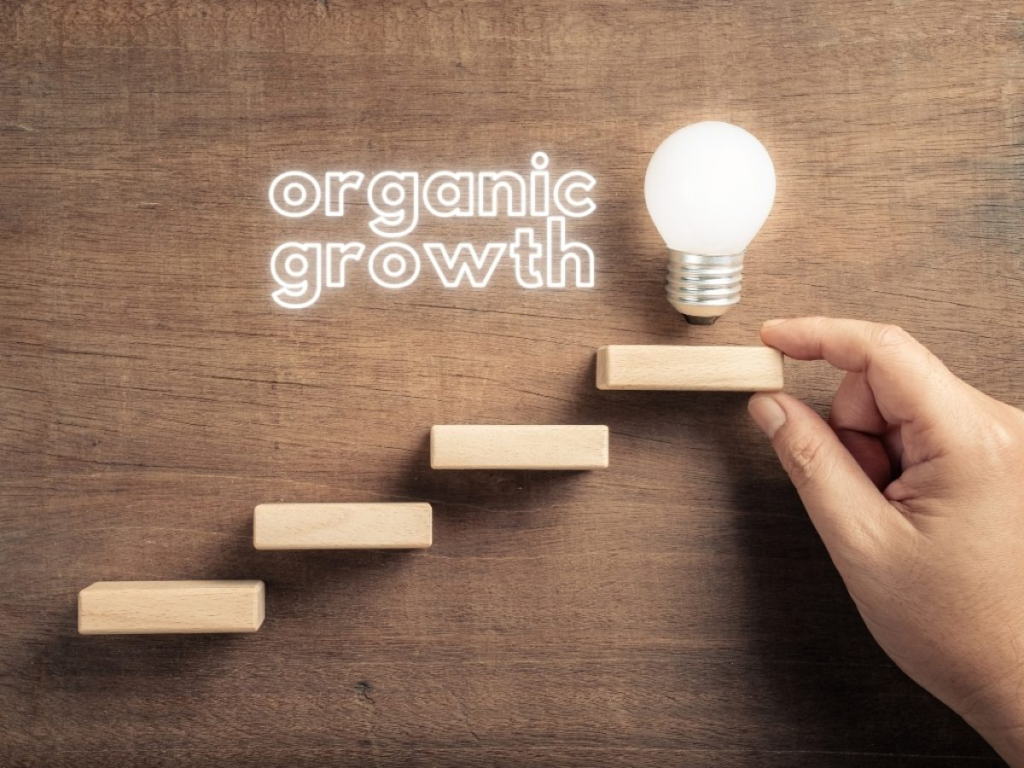
Search Engine Optimization (SEO) sounds incredibly clinical and technical, but it’s actually deeply psychological. It’s simply the process of making sure your website shows up when a real human asks a search engine for help.
When you write high-quality, informative articles that naturally answer the questions your audience is asking, search engines reward you by pushing your site to the top of the pile. Unlike paid ads that vanish the second you stop throwing money at them, good SEO acts like fruit trees you plant in the garden—it takes time, patience, and watering to grow, but once it takes root, it will continue to bring organic traffic to your business for years to come.
Give Away Value Freely (Content Marketing)
Nobody likes the feeling of being constantly sold to. We instinctively tune out the constant stream of companies shouting “Buy my stuff! Look at this discount! Sign up now!”
What we do love is learning things that make our lives easier, richer, or more interesting.
Content marketing is the practice of consistently showing up for your audience by providing free, genuinely useful information. This could be through deep-dive blog posts, short video tutorials, a weekly podcast, or downloadable checklists. When you consistently help people solve small problems for free, you build immense good will. When those people are finally ready to pay for a premium solution, guess who they are going to call? The brand that’s been helping them all along.
Social Media is for Connection, Not Broadcasting
Somewhere along the way, many brands forgot that the primary word in “social media” is social. They treat their channels like a digital megaphone to blast announcements, promotions, and stiff corporate updates.
The businesses that truly thrive on social media treat it like a backyard barbecue. They share behind-the-scenes glimpses of the real people running the show, tell stories about their customers, answer questions directly in the comments, and spark genuine conversations. Consistency and authenticity matter infinitely more than a glossy, over-produced feed. It’s better to have 500 deeply engaged, passionate followers who love your brand than 50,000 bots who don’t care you exist.
| Broadcasting Mindset | Community Mindset |
| Speaks at the audience using stiff, corporate language | Speaks with the audience like a helpful peer |
| Focuses entirely on promotional metrics and sales counts | Focuses on engagement, conversations, and human stories |
| Feels transactional and cold | Feels warm, approachable, and highly relational |
The Quiet Power of the Inbox
With all the hype surrounding new social apps and viral video trends, it’s easy to dismiss email marketing as a relic of the past. But don’t make that mistake. Email remains one of the most reliable, highest-converting tools in the entire digital toolkit.
Think about it this way: a social media algorithm can change overnight, cutting off your access to your followers. But your email list is yours. When someone gives you their email address, they are handing you a key to their most personal digital space. Honor that trust. Don’t spam them with constant pitch decks. Send them letters filled with insight, humor, exclusive advice, and personal stories. Treat your email list like an inner circle.
Harness the Human Face of Video
Video content has taken over the internet because it mirrors how we naturally interact as human beings. It combines sight, sound, pacing, and facial expressions to build an emotional connection that static text simply cannot replicate.

You don’t need an entire production crew or a Hollywood studio setup to get started with video. Some of the most effective videos online today are shot on ordinary smartphones by business owners standing in their workshops or kitchens, talking directly to the camera. Share quick tips, give a tour of your workspace, do an honest product demonstration, or let your team show their personalities. When people can see your eyes and hear your voice, trust builds exponentially faster.
Think Mobile First
We are a culture on the move. The vast majority of your audience is reading your emails, browsing your social posts, and exploring your website while sitting on the bus, waiting in line for coffee, or relaxing on the couch with a smartphone in their hand.
If your digital experience isn’t optimized for a small mobile screen, you are hemorrhaging money. Make sure your website loads within a couple of seconds, that your text is large enough to read without squinting, and that your checkout process can be completed smoothly with a thumb. Designing for the mobile experience is no longer an afterthought—it is the baseline requirement.
The Long Game: Consistency Beats Flash
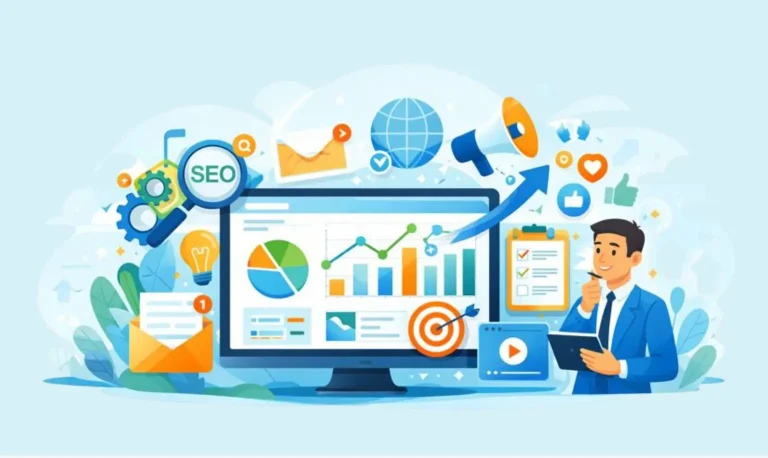
It is incredibly easy to get excited about digital marketing, buy a bunch of tools, post five times in one week, and then get discouraged when your sales don’t instantly double. But real, lasting digital growth doesn’t happen in a weekend. It is a slow, steady accumulation of small, positive touchpoints.
It’s about showing up consistently with helpful content, answering that random comment in your inbox, refining your website layout based on user behavior, and continuously adapting to the ever-changing digital landscape.
Don’t let the algorithms or the technical jargon intimidate you. At the end of the day, all the software, platforms, and data points are just tools to help you do one simple thing: find your people, solve their problems, and treat them with respect. Keep your focus on the human on the other side of the screen, trust the process, and let your community grow naturally.
FAQs
1. What is digital marketing?
Digital marketing is the promotion of products or services through online channels like websites, social media, and search engines.
2. Why is digital marketing important for businesses?
It helps businesses reach more customers, increase brand awareness, and generate sales online.
3. Which digital marketing strategy is most effective?
A combination of SEO, content marketing, social media, and email marketing often delivers the best results.
4. How long does digital marketing take to show results?
SEO may take a few months, while paid advertising can produce results almost immediately.
5. Can small businesses benefit from digital marketing?
Yes, digital marketing is cost-effective and helps small businesses compete with larger brands by reaching targeted audiences.