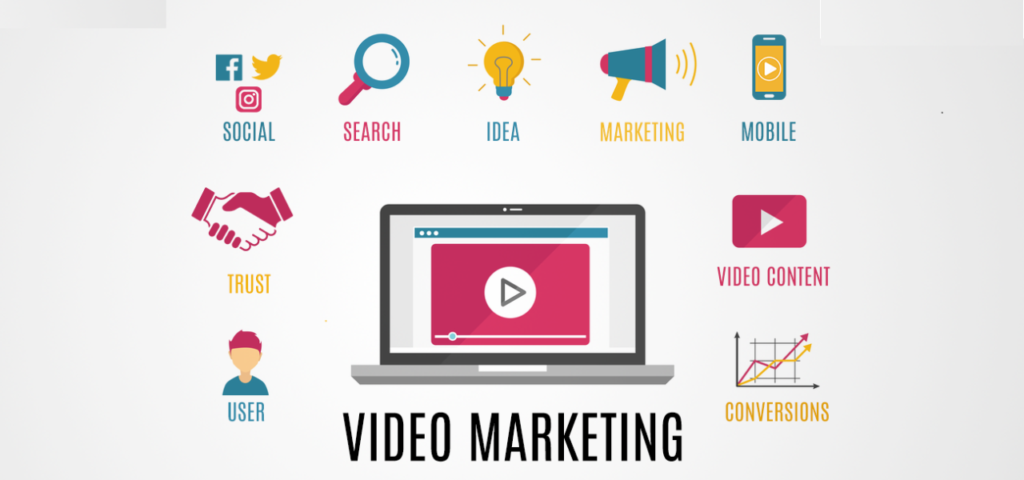
Video Marketing has become one of the most effective ways for brands to connect with people online. A well-made video can explain a product, tell a brand story, answer a customer question, or simply give people a reason to stop scrolling.
But successful video marketing is about more than posting random clips. The brands that get the best results usually have a clear strategy behind every video—from choosing the right audience and platform to creating useful content and tracking performance.
Whether you’re a small business, creator, startup, or established brand, the right video marketing strategy can help you build awareness, increase engagement, and turn viewers into customers.
What Is Video Marketing?
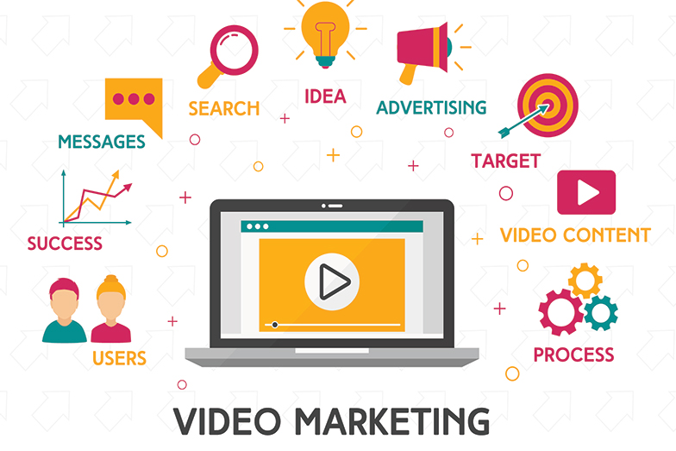
Video marketing is the use of video content to promote a brand, product, service, or idea. Videos can be shared across websites, social media platforms, email campaigns, online stores, and other digital channels.
Common types of marketing videos include:
- Short-form social videos
- Product demonstrations
- Tutorials and how-to videos
- Customer testimonials
- Behind-the-scenes content
- Educational videos
- Brand storytelling
- Explainer videos
- Live videos
- Interviews and expert content
- User-generated content
The goal isn’t always to make a sale immediately. Some videos are designed to introduce your brand, while others build trust or help customers make a purchasing decision.
Why Video Marketing Matters in 2026
People increasingly discover brands through visual content. A short video can communicate an idea quickly while also showing personality, emotion, and real-world results.
Video can be particularly valuable because it can:
- Increase brand visibility
- Make complex topics easier to understand
- Encourage social engagement
- Build trust with potential customers
- Showcase products in action
- Support search visibility
- Generate leads
- Strengthen customer relationships
- Drive website and product-page traffic
The key is to focus on useful, relevant content rather than creating videos simply because video is popular.
Define Your Video Marketing Goals
Before recording anything, decide what you want the campaign to accomplish.
A brand-awareness campaign might focus on reaching new audiences. A product campaign may focus on clicks and sales. An educational campaign could prioritize watch time, saves, and shares.
Your goals might include:
- Increasing brand awareness
- Growing social media reach
- Generating leads
- Driving website traffic
- Increasing product sales
- Improving customer education
- Building an online community
- Increasing engagement
A clear goal makes it much easier to decide what type of videos you should create and which metrics actually matter.
Know Your Target Audience

Great video content starts with understanding the person watching it.
Think about your audience’s:
- Problems
- Interests
- Questions
- Buying habits
- Preferred platforms
- Age group
- Content preferences
- Common objections
Instead of asking, “What video should we make?”, ask:
“What would our audience find useful, entertaining, or worth sharing?”
That simple change can transform your content strategy.
For example, a skincare brand could create educational videos about choosing products for different skin types, while a home-improvement business might publish quick repair tutorials.
Choose the Right Video Format





Different formats work for different marketing objectives.
Short-Form Videos
Short videos are useful for capturing attention quickly and introducing your brand to new audiences. They work especially well for tips, quick tutorials, product highlights, trends, and behind-the-scenes moments.
Educational Videos
Educational content can position your business as a helpful source of information. Tutorials, guides, explainers, and industry tips can attract people who are actively searching for answers.
Product Videos
Product demonstrations show customers how something works rather than simply telling them about it.
Show:
- How the product works
- Important features
- Practical benefits
- Different ways to use it
- Common questions
- Real-life applications
Customer Testimonials
Authentic customer experiences can help reduce hesitation and build credibility.
Whenever possible, focus on specific experiences rather than generic statements. Explain what problem the customer had, what solution they used, and what changed afterward.
Behind-the-Scenes Videos
People don’t only connect with products—they connect with people.
Show your team, creative process, workspace, packaging process, product development, or everyday business moments to make your brand feel more human.
Create Videos That Hook Viewers Quickly

The opening seconds matter.
If viewers don’t understand why they should keep watching, they may scroll away.
Instead of beginning with a long introduction, start with something that creates immediate interest.
For example:
Weak opening:
“Hi everyone, today we’re going to talk about some useful marketing tips.”
Stronger opening:
“Your videos may be getting views—but here’s why they’re not generating customers.”
Other effective hooks include:
- A surprising fact
- A common mistake
- A quick question
- A useful promise
- A problem your audience recognizes
- A before-and-after comparison
- A strong visual
The hook should match the actual content. Avoid exaggerated claims that make viewers feel misled.
Focus on Storytelling

Even a simple marketing video can benefit from a clear story.
A basic structure is:
Problem → Solution → Result
For example:
A customer struggles with organizing a small kitchen → your product provides a practical solution → the customer gets a cleaner, more functional space.
Storytelling gives viewers a reason to care about what happens next.
You don’t need expensive production equipment to tell a good story. A clear idea, strong visuals, natural delivery, and useful information can be more important than a huge production budget.
Make Your Brand Recognizable

Your videos should feel connected to your overall brand.
Maintain consistency in areas such as:
- Logo usage
- Visual style
- Fonts
- Messaging
- Tone of voice
- Music choices
- Editing style
- Colors
- Storytelling approach
However, consistency doesn’t mean every video needs to look identical.
Give your content enough flexibility to feel natural on each platform while keeping your core brand identity recognizable.
Optimize Videos for Each Platform
One video doesn’t necessarily need to be published exactly the same way everywhere.
Consider adapting the format, length, caption style, thumbnail, and opening hook to each platform.
For example:
- YouTube: Tutorials, reviews, educational videos, long-form content
- Instagram: Reels, product showcases, behind-the-scenes content, Stories
- TikTok: Short educational clips, demonstrations, entertaining content, trends
- LinkedIn: Industry insights, professional education, customer stories
- Website: Product demonstrations, explainers, testimonials, tutorials
The best platform depends on where your target audience actually spends time.
Use SEO to Help People Discover Your Videos

Video marketing and SEO can work together.
When publishing video content, pay attention to:
- Video titles
- Descriptions
- Relevant keywords
- Captions and transcripts
- Thumbnail quality
- Topic relevance
- Search intent
- Internal links
- Clear calls to action
Don’t stuff keywords into titles or descriptions. Instead, use natural language that clearly tells people what the video is about.
For example, instead of:
“Marketing Video Business Brand Sales Strategy Tips”
use:
“How to Create a Video Marketing Strategy That Generates More Leads”
The second title is clearer for both users and search engines.
Don’t Ignore Captions
Many people watch videos without sound, especially when browsing social media in public places.
Adding accurate captions can make your content easier to understand and more accessible.
Captions can also reinforce important messages and help viewers follow educational or information-heavy content.
Keep on-screen text readable and avoid placing too much text on the screen at once.
Add a Clear Call to Action

Every marketing video should have a purpose.
Once viewers finish watching, tell them what to do next.
Your call to action might be:
- Visit your website
- Shop a product
- Read an article
- Download a guide
- Subscribe
- Follow your account
- Leave a comment
- Book a consultation
- Sign up for an email list
Don’t overwhelm viewers with five different actions. Choose the next step that makes the most sense for the video’s goal.
Use Authentic Content to Build Trust

Today’s audiences can quickly recognize content that feels overly promotional.
That doesn’t mean professional content is bad. It simply means brands should avoid making every video sound like an advertisement.
Try mixing promotional videos with:
- Helpful tips
- Customer stories
- Educational content
- Frequently asked questions
- Mistakes to avoid
- Industry insights
- Team stories
- Product tutorials
This creates a healthier balance between selling and helping.
Experiment With AI Video Marketing
AI is becoming an increasingly useful part of the video creation process.
Depending on your workflow, AI tools can assist with:
- Brainstorming ideas
- Writing initial scripts
- Generating captions
- Creating content variations
- Transcribing videos
- Repurposing long videos into shorter clips
- Organizing content ideas
- Analyzing performance patterns
However, AI should support your creative process rather than replace your brand’s personality.
The strongest content still needs human judgment, original ideas, accurate information, and a genuine understanding of the audience.
Repurpose Your Best Video Content
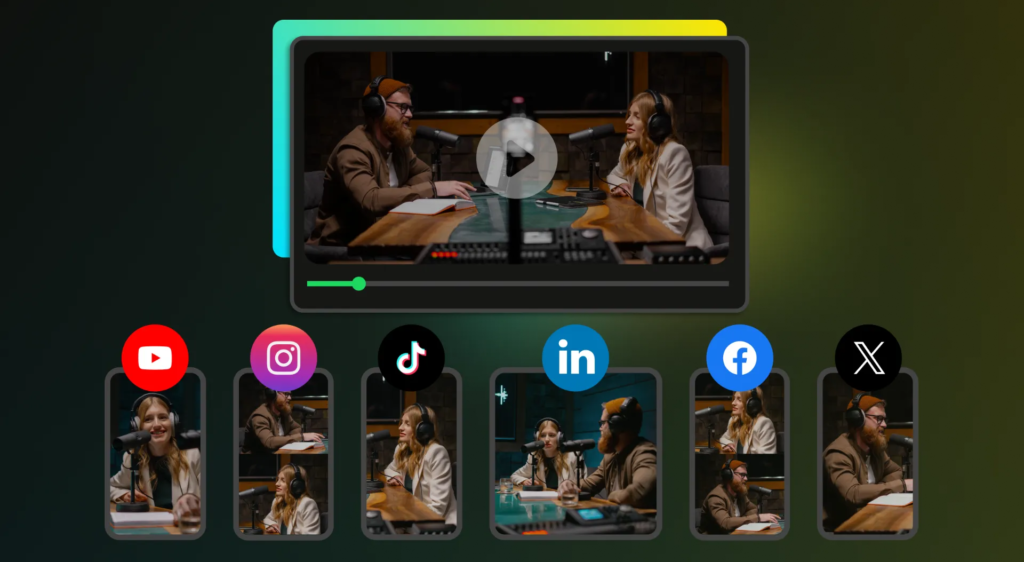
You don’t always need to start from scratch.
One strong piece of content can become several smaller assets.
For example:
One long video →
- 3 short clips
- 1 educational Reel
- Several social posts
- A blog article
- An email newsletter
- A quote graphic
- A FAQ section
Repurposing can help you maintain a consistent publishing schedule without constantly creating completely new ideas.
Track the Right Video Marketing Metrics
Views are useful, but they don’t tell the entire story.
Depending on your objective, monitor metrics such as:
| Goal | Useful Metrics |
|---|---|
| Brand awareness | Reach, impressions, views |
| Engagement | Likes, comments, shares, saves |
| Viewer interest | Watch time, completion rate |
| Website traffic | Clicks, sessions |
| Lead generation | Form submissions, sign-ups |
| Sales | Conversions, revenue |
| Audience growth | Followers, subscribers |
| Content quality | Retention and repeat views |
A video with 10,000 views and no meaningful action may be less valuable than a video with 2,000 highly relevant viewers that generates qualified leads.
Build a Consistent Video Content Calendar
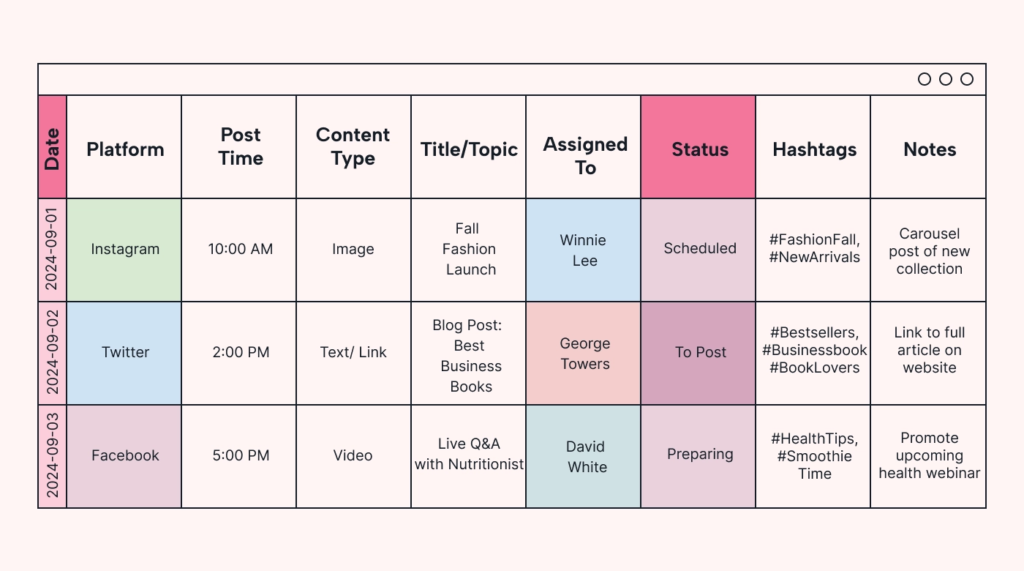
Consistency is easier when you plan ahead.
A simple weekly schedule might include:
Monday: Educational tip
Wednesday: Product or service video
Friday: Behind-the-scenes or entertaining content
Weekend: Customer story or community-focused post
Your schedule doesn’t have to be complicated.
The important thing is to create a realistic publishing rhythm that your team can maintain.
Common Video Marketing Mistakes to Avoid

Even good brands can struggle with video when the strategy isn’t clear.
Avoid these common mistakes:
- Creating videos without a specific goal
- Copying every viral trend
- Making the introduction too long
- Focusing only on selling
- Ignoring mobile viewers
- Using poor audio
- Adding too much text
- Forgetting captions
- Publishing the same content everywhere without adaptation
- Tracking views but ignoring conversions
- Giving viewers no next step
- Prioritizing quantity over usefulness
The goal isn’t to create the most videos. It’s to create videos that matter to the right audience.
The Future of Video Marketing
Video marketing is moving toward a more personalized, useful, and interactive experience.
Brands are experimenting with AI-assisted production, short-form storytelling, creator partnerships, live content, personalized videos, shoppable experiences, and community-driven content.
But technology isn’t the most important part.
The brands that stand out will continue to focus on the basics: understanding their audience, telling better stories, providing real value, and building trust.