Search Engine Optimization (SEO) stands as one of the most effective digital marketing strategies for increasing website visibility, attracting sustainable organic traffic, and building a powerful online presence. Whether managing a personal blog, a fast-growing e-commerce platform, or an enterprise business site, SEO empowers your content to connect directly with users who are actively searching for your expertise on search engines like Google.
In 2026, search optimization continues to undergo remarkable shifts driven by advancements in artificial intelligence, real-time user experience metrics, and constantly refining search algorithms. Mastering modern SEO practices allows you to improve search rankings, drive targeted visitors to your pages, and establish long-term digital authority. This guide explores the core strategies every website owner must implement to thrive in search.
Understanding the Core Pillars of SEO
Search Engine Optimization is the continuous process of refining a website to rank higher in organic search results for relevant keywords and queries. Unlike paid ad campaigns that stop generating leads the moment funding pauses, effective SEO builds a compounding, long-term traffic asset.
Modern search optimization relies on three interconnected pillars:
- On-Page SEO: Optimizing individual page content, HTML tags, and internal links.
- Off-Page SEO: Building domain authority through genuine external backlinks and brand mentions.
- Technical SEO: Ensuring search engine crawlers can easily index, render, and understand your site structure.
A comprehensive strategy seamlessly integrates all three pillars to deliver value to both readers and search crawlers.
Why Search Optimization Matters for Your Growth
Prioritizing search engine optimization delivers measurable, long-term business advantages that outperform temporary marketing tactics.
Key advantages include:
- Sustained streams of free, highly targeted organic traffic
- Significantly higher organic rankings for competitive industry terms
- Enhanced overall user experience across desktop and mobile devices
- Strengthened brand credibility, authority, and consumer trust
- Higher conversion rates driven by intent-focused search visitors
- Exceptional long-term return on investment (ROI)
- Deeper insights into customer search behavior and interest trends
Investing in solid SEO practices transforms your website into a reliable customer acquisition channel.
1. Conduct Intent-Driven Keyword Research

Keyword research serves as the foundational starting point for any high-performing search strategy. It allows you to uncover the exact phrases, questions, and terminology your target audience uses when searching online.
When evaluating potential target keywords, prioritize:
- High topical relevance aligned directly with your business offerings
- Clear user search intent (informational, transactional, or navigational)
- Reasonable competition levels matching your domain’s current authority
- Long-tail keyword phrases that carry lower competition and higher conversion rates
- Emerging industry trends and seasonal search patterns
Focus every piece of content around one primary target keyword while naturally incorporating semantic LSI terms.
2. Produce Helpful, People-First Content
High-quality content remains the single most critical ranking factor for long-term search success. Search engines continuously reward original, well-researched, and comprehensive content that directly solves user problems.
To craft top-ranking content:
- Provide thorough, direct answers to the user’s explicit query right away.
- Structure information logically with clear formatting, bullet points, and short paragraphs.
- Include verified facts, actionable insights, and practical real-world examples.
- Demonstrate deep subject-matter expertise and first-hand experience (E-E-A-T).
- Keep information fresh, accurate, and regularly updated.
Creating genuinely helpful content builds trust with readers while signalling clear quality to search algorithms.
3. Optimize On-Page Ranking Elements
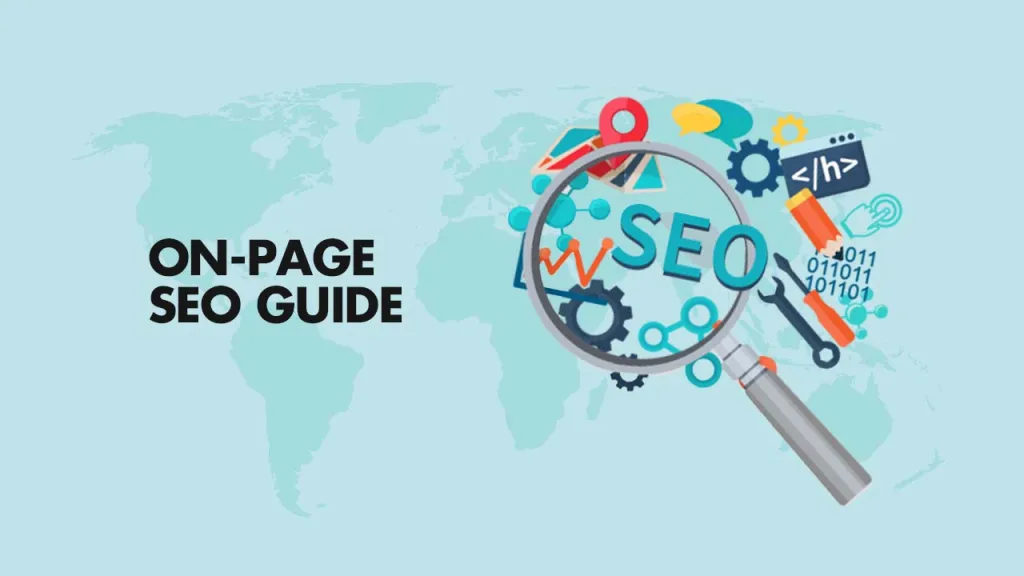
On-page optimization ensures that search engines can instantly understand the topic, structure, and value of your web pages.
Key elements to optimize on every page:
- Crafting magnetic, keyword-rich Title Tags under 60 characters
- Writing persuasive Meta Descriptions that drive high click-through rates (CTR)
- Structuring headings logically using H1 for page titles and H2/H3 for subtopics
- Placing primary keywords naturally within the first 100 words and subheadings
- Adding descriptive Image Alt Text to assist accessibility and image search
- Using short, clean, and readable URL structures
Meticulous on-page optimization bridges the gap between your writing and search engine understanding.
4. Optimize Site Speed and Performance
Website loading speed directly impacts both user retention and search engine performance. Visitors expect pages to render almost instantly, and search engines penalize slow, unresponsive websites.
Actionable steps to accelerate site speed:
- Compress and convert heavy images into modern formats like WebP or AVIF.
- Minify unnecessary CSS, JavaScript, and HTML code.
- Leverage browser caching and modern Content Delivery Networks (CDNs).
- Reduce render-blocking resources and external script dependencies.
- Upgrade to high-performance, specialized web hosting environments.
A fast-loading website creates a frictionless environment that keeps visitors engaged longer.
5. Prioritize Complete Mobile-First Optimization
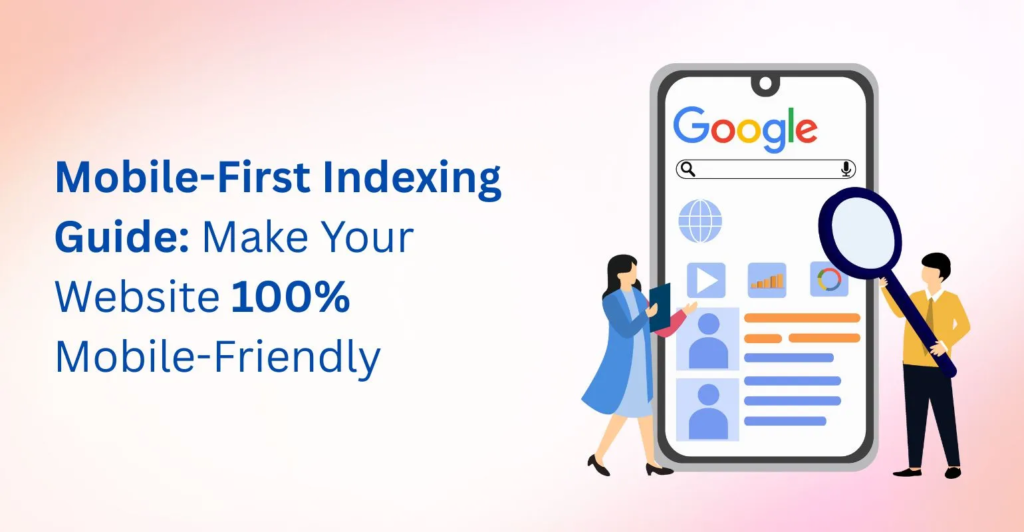
With the vast majority of web traffic originating from mobile devices, search engines utilize mobile-first indexing exclusively. Your website’s mobile version is considered the primary version for indexing and ranking.
Essential requirements for mobile optimization:
- Fully responsive design that adapts fluidly to any screen size
- Large, easy-to-read typography that requires no zooming
- Fast loading times on mobile networks (3G/4G/5G)
- Touch-friendly buttons and clear navigation menus
- Elimination of intrusive pop-ups that block main content
Flawless mobile usability is non-negotiable for achieving top search engine rankings.
6. Build Strategic Internal and External Links
Link architecture helps search engines discover new pages, understand site context, and calculate domain authority.
Best practices for building a strong link profile:
- Implement intelligent internal linking to connect related topics and pass page authority.
- Earn high-quality backlinks naturally from respected, niche-relevant websites.
- Use descriptive, keyword-relevant anchor text instead of generic “click here” labels.
- Audit your link profile regularly to locate and repair broken links.
- Avoid shady link schemes or buying low-quality backlink packages.
Quality and topical relevance far outweigh sheer backlink quantity when building domain trust.
7. Master Technical SEO Infrastructure
Technical SEO guarantees that search engines can crawl, parse, render, and index your website without encountering technical roadblocks.
Critical technical components include:
- Maintaining an accurate XML Sitemap submitted to search consoles
- Configuring your Robots.txt file correctly to guide search crawlers
- Securing your entire domain with HTTPS encryption
- Implementing Schema Markup (Structured Data) to trigger rich search snippets
- Setting Canonical Tags properly to eliminate duplicate content issues
- Maintaining a clean, logical site architecture
Conducting periodic technical site audits prevents hidden errors from eroding your hard-earned rankings.
8. Elevate User Experience (UX) and Core Web Vitals

Search engines prioritize websites that deliver smooth, satisfying, and frustration-free user experiences. Metrics that measure page responsiveness, layout stability, and visual load times play a direct role in evaluation.
Strategies to enhance user experience:
- Pass Google’s Core Web Vitals thresholds (LCP, INP, CLS).
- Maintain intuitive, simple site navigation pathways.
- Use highly readable typography and generous white space.
- Break up dense walls of text using contextual headings, callout boxes, and media.
- Eliminate annoying layout shifts during page load.
Delighting your human visitors inherently aligns your site with modern search engine ranking goals.
9. Monitor and Analyze Performance Metrics
Continuous tracking enables you to identify winning strategies, detect traffic drops early, and make data-driven optimization decisions.
Key SEO metrics to monitor:
- Organic traffic growth and user sessions
- Keyword ranking positions across desktop and mobile
- Click-Through Rates (CTR) from search engine results pages
- User engagement metrics and bounce rates
- Conversion rates driven specifically by organic search
- Total number of indexed pages and crawl health
Regular performance analysis allows you to refine your content roadmap based on real audience data.
10. Adapt to Emerging Search Trends

Search technology evolves rapidly, making continuous learning and adaptation essential for maintaining visibility.
Prominent search trends shaping the industry include:
- AI-assisted and generative search result interfaces
- Optimization for conversational voice search queries
- Visual search and image recognition indexing
- Establishing deep topical authority across entire content hubs
- Structuring data for rich direct answers in search results
- Prioritizing real human experience and first-hand knowledge in writing
Staying ahead of industry shifts ensures your brand remains visible as search behavior changes.
Critical SEO Mistakes to Avoid
Steer clear of these common, costly mistakes that can severely penalize your site’s search visibility:
- Stuffing keywords unnaturally into body text or headers
- Publishing thin, auto-generated, or duplicate content
- Neglecting mobile user experience and touch layouts
- Ignoring slow page load speeds and large uncompressed media
- Failing to write unique meta descriptions and page titles
- Purchasing spammy backlinks from low-quality link farms
- Overlooking broken links and 404 navigation errors
Eliminating these technical and content pitfalls leads to faster ranking improvements.
Essential Tools for Your SEO Toolkit
Leveraging industry-standard tools simplifies competitive analysis, site audits, and keyword discovery.
Indispensable SEO software options:
- Google Search Console: Essential for tracking indexation, search performance, and technical errors.
- Google Analytics: Vital for analyzing user behavior, organic traffic, and conversions.
- Ahrefs & Semrush: Comprehensive suites for backlink analysis, keyword research, and competitor tracking.
- Screaming Frog: Powerful desktop crawler for running deep technical site audits.
- Yoast SEO & Rank Math: Popular plugins for streamlining on-page WordPress optimization.
Using the right tools gives you clear actionable insights to outpace your competitors.