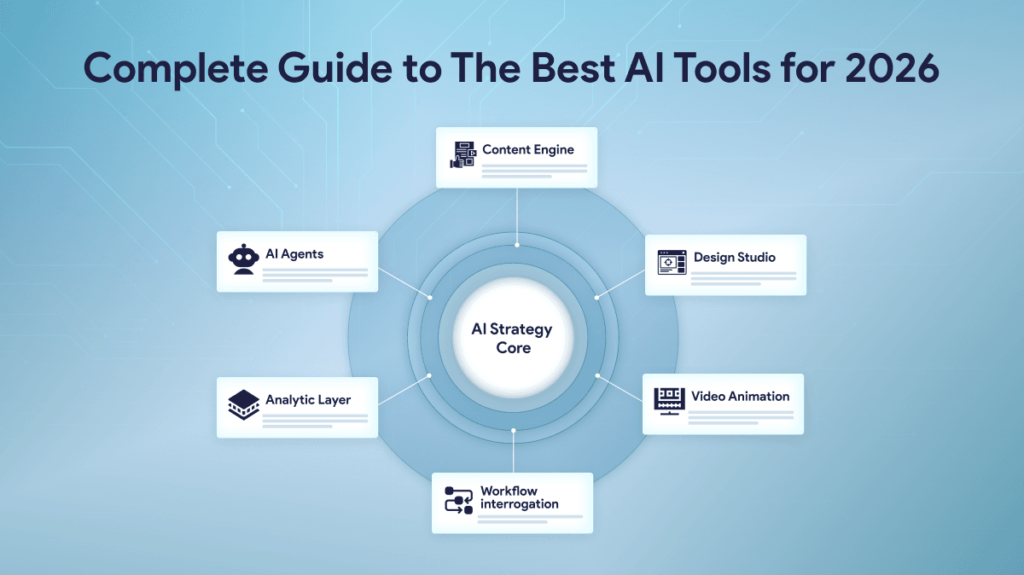
Artificial intelligence and automation are no longer technologies reserved for large companies or technical experts. In 2026, they have become part of everyday work, helping people save time, reduce repetitive tasks, improve productivity, and make better decisions. From writing emails and creating content to managing customer support and analyzing data, AI and automation tools are changing how businesses and individuals work.
The biggest advantage of these tools is not simply that they can perform tasks quickly. Their real value comes from helping people focus on creative thinking, problem-solving, strategy, and meaningful work instead of spending hours on repetitive activities. Whether you are a student, content creator, marketer, freelancer, entrepreneur, or business owner, understanding how to use AI and automation can give you a major advantage.
This guide explores the role of AI and automation tools in 2026, the different types available, their benefits, practical use cases, and how to choose the right tools for your needs.
What Are AI and Automation Tools?
AI tools use artificial intelligence and machine learning to perform tasks that normally require human intelligence. These tasks can include understanding language, generating content, recognizing images, analyzing information, making predictions, and answering questions.
Automation tools, on the other hand, are designed to perform repetitive tasks automatically based on predefined rules or triggers. For example, an automation platform can send an email when someone fills out a form, update a spreadsheet when a new order is received, or notify a team member when a task is completed.
When AI and automation work together, they become even more powerful. AI can make decisions or generate information, while automation can move that information through different systems without requiring someone to handle every step manually.
Why AI and Automation Matter in 2026
The workplace has changed significantly, and businesses are looking for faster and more efficient ways to complete everyday tasks. AI-powered productivity and automation are helping organizations handle more work without increasing unnecessary manual effort.
For individuals, these tools can make daily responsibilities easier. A content writer can use AI to brainstorm ideas and create outlines, while an automation tool can organize content calendars or send notifications. A marketing team can use AI to analyze customer behavior and automation to manage campaign workflows.
The goal should not be to replace human creativity. Instead, the most effective approach is to use technology to support human skills and reduce repetitive work.
AI Writing and Content Creation Tools
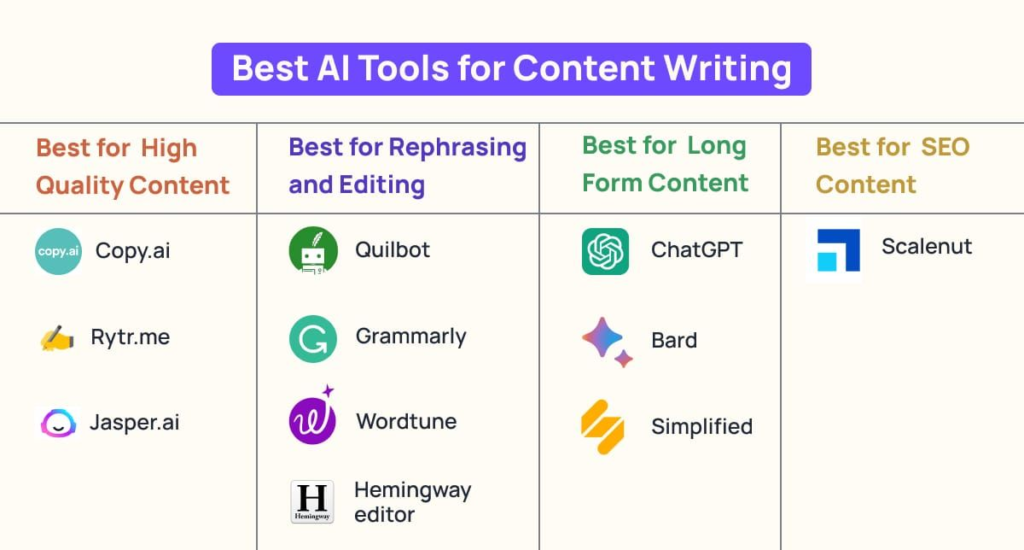
Content creation is one of the areas where AI has made a significant impact. AI writing tools can help users brainstorm topics, create outlines, rewrite sentences, summarize information, and develop first drafts.
For bloggers and marketers, these tools can make the early stages of content creation much faster. Instead of staring at a blank page, writers can use AI to generate content ideas, headline variations, research questions, and article structures.
However, AI-generated content should not simply be published without review. Human writers still need to check accuracy, add personal experience, improve the writing style, and make sure the content genuinely helps readers.
The best results usually come from a human-plus-AI workflow, where AI handles repetitive or time-consuming tasks while humans provide judgment, originality, and personality.
AI Tools for Productivity
Productivity tools are another major category in 2026. These platforms can help people manage tasks, organize information, summarize meetings, draft messages, and prioritize their workload.
For example, an AI assistant can summarize a long meeting and identify important action items. Another tool can help organize notes or turn a list of ideas into a structured plan.
The biggest benefit is reducing mental clutter. Instead of spending time searching through documents or manually organizing information, users can let AI handle the initial organization and focus on decisions that require human attention.
AI Tools for Marketing
Digital marketing involves many repetitive and data-heavy activities, making it an ideal area for AI and automation. Modern marketing teams can use AI to support audience research, content planning, ad copy creation, keyword analysis, customer segmentation, and campaign optimization.
Automation can then connect different parts of the marketing process. For example, when a customer signs up for a newsletter, an automated workflow can add the contact to a marketing list and trigger a welcome email.
AI can also analyze campaign performance and identify patterns that may be difficult to spot manually. However, marketers should still review recommendations carefully because data alone does not understand brand identity, customer emotions, or business context.
AI for Customer Support

Customer service is another area where AI automation can save considerable time. AI-powered chatbots and virtual assistants can answer common questions, provide basic information, and guide customers toward relevant resources.
This does not mean every customer interaction needs to be handled by AI. A better approach is to let automation manage simple and repetitive questions while human agents handle complicated or sensitive situations.
For businesses, this approach can improve response times while allowing customer support teams to spend more time on issues that genuinely require human understanding.
AI Tools for Data Analysis
Businesses generate huge amounts of information every day, but raw data is only useful when people can understand it. AI-powered analytics tools can help users identify trends, summarize reports, find unusual patterns, and turn complex information into easier-to-understand insights.
Even people without advanced technical skills can increasingly use natural-language interfaces to ask questions about their data. Instead of manually creating every report, users can ask an AI system to identify important trends, performance changes, or potential problems.
Human review remains important because business decisions should not be based entirely on automated interpretations.
Workflow Automation Tools
Workflow automation connects different applications and allows them to work together automatically. This can be particularly useful for businesses that rely on multiple platforms for communication, project management, marketing, sales, and reporting.
For example, a new customer inquiry could automatically create a task for the sales team, add the customer to a database, and send a confirmation email.
This type of automation helps eliminate repetitive administrative work and reduces the possibility of human error. It also creates more consistent processes across a team.
AI for Small Businesses

AI and automation are not only useful for large organizations. Small businesses can benefit significantly because they often have limited staff and resources.
A small business owner can use AI for social media ideas, email drafting, customer communication, product descriptions, research, and basic data analysis. Automation can help manage appointments, follow-up emails, invoices, lead collection, and internal notifications.
The important thing is to start small. Instead of trying to automate the entire business, identify one repetitive task that takes too much time and find a tool that can simplify it.
AI for Content Creators and Freelancers
Freelancers and creators often manage many responsibilities at once. They may need to communicate with clients, create content, manage projects, promote their services, and handle administrative tasks.
AI can help with brainstorming, research, editing, transcription, image creation, video assistance, and content planning. Automation can connect these activities and reduce repetitive work.
For example, a creator could plan a week’s social media content, prepare drafts with AI assistance, and use automation to organize publishing tasks. This allows more time for creative work instead of administration.
Benefits of Using AI and Automation
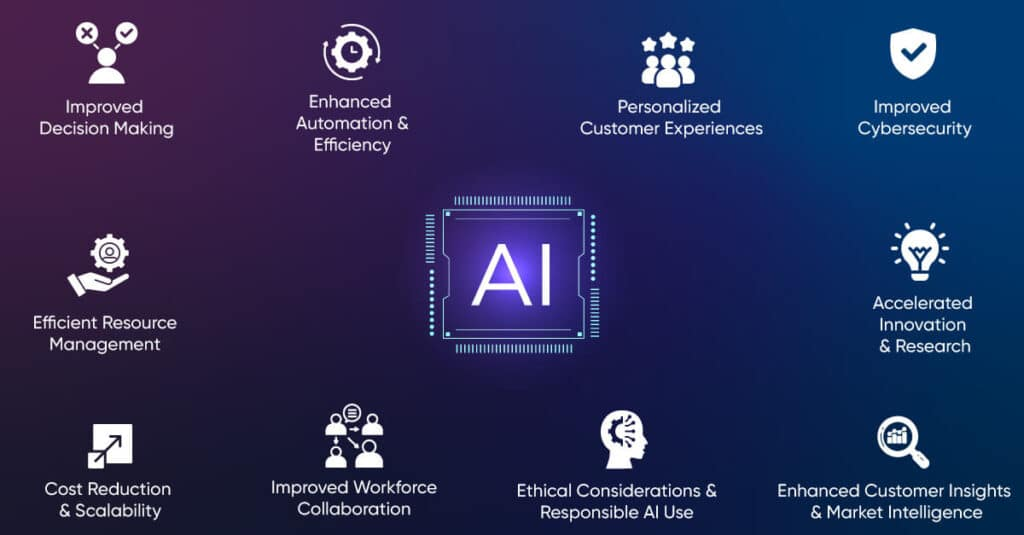
One of the biggest benefits is time savings. Tasks that previously required hours of manual effort can sometimes be completed much faster with the right workflow.
Another major advantage is consistency. Automated workflows can follow the same process every time, reducing mistakes caused by missed steps or manual data entry.
AI can also help users work with large amounts of information more efficiently. Instead of reading every document manually, users can use AI to summarize information and identify key points.
Perhaps most importantly, these technologies allow people to focus on higher-value activities such as strategy, creativity, communication, and decision-making.
Common Mistakes to Avoid
Using more AI tools does not automatically mean becoming more productive. One common mistake is signing up for too many platforms and creating unnecessary complexity.
Another mistake is trusting AI output without checking it. AI can produce inaccurate information, misunderstand context, or generate content that sounds convincing but is incorrect.
Privacy is another important consideration. Users should avoid entering confidential business information, sensitive customer data, passwords, or private documents into tools without understanding how that information is handled.
Finally, automation should be reviewed regularly. A workflow that works today may become inefficient as the business or process changes.
How to Choose the Right AI and Automation Tool
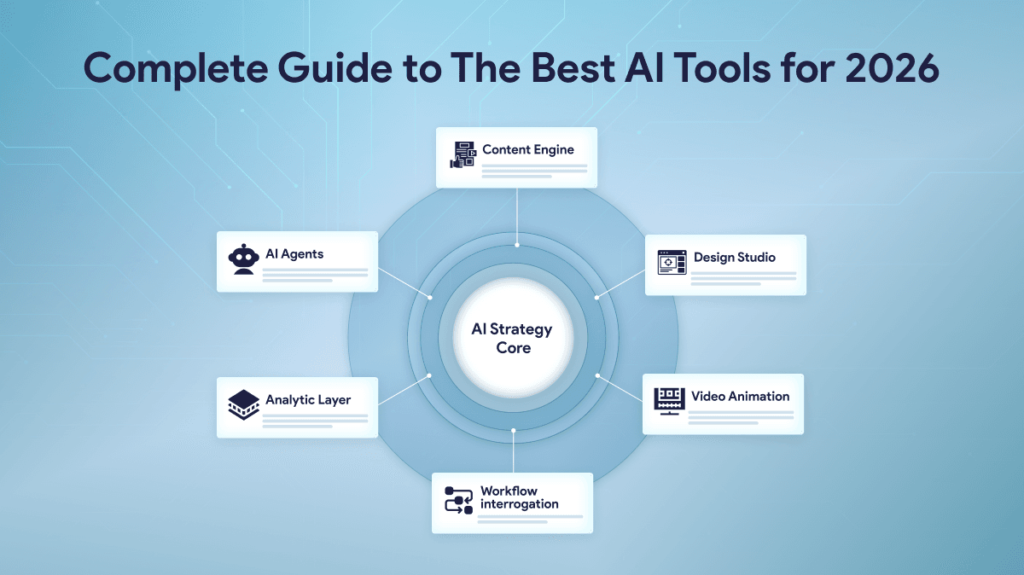
Choosing a tool should begin with the problem you want to solve. Instead of asking, “Which AI tool is the most popular?” ask, “What task is taking too much of my time?”
Consider whether the tool is easy to use, integrates with your existing software, offers the features you actually need, and provides appropriate security and privacy controls.
Cost is also important. Many tools offer free plans or trials, while advanced features may require subscriptions. Before paying for a platform, determine whether it will provide real value compared with the time or resources it saves.
It is also worth checking whether the tool can grow with your needs. A simple solution may be perfect for an individual, while a growing business may require team features, integrations, analytics, and stronger administrative controls.
The Future of AI and Automation
AI and automation will continue to become more integrated into everyday software. Instead of opening separate applications for every task, users will increasingly interact with systems that can understand context, connect information, and complete multiple steps.
AI agents are also becoming an important area of development. Rather than simply responding to a single prompt, more advanced systems can work through a series of tasks to achieve a larger goal.
However, the future will still require human involvement. Creativity, critical thinking, emotional intelligence, ethical judgment, and communication remain valuable skills that technology cannot completely replace.
People who learn how to work effectively with AI will likely have an advantage over those who treat it as either a complete replacement for human work or something to ignore completely.