Artificial intelligence and automation have officially AI Automation slipped past the point of being abstract, futuristic concepts reserved for multi-billion-dollar tech giants or high-concept sci-fi films. Without making much noise, they have quietly woven themselves into the delicate fabric of our daily routines. They are there when you open an email draft and see a perfectly predictive reply waiting for your approval, when a streaming platform magically knows the exact indie film you need to watch after a brutal workday, and when mundane business logistics move from one dashboard to another entirely on their own.
Yet, for anyone standing on the outside looking in, the entry barrier can feel incredibly cold and intimidating. The landscape is crowded with dense, robotic jargon, an overwhelming conveyor belt of new apps dropping every single hour, and a loud layer of marketing hype that makes it difficult to find a simple place to start.
The real truth is that AI automation is deeply intuitive once you strip away the tech-bro vocabulary. At its core, it is simply the practice of using smart software to handle the repetitive, mind-numbing tasks that normally drain your daily human energy. It is not about replacing human ingenuity; it is about building a digital scaffolding that protects your time, lowers your stress, and allows you to focus on the things that actually require an empathetic, creative mind.
Demystifying the Core: Automation vs. Intelligence

To comfortably step into this world, the human brain needs a simple mental model to separate the two forces at play.
Think of standard automation as a digital factory conveyor belt. It has been around for decades. It is incredibly reliable but completely rigid; it only knows how to move an object from Point A to Point B based on a strict set of predefined instructions.
Artificial intelligence, however, introduces a nervous system to that conveyor belt. Instead of just blindly moving data, it can read a block of messy text, recognize patterns, interpret emotional tone, and make a flexible, context-driven decision. When you pair them together, you get AI Automation—a setup where the automation does the heavy lifting and the AI does the nuanced thinking. It doesn’t just execute a task faster; it executes it with a level of digital comprehension.
The Human Benefit: Reclaiming Mental Bandwidth

The true value of adopting these tools has very little to do with raw corporate efficiency or maximizing bottom-line metrics. The real victory is entirely psychological: it is about reclaiming your mental bandwidth.
Every time you automate a repetitive micro-task, you remove a tiny friction point from your day. Over a month, those saved minutes compound into hours of clear, unhurried mental space. It reduces the distinct exhaustion of digital burnout and leaves you with the energy needed to do work that actually carries a human soul.
The Natural Rhythm of AI in Our Daily Ecosystem
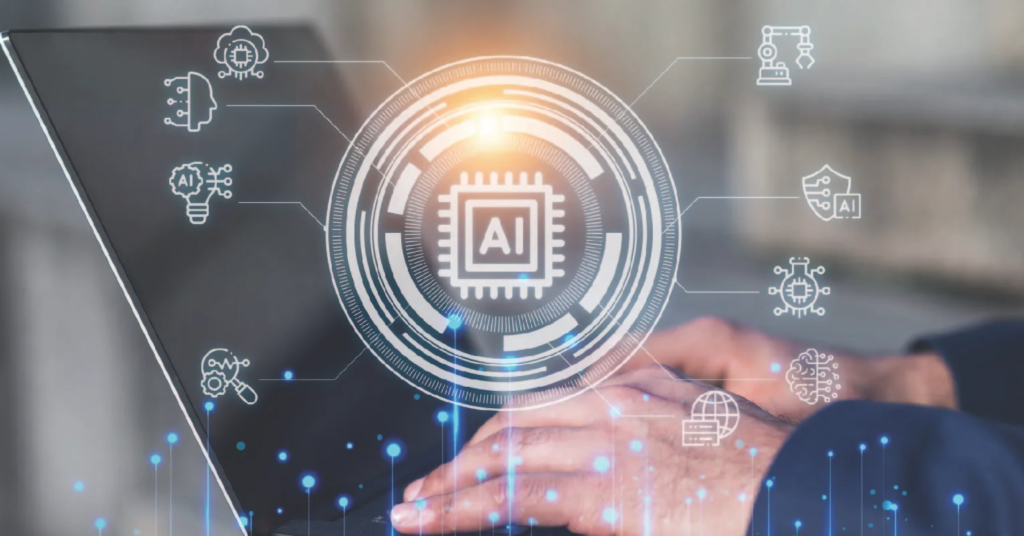
We often talk about AI as if it is a brand-new visitor, but if you look closely at your current lifestyle, you’ll realize you have already invited it in. It has seamlessly adapted to our natural human rhythms.
We don’t panic when our phones guess the next word we want to type during a hurried text message. We don’t view our streaming dashboards as cold robots when they suggest a comforting documentary on a rainy Sunday evening. We accept them because they act as seamless extensions of our intent.
In our professional and creative spaces, the ecosystem operates on the exact same logic. A writer using an AI tool to rapidly map out a complex article outline isn’t losing their voice; they are using a digital sounding board to break through the paralysis of the blank page. A small business owner using an automated system to sort client messages into urgent and non-urgent folders isn’t ignoring their community; they are ensuring that a human being in crisis gets a faster response.
The Beginner’s Roadmap: Starting Small and Rooted
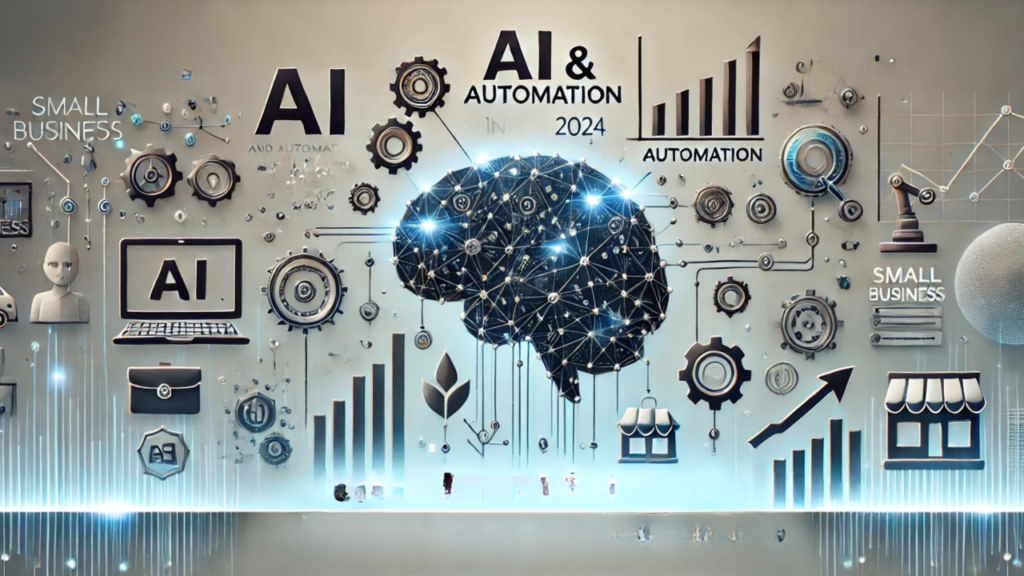
The absolute biggest mistake a beginner can make is trying to automate their entire life in a single weekend. It is the tech equivalent of buying every single piece of gear at an outdoor store before ever setting foot on a hiking trail—it leads to immediate confusion and abandonment.
Instead, look at your workflow like a garden. You don’t landscape the whole valley; you tend to one specific flowerbed that needs immediate care.
If you are a student drowning in research papers, don’t try to automate your essay writing. Instead, use an AI tool to generate quick, high-level summaries of dense PDFs so you can decide which ones are actually worth reading. If you are a freelancer spending hours chasing invoices, build a single automated email trigger that sends a polite reminder three days before a payment is due. Start small, see the immediate relief it brings to your nervous system, and let your confidence grow organically from there.
Bridging the Gap: Finding Tools That Fit Your Life

Choosing the right platform is not about finding the most advanced, cutting-edge software on the market. It is about finding a tool that feels like a natural extension of your current habits. A great beginner tool should feature a clear, intuitive interface that doesn’t require a single line of code.
| Creative / Content Tools | Workflow / Connection Tools | Personal Productivity Tools |
| Focus on brainstorming, drafting outlines, sorting messy thoughts, and overcoming creative blocks. | Focus on moving information between apps seamlessly without manual copying. | Focus on transcribing voice notes, managing calendars, and organizing reminders. |
| Best used as a collaborative companion to find your creative footing. | Best used to clear out the mechanical back-end administrative chore work. | Best used to keep your mental space calm, organized, and uncluttered. |
Navigating the Pitfalls with Human Discernment

As you begin to experiment with AI automation, it is crucial to maintain a healthy level of human skepticism. Artificial intelligence is an incredible assistant, but it is a terrible master. It lacks human empathy, historical context, and the deep, instinctual taste that makes your perspective unique.
- The Hallucination Trap: AI models are pattern matchers, not absolute truth-telling machines. They can occasionally invent facts or present awkward phrasing with complete confidence. Never let an automated system publish or send something important without passing it through your own critical eyes first.
- The Loss of Soul: If you automate every single point of communication in your life, your work will quickly start to feel sterile, cold, and entirely forgettable. The goal is to use automation to clear away the static so that when you do speak, your authentic human voice comes through loud and clear.
The Ultimate Truth: Technology in Service of Life

The digital divide has less to do with technical expertise and much more to do with an openness to learn. You only need to look at your daily routine, pinpoint the friction points that pull you away from your joy, and have the willingness to build a simpler, calmer path forward. Technology works best not when it tries to replicate the human experience, but when it clears the path for us to live it more fully.
Ultimately, the future of AI automation does not belong to elite coders or tech developers; it belongs to the ordinary people who are willing to curiously explore, adapt, and bring these tools into alignment with their actual lives.
FAQ’S
1. What is AI automation?
AI automation uses artificial intelligence to automate repetitive tasks and improve efficiency.
2. Do I need coding skills to use AI automation?
No, many AI automation tools are beginner-friendly and require no coding knowledge.
3. How can AI automation improve productivity?
It saves time by handling routine tasks, allowing you to focus on more important work.
4. What industries use AI automation?
AI automation is widely used in healthcare, finance, marketing, education, retail, manufacturing, and customer service.
5. Is AI automation suitable for small businesses?
Yes, AI automation helps small businesses streamline operations, reduce costs, and improve customer experiences.