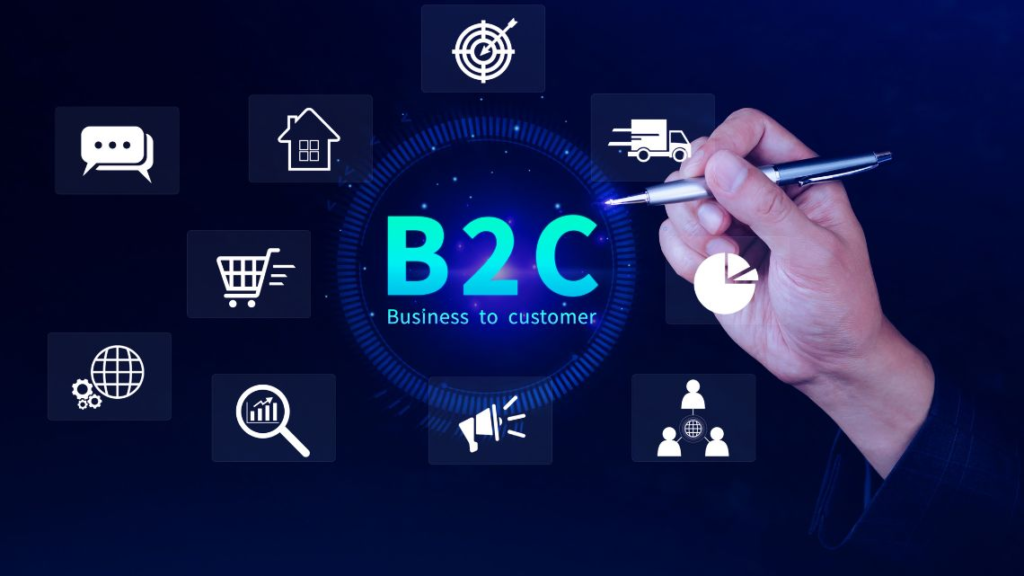
Business-to-Consumer (B2C) marketing is one of the most common and effective forms of marketing used by companies worldwide. Every time you shop online, purchase groceries, book a vacation, subscribe to a streaming service, or buy a smartphone, you’re experiencing B2C marketing in action. It focuses on promoting products or services directly to individual consumers rather than other businesses.
Today’s customers have countless choices, making it more important than ever for brands to stand out. Successful B2C marketing isn’t just about selling a product—it’s about creating memorable experiences, building trust, and developing long-term customer relationships. This guide explains everything you need to know about B2C marketing, from its core principles to the latest strategies that help businesses succeed in 2026.
What Is B2C Marketing?
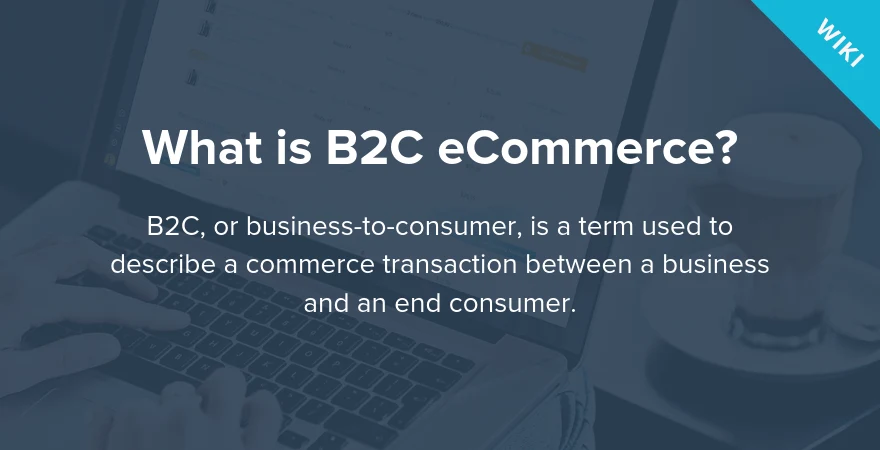
B2C (Business-to-Consumer) marketing refers to the strategies businesses use to promote and sell products or services directly to individual customers. Unlike B2B marketing, which targets other businesses, B2C marketing focuses on consumers who make personal purchasing decisions.
B2C campaigns often appeal to emotions, convenience, affordability, and lifestyle. The goal is to encourage customers to discover a product, make a purchase, and become loyal repeat buyers.
Why B2C Marketing Is Important
The modern marketplace is highly competitive, and consumers expect personalized experiences, fast service, and valuable content before making purchasing decisions. B2C marketing helps businesses connect with customers through multiple channels, including websites, search engines, social media, email, and mobile applications.
Effective B2C marketing increases brand awareness, attracts new customers, strengthens customer loyalty, and drives long-term business growth. It also helps companies better understand consumer preferences and adapt their products or services to meet changing demands.
How B2C Marketing Works
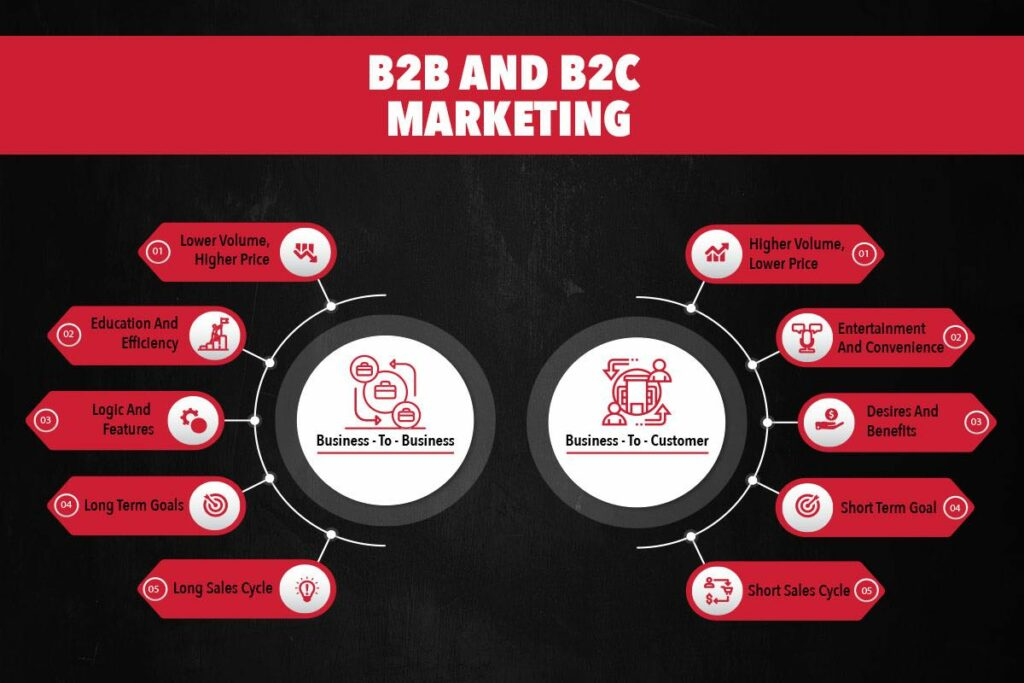
The B2C marketing process begins with understanding customer needs. Businesses research their target audience, identify buying behaviors, and create campaigns that solve specific problems or fulfill customer desires.
After attracting attention through advertising, content, or promotions, businesses guide potential customers toward making a purchase. Following the sale, companies continue building relationships through customer support, loyalty programs, and personalized communication to encourage repeat business.
Key Elements of a Successful B2C Marketing Strategy
A strong B2C marketing strategy combines creativity, data, and customer understanding. Businesses that consistently deliver valuable experiences are more likely to build lasting customer relationships.
Some essential components include:
- Understanding your target audience
- Building a recognizable brand
- Creating high-quality content
- Optimizing websites for conversions
- Using social media effectively
- Investing in search engine optimization (SEO)
- Running paid advertising campaigns
- Email marketing
- Customer reviews and testimonials
- Continuous performance analysis
Together, these elements help businesses attract, engage, and retain customers more effectively.
Understanding Your Target Audience

Every successful marketing campaign starts with knowing who your customers are. Businesses should understand demographics, interests, shopping habits, online behavior, and purchasing motivations.
Customer research allows companies to create personalized marketing messages that feel relevant and increase the chances of conversion.
Building a Strong Brand Identity
Your brand is more than a logo or color scheme—it’s how customers perceive your business. A strong brand communicates trust, quality, and consistency across every interaction.
Maintaining consistent messaging, visual design, and customer experience helps businesses establish credibility and remain memorable in competitive markets.
Content Marketing for B2C Businesses
Content marketing plays a major role in attracting and educating customers. Blog posts, videos, buying guides, tutorials, product reviews, and social media posts provide valuable information while building trust.
Instead of focusing only on selling, successful brands create content that answers customer questions and solves real problems. Helpful content encourages visitors to return and strengthens long-term relationships.
Social Media Marketing
Social media platforms allow businesses to engage directly with customers in real time. Sharing educational content, product updates, customer stories, and interactive posts helps increase visibility and strengthen brand loyalty.
Consistent engagement through comments, live sessions, polls, and short-form videos keeps audiences interested while encouraging conversations around your brand.
Search Engine Optimization (SEO)
SEO helps businesses appear in search engine results when customers are looking for products or information. Optimizing website content with relevant keywords, fast loading speeds, and high-quality articles increases organic traffic.
A strong SEO strategy reduces dependence on paid advertising while attracting visitors who are already interested in your products or services.
Email Marketing Builds Long-Term Relationships
Email remains one of the most effective B2C marketing channels. Businesses use newsletters, promotional offers, personalized recommendations, and abandoned cart reminders to stay connected with customers.
Well-crafted emails provide value rather than overwhelming subscribers with constant sales messages, leading to higher engagement and stronger customer loyalty.
Comparison Table
| Marketing Channel | Main Purpose | Benefits |
|---|---|---|
| SEO | Increase organic traffic | Long-term website visibility |
| Social Media | Customer engagement | Brand awareness and community building |
| Email Marketing | Customer retention | Personalized communication |
| Content Marketing | Educate customers | Build trust and authority |
| Paid Advertising | Immediate traffic | Faster lead generation |
| Influencer Marketing | Product promotion | Reach new audiences |
| Video Marketing | Product education | Higher engagement |
| Mobile Marketing | Reach smartphone users | Better customer accessibility |
Personalization Improves Customer Experience
Modern consumers expect personalized experiences. Businesses now use customer data to recommend products, send customized offers, and display relevant content based on browsing behavior.
Personalization increases customer satisfaction because people receive information that matches their interests instead of generic advertising.
The Role of Customer Reviews
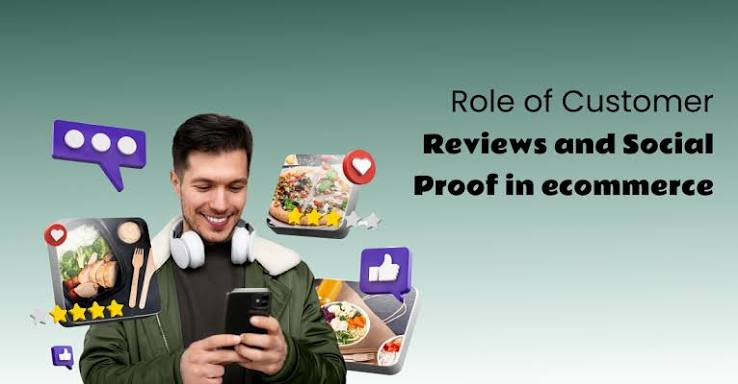
Customer reviews influence purchasing decisions more than traditional advertising. Positive reviews build trust, while honest feedback helps businesses improve their products and services.
Encouraging satisfied customers to leave reviews creates social proof that can increase conversion rates and strengthen brand reputation.
Common B2C Marketing Mistakes
Many businesses focus only on attracting new customers while neglecting existing ones. Others create marketing campaigns without understanding their audience or measuring performance.
Avoiding these mistakes requires continuous testing, customer feedback, and data analysis. Successful businesses regularly improve their marketing strategies based on real customer behavior.
Measuring Marketing Performance
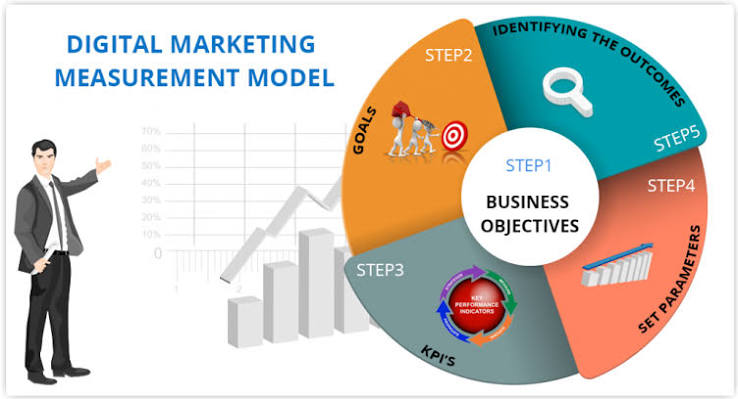
Tracking results helps businesses understand which strategies are working. Important metrics include website traffic, conversion rates, customer acquisition costs, email open rates, social media engagement, and customer retention.
Analyzing these metrics allows businesses to make informed decisions and improve future marketing campaigns.
Future Trends in B2C Marketing
B2C marketing continues to evolve with artificial intelligence, voice search, personalized shopping experiences, and automation. AI-powered recommendations, conversational chatbots, and predictive analytics are helping businesses deliver faster and more relevant customer experiences.
Brands are also investing more in short-form videos, interactive content, and mobile-first strategies to meet changing consumer expectations.
B2C Marketing Channels That Deliver the Best Results
Modern businesses have access to many marketing channels, but choosing the right ones depends on where your customers spend their time. A successful B2C strategy usually combines multiple channels to create a seamless customer experience. Search engines help people discover your business, while social media builds engagement and email marketing encourages repeat purchases.
Rather than relying on a single platform, businesses should create an integrated marketing strategy that connects websites, social media, paid advertising, and email campaigns. This approach increases visibility and helps customers interact with your brand at different stages of the buying journey.
Comparison of Popular B2C Marketing Channels
| Marketing Channel | Best For | Main Advantage | Ideal Business Type |
|---|---|---|---|
| Search Engine Optimization (SEO) | Long-term traffic | Higher organic visibility | Blogs, E-commerce, Service Businesses |
| Social Media Marketing | Brand awareness | Strong customer engagement | Fashion, Food, Beauty, Retail |
| Email Marketing | Customer retention | Personalized communication | Online Stores, Subscription Services |
| Content Marketing | Building trust | Improves authority and SEO | All Business Types |
| Pay-Per-Click (PPC) Advertising | Quick sales | Instant website traffic | E-commerce, Local Businesses |
| Influencer Marketing | Product promotion | Reaches targeted audiences | Beauty, Fitness, Lifestyle Brands |
| Video Marketing | Product demonstrations | High engagement rates | Technology, Education, Retail |
| SMS & Mobile Marketing | Promotions and updates | High open rates | Restaurants, Retail Stores |
Building Customer Trust Through Transparency
Trust is one of the biggest factors that influence purchasing decisions. Customers are more likely to buy from businesses that provide honest product descriptions, transparent pricing, and responsive customer support. Hidden charges, misleading advertisements, and exaggerated claims can damage a brand’s reputation and reduce customer loyalty.
Businesses should communicate clearly with customers, respond to questions promptly, and handle complaints professionally. Building trust takes time, but it often leads to repeat purchases and positive word-of-mouth recommendations.