
Artificial intelligence and automation have moved out of experimental computer science laboratories and into the mechanics of daily life. Across modern workplaces, classrooms, online stores, and customer service portals, these systems shape how information flows and how work gets done.
The primary conversation surrounding technology has evolved. It is no longer just a matter of asking what artificial intelligence can accomplish, but rather determining where automation makes practical sense, how to deploy software responsibly, and how human workers can collaborate effectively with increasingly capable digital tools. Navigating this shift requires understanding core mechanics, targeting practical applications, and selecting tools that solve genuine operational challenges.
Clarifying the Definitions: AI vs. Automation
While artificial intelligence and automation are frequently discussed as a single concept, they perform distinct roles within modern digital systems.
- Automation is designed to execute predefined, rule-based tasks with minimal manual intervention. It excels at predictable, repetitive processes—such as transferring records between spreadsheets, routing emails based on keyword triggers, or generating standard invoices.
- Artificial Intelligence mimics cognitive functions. Instead of following a rigid script, AI processes natural language, identifies complex data patterns, generates text or code, makes forecasts, and adapts to unstructured input.
When these technologies merge, they create systems capable of managing end-to-end processes. An automated trigger can ingest an incoming document, an AI model can parse and summarize its contents, and the system can then automatically execute the appropriate next step. This integration reduces routine administrative overhead, allowing people to focus on tasks requiring human judgment, strategic thinking, and personal communication.
Key Operational Shifts: Traditional vs. AI-Driven Workflows
To understand how software is changing daily routines, it helps to compare traditional manual methods with modern automated and AI-assisted processes across core functions.
| Work Function | Traditional Manual Process | Automated & AI-Assisted Process | Human Oversight Required |
|---|---|---|---|
| Customer Support | Staff manually answer repetitive inquiries via email or phone queues. | AI virtual assistants resolve basic inquiries instantly, routing complex issues to agents. | High-tier escalation management and empathy-driven resolution. |
| Software Engineering | Developers write every line of boilerplate code, test scripts, and documentation manually. | AI tools autocomplete code blocks, flag syntax errors, and generate initial unit tests inline. | Architectural planning, security auditing, and system logic validation. |
| Data Administration | Employees manually copy form submissions into databases and compile periodic reports. | Automated scripts capture form data, format records, and generate real-time analytics dashboards. | Data integrity auditing and strategic interpretation of trends. |
| Small Business Operations | Owners handle appointment booking, client reminders, and invoicing by hand. | Integrated systems schedule appointments, send automated reminders, and process recurring invoices. | Client relationship management and exceptional case handling. |
| Content & Communication | Writers and marketers draft emails, summaries, and campaign materials from scratch. | AI systems generate initial outlines, summarize lengthy background briefs, and reformat drafts. | Fact-checking, voice refinement, and final editorial approval. |
The Evolution Toward Integrated Tools and Autonomous Agents
Accessing artificial intelligence previously required opening a dedicated web interface to type prompts. Today, AI capabilities are built directly into standard productivity software. Word processors assist with editing inline, spreadsheets build formulas from plain-text instructions, and design applications automate image processing natively. Integrating directly into existing software makes the technology far easier to use.
The next technological frontier involves the transition from passive assistants to autonomous AI agents and multi-agent systems.
- A standard chatbot responds to individual queries one at a time.
- An AI agent is assigned a broader objective—such as “research market competitors and draft a summary report”—and breaks that task down into sequential steps. It can execute web searches, compile data, cross-reference sources, and organize output with minimal step-by-step guidance.
- Multi-agent architectures deploy several specialized agents working in tandem. One agent gathers raw data, another analyzes trends, and a third formats the final deliverable.
While promising, autonomous agents introduce practical challenges. When software takes multi-step actions independently, organizations must establish strict permissions, continuous monitoring, and clear boundary controls to prevent automated errors from compounding across a workflow.
Practical Applications Across Key Sectors
1. Software Development
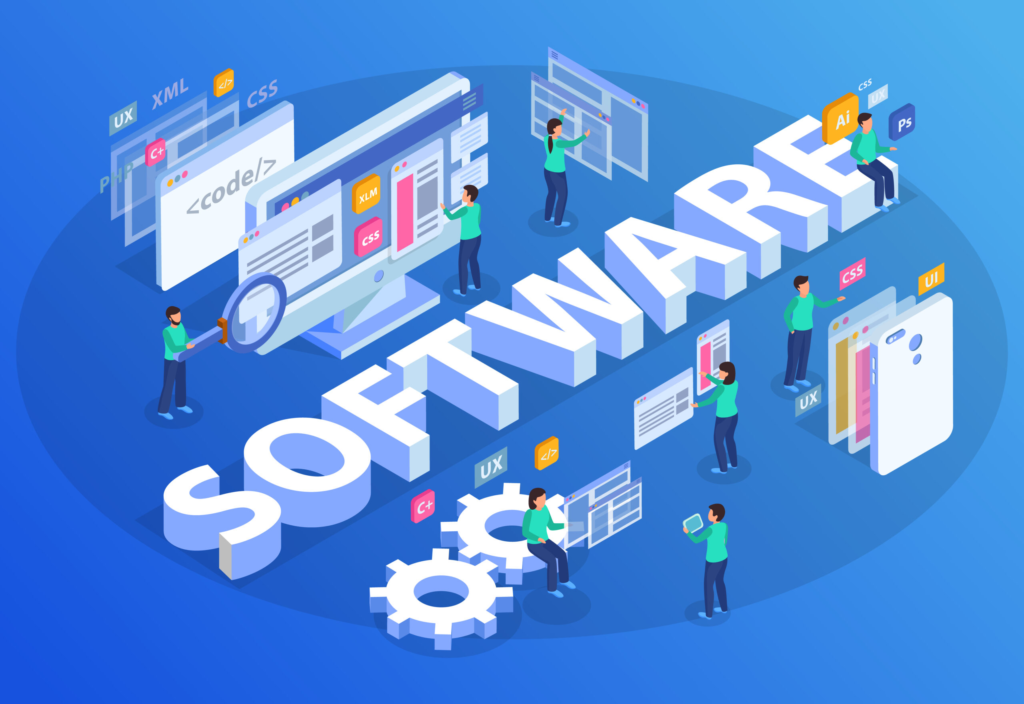
In software engineering, AI coding assistants act as digital co-pilots. They explain unfamiliar codebases, suggest optimal syntax, and automate routine boilerplate programming. This acceleration allows developers to ship software faster. However, writing code is only a fraction of software engineering. Human developers remain essential for system architecture, security verification, code quality maintenance, and ensuring software aligns with actual user needs.
2. Small Business Efficiency
For small businesses operating with lean teams, automation balances operational capabilities. Implementing simple automated workflows—such as digital appointment scheduling, automated client follow-ups, and streamlined inventory alerts—reclaims hours of administrative labor each week. The most effective approach for small teams is starting small: identify one clear bottleneck, automate it, verify its accuracy, and only then expand to other processes.
3. Educational Environments

AI presents both opportunities and challenges in education. Students can leverage interactive tools to break down complex subjects, generate practice quizzes, and explore concepts from multiple perspectives. Teachers use AI to organize lesson plans and generate customized learning materials. The critical boundary lies in ensuring technology serves as a tool for deeper comprehension rather than a shortcut to avoid genuine critical thinking and intellectual effort.
Critical Operational Challenges and Risks
Adopting digital tools without a clear strategy introduces operational friction and vulnerability. Managing these risks requires an awareness of common pitfalls:
- The Illusion of Absolute Accuracy: AI models operate on probability and pattern recognition rather than genuine understanding. They can confidently present incorrect facts or misinterpret nuance. Every critical output requires human verification.
- Automating Flawed Processes: Applying automation to an inefficient, chaotic process simply causes that process to fail faster. Workflows must be streamlined and audited manually before introducing automated execution.
- Over-tooling and Fatigue: Adding multiple standalone AI applications creates software bloat and fragmented data. Tools should be chosen based on clear utility rather than popularity.
- Data Privacy and Security: Entering sensitive customer records, proprietary code, or confidential strategic plans into external AI models poses major security risks. Organizations must establish strict data governance policies, clear access controls, and robust cyber defenses against AI-driven threats.
Essential Human Skills in an Automated Workplace
As software handles more routine cognitive and manual tasks, the value of uniquely human capabilities increases. Thriving in an automated workplace does not require everyone to become a software engineer; rather, it demands a strong set of foundational skills:
- Critical Thinking & Fact Verification: The ability to audit AI-generated content, spot logical flaws, evaluate source credibility, and identify incorrect outputs.
- Clear Communication & Prompt Framing: Framing precise instructions, context, and constraints so digital tools generate useful, targeted responses.
- Problem Framing: Determining what needs to be solved and evaluating whether a process should actually be automated in the first place.
- Emotional Intelligence & Ethical Judgment: Managing human relationships, conducting sensitive negotiations, leading teams, and evaluating the societal impact of technological decisions.
Strategic Adoption and Global Trends
The pace of technology adoption varies across industries and regions. In dynamic service sectors—such as India’s technology and business services industry—workplace AI integration has accelerated rapidly. Employees use these tools to streamline data processing, handle routine client queries, and speed up software delivery, enabling teams to move up the value chain.
However, organizational success depends less on the speed of adoption and more on strategic clarity. Simply granting employees access to new software rarely yields automatic productivity gains. Real progress requires rethinking how work is structured, establishing clear operational goals, and investing in user training.
Building a Measured Approach for the Future
Artificial intelligence and automation will continue to weave themselves into operating systems, workplace applications, educational frameworks, and business processes.
Success with these tools does not come from adopting every new application that enters the market. It stems from a measured approach: identifying routine operational friction, testing targeted software solutions on low-risk tasks, maintaining strict human oversight, and focusing on clear outcomes. Technology yields the best results when it assumes the burden of repetitive execution, clearing the way for human creativity, judgment, and strategic action.
FAQ’s
1. What are the major AI and automation trends in 2026?
Key trends include AI agents, workplace automation, AI assistants, intelligent workflows, generative AI, and AI-powered software.
2. How is AI changing everyday work?
AI can help with writing, research, data analysis, customer support, coding, and repetitive tasks, allowing people to focus on higher-value work.
3. What are AI agents?
AI agents are systems designed to handle multi-step tasks by planning actions, using connected tools, and working toward a specific goal.
4. Will AI and automation replace human workers?
Some tasks may become automated, but many jobs are likely to change rather than disappear completely. Human judgment, creativity, and communication remain important.
5. How can beginners start using AI?
Start with one simple task, such as writing, summarizing, research, or organizing information, and learn how to review AI-generated results carefully.