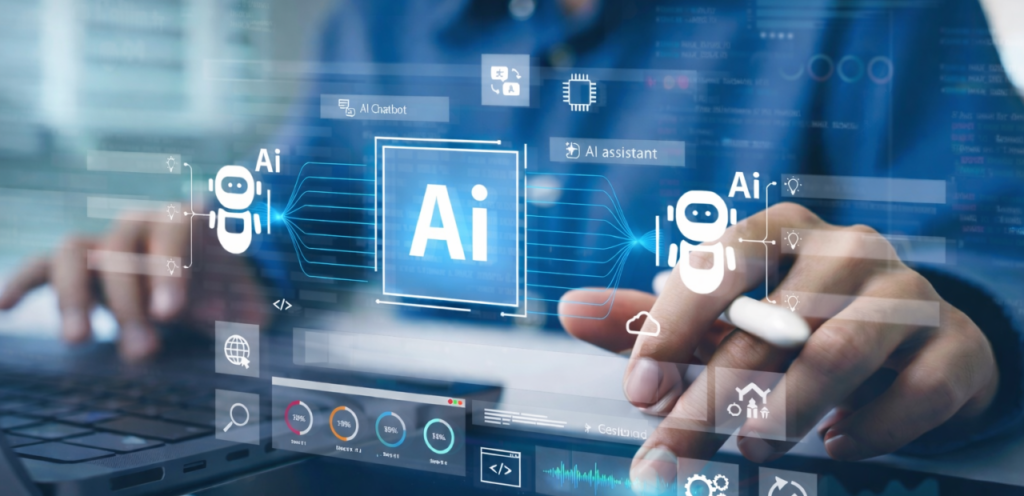
Artificial intelligence and automation are transforming the way businesses operate, compete, and grow. From small startups to large enterprises, companies are using AI-powered tools and automated systems to improve productivity, reduce costs, enhance customer experiences, and make smarter decisions. What was once considered advanced technology is now becoming an essential part of modern business strategy.
AI and automation technology can help businesses manage repetitive tasks, analyze large amounts of data, communicate with customers, improve marketing, and streamline daily operations. However, successful implementation requires more than simply adopting the latest tools. Businesses need to understand how these technologies work, where they can create the most value, and how to use them responsibly.
This ultimate guide explores the role of AI and automation technology in modern businesses, its key benefits, popular applications, challenges, and practical ways companies can use it to achieve long-term growth.
What Is AI and Automation Technology?
Artificial intelligence refers to computer systems that can perform tasks that traditionally require human intelligence. These tasks may include learning from data, recognizing patterns, understanding language, making predictions, and solving problems.
Automation involves using technology to complete tasks or processes with little or no manual intervention. Automation can be simple, such as sending an automatic email response, or more advanced, such as using AI to analyze customer behavior and recommend personalized products.
When AI and automation work together, businesses can create intelligent systems that not only perform repetitive tasks but also make decisions based on data. This combination is helping companies improve efficiency while allowing employees to focus on more creative, strategic, and valuable work.
Why AI and Automation Matter for Businesses

Modern businesses deal with large amounts of information, complex workflows, and increasing customer expectations. Manual processes can be slow, expensive, and vulnerable to human error. AI and automation help companies solve many of these challenges.
One of the biggest advantages is increased productivity. Automated systems can handle repetitive tasks continuously without requiring constant human involvement. This allows employees to spend more time on strategy, innovation, customer relationships, and problem-solving.
AI also helps businesses make better decisions. By analyzing large amounts of data, AI systems can identify trends, predict customer behavior, and provide useful insights. These insights can support better marketing campaigns, inventory planning, sales strategies, and financial decisions.
Another important benefit is scalability. Automated systems allow businesses to handle more customers and operations without increasing costs at the same rate. This is particularly valuable for growing companies that need to expand while maintaining efficiency.
Key Business Applications of AI and Automation
AI and automation can be used across nearly every area of a business. Here are some of the most common applications.
Customer Service

AI-powered chatbots and virtual assistants can answer common customer questions, provide product information, and offer support at any time of the day. This can reduce response times and improve the overall customer experience.
Automation can also help route customer inquiries to the right department, send follow-up messages, and manage support tickets. Human employees can then focus on more complex issues that require personal attention.
Marketing and Content Creation
Marketing is another area where AI and automation have become extremely useful. Businesses can use AI to analyze customer preferences, identify audience trends, and create more personalized campaigns.
Automated marketing systems can schedule social media posts, send email campaigns, segment audiences, and track campaign performance. AI tools can also assist with content ideas, research, editing, and optimization.
However, businesses should maintain human oversight when using AI for content creation. Original ideas, brand voice, accuracy, and quality remain important for building trust with audiences.
Sales and Lead Generation
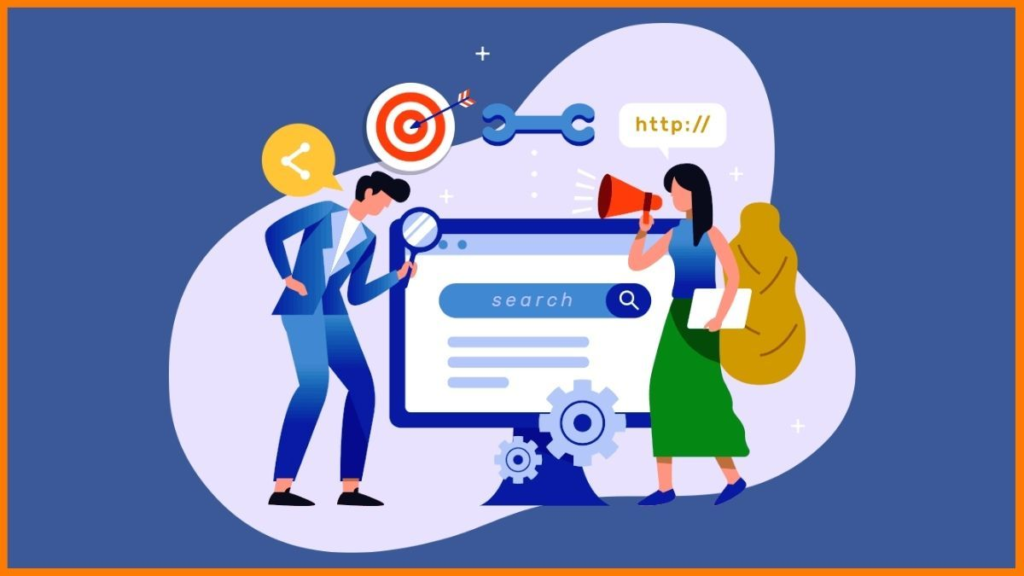
AI can help sales teams identify potential customers and determine which leads are most likely to convert. Automated systems can collect information, organize leads, and track communication throughout the sales process.
Businesses can also automate appointment scheduling, follow-up emails, and customer relationship management. This reduces administrative work and helps sales professionals focus on building relationships and closing deals.
Data Analysis and Business Intelligence
Businesses generate large amounts of data every day. AI can analyze this information much faster than traditional methods.
Companies can use AI to identify trends, forecast demand, monitor performance, and discover potential problems. For example, a retailer may use AI to predict which products will be popular, while a financial company may use automated systems to identify unusual transactions.
Data-driven insights allow business leaders to make decisions based on evidence rather than guesswork.
Human Resources
AI and automation can simplify many HR tasks, including recruitment, employee onboarding, scheduling, and internal communication.
Automated systems can help organize applications, schedule interviews, send onboarding documents, and manage employee information. AI can also help identify workforce trends and improve employee engagement strategies.
Businesses should be careful when using AI in hiring and employee decisions. Human review is important to reduce bias and ensure fair treatment.
Finance and Accounting

Automation can make financial operations faster and more accurate. Businesses can automate invoice processing, expense tracking, payroll management, and financial reporting.
AI can also help detect unusual transactions, identify potential fraud, and provide financial forecasts. These capabilities can help companies improve financial control and reduce administrative workloads.
Benefits of AI and Automation Technology
The benefits of AI and automation extend beyond simple time savings.
Improved efficiency: Automated systems can complete repetitive tasks quickly and consistently.
Lower operating costs: Businesses can reduce the time and resources required for manual processes.
Better accuracy: Automation can reduce errors in data entry, calculations, and repetitive workflows.
Faster decision-making: AI can quickly analyze data and provide useful insights.
Improved customer experiences: Personalized recommendations, faster support, and timely communication can increase customer satisfaction.
Greater productivity: Employees can focus on higher-value tasks instead of repetitive administrative work.
Business scalability: Automated processes can help businesses grow without creating unnecessary operational complexity.
How Businesses Can Start Using AI and Automation

Businesses do not need to automate everything at once. A gradual approach is often more effective.
The first step is to identify repetitive or time-consuming tasks. Look for processes that require frequent manual work, such as data entry, email follow-ups, scheduling, reporting, or customer inquiries.
Next, businesses should determine which processes would benefit most from automation. Not every task needs AI. Simple automation may be enough for certain workflows, while more complex tasks may benefit from AI-powered systems.
It is also important to set clear goals. A company may want to reduce response times, improve productivity, lower costs, or increase sales. Clear objectives make it easier to measure whether a technology investment is successful.
Businesses should then choose tools that fit their needs, budget, existing systems, and technical capabilities. The best solution is not always the most advanced one. A simple, reliable tool that solves a real business problem can often provide more value than a complex system that is difficult to use.
The Importance of Human Skills
Although AI and automation are powerful, they do not eliminate the importance of people. Human creativity, emotional intelligence, leadership, communication, and critical thinking remain essential.
The most successful businesses use AI to support employees rather than simply replace them. Technology can handle repetitive tasks, while people focus on decisions, relationships, innovation, and strategy.
Employees may also need training to work effectively with new AI systems. Businesses that invest in digital skills and continuous learning are more likely to successfully adopt new technology.
Challenges and Risks

AI and automation offer many benefits, but businesses must also consider potential challenges.
Data privacy is a major concern. Companies need to understand how data is collected, stored, and used. Sensitive customer and business information should be protected with appropriate security measures.
AI systems can also produce inaccurate or biased results. Businesses should monitor AI outputs and maintain human oversight, especially when decisions affect customers, employees, finances, or legal matters.
Another challenge is implementation. Introducing new technology may require changes to existing processes and employee training. Poor planning can create confusion and reduce productivity.
Businesses should also avoid adopting technology simply because it is popular. Every AI or automation investment should have a clear purpose and measurable business value.
The Future of AI and Automation in Business
The future of business technology will likely involve even greater integration between AI, automation, cloud computing, data analytics, and digital platforms.
AI systems are expected to become more capable of assisting with complex business tasks. Automated workflows may connect different departments, allowing information to move more efficiently throughout an organization.
Businesses will also focus increasingly on personalization. AI can help companies understand individual customer needs and provide more relevant products, services, and communication.
At the same time, responsible technology use will become increasingly important. Companies will need to focus on transparency, security, data protection, and ethical decision-making.
Final Thoughts
AI and automation technology are changing the way businesses work. From customer service and marketing to finance, sales, HR, and data analysis, these technologies can improve efficiency and create new opportunities for growth.
The key to success is not using AI simply because it is popular. Businesses should identify real problems, choose suitable solutions, train their teams, and regularly evaluate results.
When implemented thoughtfully, AI and automation can help businesses save time, reduce costs, improve decision-making, and deliver better experiences to customers. The companies that learn how to combine advanced technology with human creativity and strategic thinking will be best positioned for long-term success in the digital economy.
FAQ’s
1. What is AI and automation technology?
AI uses intelligent systems to analyze data and make decisions, while automation completes tasks with minimal human effort.
2. How can AI help businesses?
AI can improve productivity, customer service, marketing, data analysis, sales, and business decision-making.
3. What business tasks can be automated?
Common tasks include email marketing, data entry, scheduling, customer support, reporting, invoicing, and workflow management.
4. Is AI and automation suitable for small businesses?
Yes. Small businesses can use affordable AI and automation tools to save time, reduce costs, and improve efficiency.
5. What is the future of AI in business?
AI will continue helping businesses automate complex tasks, personalize customer experiences, analyze data, and support smarter growth.