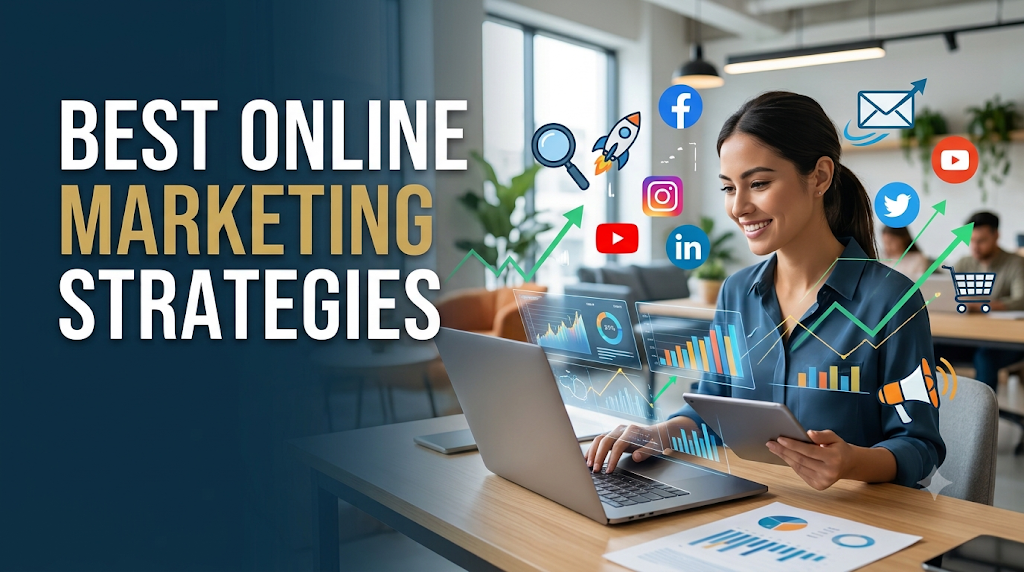
When I first started trying to promote my small creative project online a few years ago, I felt completely lost. Everywhere I clicked, self-proclaimed “marketing gurus” were screaming contradictory advice. One video told me I had to post three short-form reels every single day or my account would die. Another blog insisted that without spending thousands of rupees on paid ads right out of the gate, nobody would ever find my website.
Naturally, I tried doing everything at once—and burned myself out in three weeks flat. I spent hours designing fancy graphics nobody liked, wrote stiff, corporate-sounding captions that got zero comments, and wasted money boosting posts to random audiences who had zero interest in what I was offering.
Looking back from November 2026, I realize why my early efforts flopped so badly: I was trying to copy giant brands with massive budgets instead of acting like a real human being talking to other human beings.
Online marketing right now has shifted dramatically away from loud, robotic sales pitches and spammy clickbait. Search engines, social feeds, and everyday buyers have gotten way smarter—people immediately scroll past anything that feels overly polished, salesy, or mass-produced. What actually works for beginners today is honest storytelling, helpful content, and building genuine trust one small step at a time.
If you are starting from scratch—whether you are launching a small home business, growing a personal blog, or offering freelance services—here are the exact online marketing strategies that finally worked for me, written from real trial and error.
1. Stop Trying to Be Everywhere: Pick One “Home Base” and One Social Channel
The biggest rookie Marketing mistake I made was opening accounts on five different platforms on Day 1. Trying to manage a website, Instagram, YouTube, LinkedIn, and Pinterest all by myself meant every single platform got rushed, half-baked content.
Everything changed when I stripped my strategy down to a simple “1 + 1” setup:
- One Owned Home Base: Social media algorithms change every few months—a platform that brings you thousands of views today can quietly cut your reach in half tomorrow. Having a simple website, blog, or email newsletter gives you a space you actually own.
- One Social Discovery Channel: Instead of spreading yourself thin, pick one platform that matches your natural strengths. If you love writing and clear visuals, start with Instagram or LinkedIn. If you prefer talking and explaining things step by step, focus on YouTube or short-form video. Master one room before trying to shout in five.
2. Answer Real Questions Instead of Shouting “Buy My Stuff!”
Early on, almost every post I published was some version of “Look at what I made, please check it out!” Unsurprisingly, people scrolled right past. Nobody opens their phone in the morning hoping to see another advertisement.
My breakthrough happened the day I stopped pitching and started answering the exact questions beginners were typing into Google and social search bars.
How I Find Topics That Actually Get Read
- Listen to Everyday Conversations: Every time a friend, client, or comment asks me “How did you fix X?” or “Which tool do you use for Y?”, I write that exact question down in my phone’s notes app. If one person asks it out loud, hundreds of others are searching for it silently.
- Use Search Autocomplete: Type your main topic into Google or YouTube and look at the suggested phrases that pop up automatically. Those suggestions aren’t random—they are the exact words real people are searching for right now.
- Share Mistakes Alongside Wins: In 2026, audiences are exhausted by fake perfection. When I wrote a post openly admitting the three costly mistakes I made during my first month—and how someone else could avoid them—that single honest piece brought in more genuine messages than ten polished promotional posts combined.
3. Search Engine Optimization (SEO) Without the Complicated Jargon
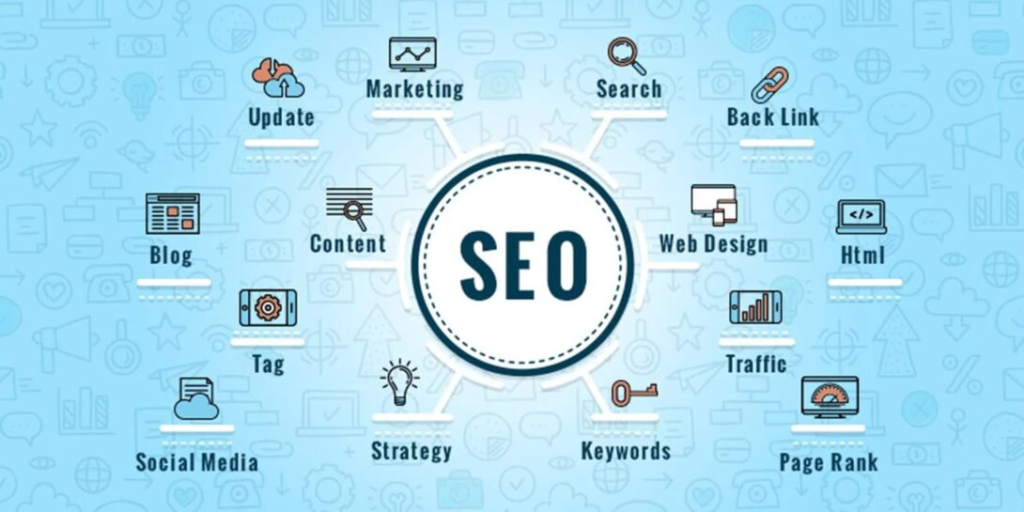
For the longest time, the word SEO terrified me. It sounded like a dark art full of technical code, backlink spreadsheets, and keyword stuffing.
Then I realized that modern search optimization—especially with how conversational search and AI summaries work today—comes down to something remarkably simple: writing the clearest, most helpful answer on the internet for a specific topic.
| Old Outdated SEO Habits | What Actually Works in 2026 |
| Repeating the exact same awkward keyword 25 times in one article | Writing naturally the way a knowledgeable friend explains things |
| Writing vague 400-word fluff pieces just to publish daily | Publishing thorough, well-structured guides with real examples |
| Ignoring mobile formatting and stuffing giant walls of text | Using clear subheadings, short paragraphs, and bullet points |
| Chasing broad, impossible terms like “best shoes” | Focusing on specific “long-tail” searches like “best walking shoes for flat feet under ₹3,000” |
My Simple Pre-Publish SEO Checklist
Before I hit publish on any blog post or article, I check four basic things:
- Does my title clearly promise what the reader will learn? Skip clever, mysterious titles that confuse people. Clarity always beats cleverness.
- Did I answer the main question right near the top? Don’t make readers scroll through five paragraphs of life history before getting to the point.
- Are my subheadings scannable? Most people skim on their phones first. Clear
H2andH3headings help readers jump straight to the section they need. - Did I include original photos or simple diagrams? Real screenshots, personal photos, and clean visual breakdowns keep people reading twice as long—and search engines notice when visitors actually stay on your page.
4. Short-Form Video That Feels Like a Facetime Call, Not a Commercial
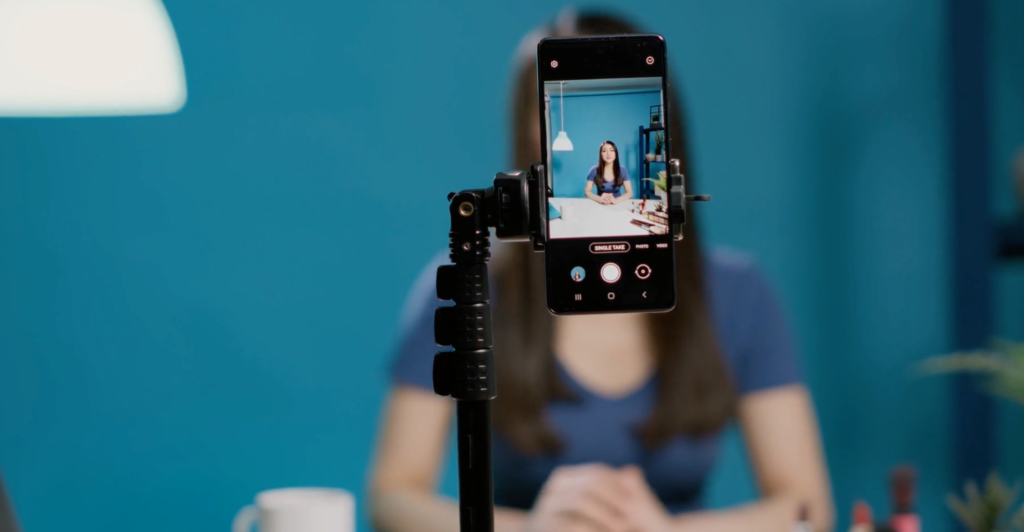
I put off making video content for almost two years because I didn’t own a studio ring light, a fancy microphone, or video editing software for online Marketing. I thought I needed a whole production crew just to post a 45-second clip.
When I finally recorded a raw, 30-second video sitting near a sunlit window using just my phone’s front camera—explaining one quick tip I had just learned that morning—it outperformed every carefully designed graphic I had made all month.
       [ Hook: State the relatable problem in the first 3 seconds ]
                                   │
                                   ▼
       [ Value: Show 1 practical tip or behind-the-scenes step ]
                                   │
                                   ▼
       [ Connection: Ask a simple question to spark comments ]
What Makes Beginner Video Work Today in Marketing
- Natural Window Light Beats Expensive Gear: Face a window during the day, wipe your phone lens with your shirt sleeve, and speak clearly. Viewers today actually trust raw, authentic phone videos more than glossy studio commercials.
- Show Your Process, Not Just the Final Result: People love watching how things come together. Whether you are packing an order, sketching a design, testing a recipe, or organizing your workspace, filming 10-second behind-the-scenes clips builds effortless connection.
- Always Add On-Screen Captions: Nearly half of all people watch social videos on mute while commuting, waiting in line, or lying in bed at night. Clean, readable captions ensure your message lands even without sound.
5. Building an Email List from Day One for Marketing
If I could go back in time and give my beginner self just one piece of advice, it would be this: start collecting email addresses immediately.
For my first year, I ignored email marketing because I thought newsletters were old-fashioned or only meant for big e-commerce stores. Meanwhile, I had 2,000 followers on social media—and whenever I posted a link, maybe 40 people actually saw it because the algorithm buried external links.
When I finally started a simple weekly email newsletter, I felt awkward sending my first issue to literally 14 people (three of whom were family members). Yet those 14 subscribers replied to my emails, shared my links with friends, and became my earliest loyal supporters.
How to Grow Your First Marketing 100 Subscribers Naturally
- Offer a Useful Freebie (Lead Magnet): Give people a genuine reason to join your list. It doesn’t need to be a 50-page e-book—a one-page printable checklist, a beginner’s budget template, a curated resource list, or a 5-day mini email course works wonderfully.
- Write Like You’re Emailing One Friend: Avoid stiff corporate announcements starting with “Dear Valued Subscriber.” Write in plain, warm language, share one personal story or lesson from your week, and include one helpful link.
6. Micro-Collaborations and Community Engagement for Online Marketing
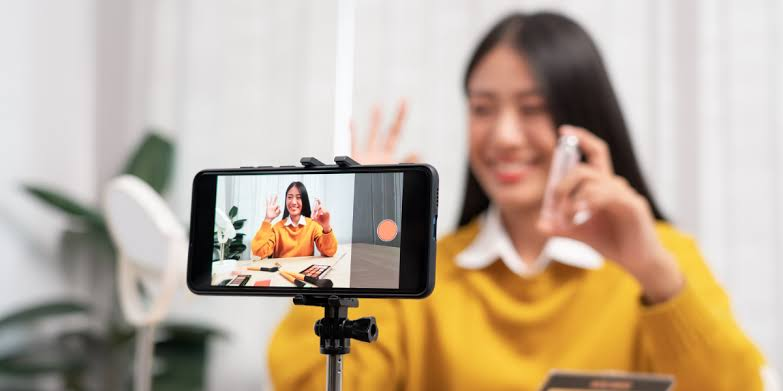

When you have zero advertising budget, other people’s audiences are your fastest path to growth—and you don’t need celebrity influencers to make collaborations work.
In fact, partnering with fellow beginners at your exact same stage is often far more effective. When I started leaving thoughtful, genuine comments on posts by creators in my niche—not spammy “Check out my profile!” comments, but real reflections adding to their point—people naturally clicked over to see who I was.
- Think Complementary, Not Competing: If you sell handmade skincare, team up with a local yoga instructor or wellness blogger. If you teach beginner photography, collaborate with a travel writer. You share overlapping audiences without competing directly.
- Be Consistently Helpful in Niche Communities: Whether it is Reddit threads, Facebook groups, LinkedIn discussions, or local WhatsApp communities, becoming the person who reliably gives honest, no-strings-attached answers builds a reputation no paid ad can buy.
7. Testing Small Paid Ads Only After Something Works Organically
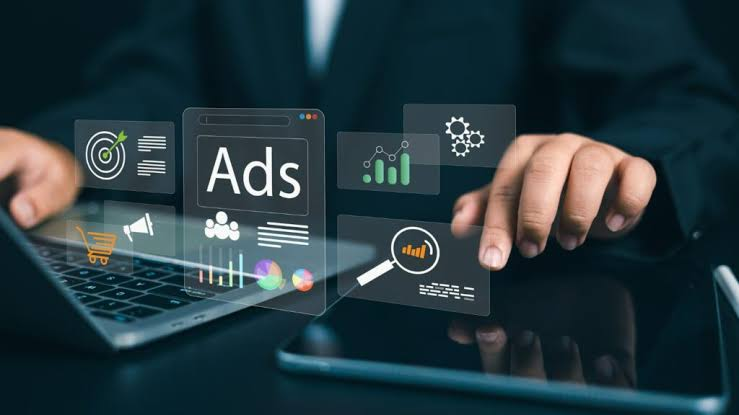
Many Marketing beginners waste money running paid ads on posts that haven’t even proven themselves yet. If a post gets zero engagement when shown to 200 people for free, paying ₹2,000 to show it to 10,000 people won’t magically make it work—it just burns cash faster.
My rule now is simple: let organic content be your testing lab. Post your tips, stories, and guides naturally for a few weeks.
Once you notice one specific post or short video getting way more saves, shares, or profile visits than usual, that is the proven winner worth putting a small daily budget behind to reach new people in your target city or interest group.
8. Tracking Only the Three Numbers That Truly Matter for Marketing
Early on, I drove myself crazy refreshing analytics dashboards every hour, obsessing over follower counts and post likes. Eventually, I learned that “likes” don’t pay bills—they are vanity metrics.
Now, I spend just 15 minutes every Sunday morning checking three simple numbers:
- Saves and Shares: Did people find my content useful enough to bookmark for later or send to a friend?
- Website or Link Clicks: Are people curious enough to take the next step and visit my home base?
- Replies, DMs, and Email Sign-Ups: Are real humans starting conversations with me?
If those three numbers are slowly creeping upward month over month, your marketing is working—even if you don’t have tens of thousands of followers.
FAQ’s
1. What is online marketing?
Online marketing is the process of promoting a business, product, or service through digital channels such as websites, search engines, social media, and email.
2. Which online marketing strategy is best for beginners?
SEO, social media marketing, content marketing, and email marketing are good starting points because they can be learned gradually and used with a small budget.
3. Do beginners need a large budget for online marketing?
No. Beginners can start with free or low-cost methods such as organic social media posts, blogging, SEO, and email marketing before investing in paid advertising.
4. How long does online marketing take to show results?
It depends on the strategy. Paid ads can bring faster results, while SEO and content marketing usually require more time and consistent effort.
5. How can beginners improve their online marketing results?
Set clear goals, understand your target audience, create useful content, track performance, and focus on the channels that bring the best results.