
Blogging has changed significantly over the years. What once started as a simple way to share personal thoughts and experiences has become an important part of digital marketing, brand building, and online business growth. Today, a successful blog is not just about publishing articles regularly. It is about understanding readers, creating useful content, building trust, and making sure the right people can discover your work.
In 2026, bloggers have more opportunities than ever before. Search engines continue to evolve, artificial intelligence is changing how people discover information, and social media platforms are creating new ways to reach audiences. At the same time, competition is growing. Publishing more articles does not automatically mean getting more visitors or building a loyal readership.
This is where a strong content strategy makes a difference.
A well-planned strategy helps bloggers decide what to write, who they are writing for, which platforms to use, and how to measure results. It also prevents the common problem of publishing random articles without a clear direction.
Whether you are starting your first blog, managing an established website, or creating content for a business, this guide explains how to develop a practical content strategy in 2026.
What Is a Content Strategy?
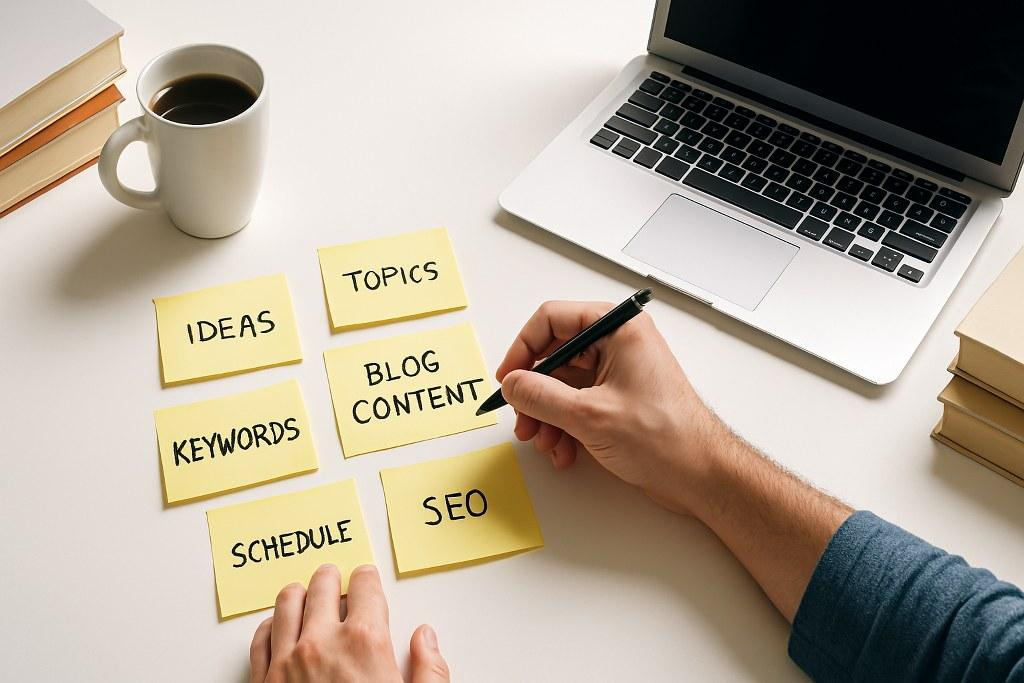
A content strategy is a planned approach to creating, publishing, managing, and improving content to achieve specific goals. It provides direction to your blogging activities and helps ensure that every article serves a useful purpose.
For example, imagine you run a blog about healthy living. Instead of publishing unrelated articles about exercise, skincare, recipes, and travel without any structure, you can organise your content around clear topics such as:
- Healthy eating and nutrition
- Fitness and exercise
- Mental wellness
- Healthy lifestyle habits
- Everyday wellness tips
This approach makes your website easier to navigate and helps readers find related information.
A content strategy also considers the type of audience you want to attract, the questions they are asking, the keywords they use, and the information they expect from your website.
In simple terms, it gives your blog a clear purpose rather than leaving content creation to guesswork.
Why Do Bloggers Need a Content Strategy in 2026?
Social Media & Real Estate Marketing: How to Sell Properties Faster
Blogging in 2026 requires more than writing interesting articles. Readers have access to countless websites, social media posts, videos, and AI-powered answers. They expect information that is accurate, easy to understand, relevant, and worth their time.
A content strategy helps you meet these expectations.
Builds a Clear Blogging Direction
Without a plan, it is easy to jump between unrelated subjects. A content strategy helps you choose the topics that match your niche and long-term goals.
It also makes it easier to decide which articles should be published first and which subjects deserve more attention.
Helps Attract the Right Audience
Getting website traffic is useful, but attracting people who are genuinely interested in your content is even more valuable.
For example, a blog about personal finance should focus on readers looking for budgeting advice, savings tips, credit information, and responsible financial guidance.
Relevant content attracts an audience that is more likely to return.
Improves Search Engine Visibility
Search engine optimisation remains an important part of blogging. A planned content strategy helps you organise keywords, create related articles, improve internal linking, and cover topics in greater depth.
However, keywords should fit naturally into the content. Articles should answer real questions instead of repeating search terms unnecessarily.
Saves Time and Reduces Repetitive Work
Planning content in advance makes blogging more manageable. You can research several topics together, prepare outlines, organise images, and schedule publication dates.
This reduces last-minute pressure and gives you more time to improve article quality.
Builds Reader Trust
Readers are more likely to trust a blog that consistently publishes helpful, well-researched information.
When articles provide clear explanations, practical examples, and transparent sources, the website becomes a more dependable place to find information.
Supports Long-Term Growth
A good article can continue attracting visitors long after its publication date. By regularly updating useful content and building connections between related articles, bloggers can create a website that becomes more valuable over time.
10 Essential Steps to Build a Successful Content Strategy in 2026

Creating a content strategy does not have to be complicated. You do not need an expensive marketing team or a collection of advanced tools to get started. What you need is a clear plan, an understanding of your readers, and a consistent approach.
Here are ten practical steps to help you build a strategy that works.
Define Your Blogging Goals
Before writing your next article, think about what you want your blog to achieve.
Some bloggers want to increase website traffic, while others focus on building brand awareness, generating leads, promoting products, or earning income through advertising and affiliate marketing.
Your goals will influence the type of content you create.
For example:
- Increase organic traffic: Publish useful, search-focused articles.
- Build brand awareness: Share original ideas, experiences, and industry insights.
- Generate leads: Create practical guides, downloadable resources, and educational content.
- Grow an audience: Publish content that encourages readers to return and engage.
- Promote products: Write informative product comparisons, reviews, and buying guides.
Try to set realistic goals that you can measure. Instead of simply saying you want more visitors, decide how much you want to improve your monthly organic traffic over a particular period.
Understand Your Target Audience
One of the biggest mistakes bloggers make is writing without considering who will read their articles.
A topic might seem interesting to you, but that does not necessarily mean it answers your audience’s questions.
Start by understanding your readers’ interests, challenges, expectations, and search behaviour.
Ask yourself:
- Who is most likely to read my blog?
- What problems are they trying to solve?
- What information do they search for online?
- Are they beginners or experienced readers?
- What type of content would make them return?
For instance, a technology blog targeting beginners should explain technical concepts in simple language. A professional marketing blog can explore more advanced subjects, including analytics, campaign planning, and customer acquisition.
The more clearly you understand your audience, the easier it becomes to create relevant content.
Choose the Right Content Niche
Your niche gives your blog its identity. It tells readers what they can expect when they visit your website.
Some popular blogging niches in 2026 include:
Top Tools Every Blogger Should Use in 2026
| Blogging niche | Potential content topics |
|---|---|
| Technology | AI tools, smartphones, software, cybersecurity |
| Finance | Budgeting, saving, credit cards, loans |
| Health and Wellness | Nutrition, fitness, healthy habits |
| Travel | Destinations, travel guides, accommodation |
| Fashion | Styling tips, seasonal trends, shopping guides |
| Education | Online courses, career skills, study tips |
| Lifestyle | Home improvement, relationships, everyday living |
You do not have to cover everything within a niche. In fact, starting with a focused subject can help you develop a recognisable identity.
Once your blog has a clear direction, you can gradually introduce related topics that interest your readers.
Research Topics and Keywords
Topic research helps you understand what people want to read. Keyword research helps you discover the words and phrases they use when searching for information.
For example, if your blog focuses on content marketing, potential search terms might include:
- Content marketing strategy
- Blogging tips for beginners
- How to create a content calendar
- SEO-friendly blog writing
- Content planning tools
- Digital storytelling techniques
Do not choose topics simply because a keyword has a high search volume. Consider whether the topic is relevant to your audience and whether you can provide a genuinely useful answer.
Some helpful keyword and research tools include:
- Google Trends – Explore changing search interest and seasonal topics.
- Google Keyword Planner – Research keyword ideas and search advertising data.
- Ahrefs – Explore keyword opportunities and competitor content.
- Semrush – Research search terms, competitors, and content opportunities.
- AnswerThePublic – Discover questions and related search ideas.
A useful approach is to combine broad topics with specific questions. This gives you opportunities to create both detailed guides and focused articles.
Create a Content Calendar
A content calendar helps you organise what to publish and when to publish it.
Without a calendar, bloggers often struggle to maintain consistency. They may publish several articles in one week and then go quiet for the next few weeks.
A simple monthly calendar can solve this problem.
Here is an example:
| Week | Content topic | Content format |
|---|---|---|
| Week 1 | Blogging basics | Beginner’s guide |
| Week 2 | SEO writing tips | How-to article |
| Week 3 | Content marketing trends | Informative blog |
| Week 4 | Content planning tools | Tools comparison |
Your calendar can also include article titles, target keywords, assigned writers, image requirements, editing deadlines, and publication dates.
Remember that consistency does not mean publishing every day. It means following a realistic schedule and maintaining the quality of your work.
Write Helpful and Engaging Blog Content
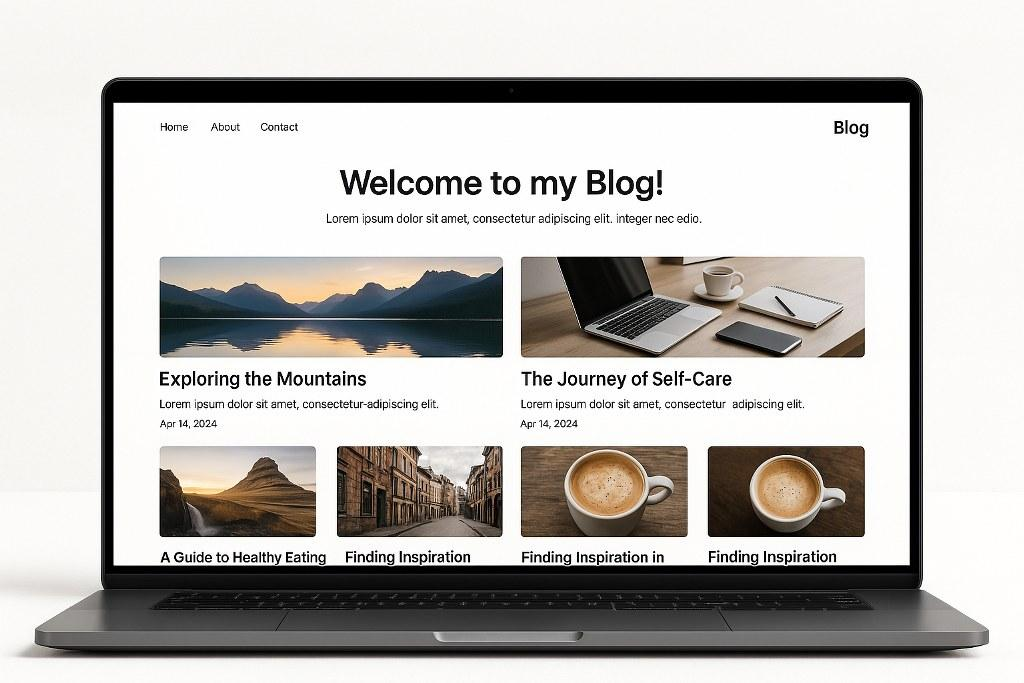


Blog – Sharp Digital | Web Development & Digital Marketing Insights
Good content gives readers a reason to stay on your website. It should answer their questions, explain important details, and provide information they can actually use.
A strong blog article generally includes:
- An interesting and relevant title.
- An introduction that explains what readers will learn.
- Clear headings and organised sections.
- Useful examples and practical suggestions.
- Reliable information and supporting sources.
- A conclusion that brings the main points together.
Avoid unnecessary repetition and complicated language. If a subject is technical, explain it with simple examples.
For instance, rather than simply stating that a content calendar improves productivity, explain how planning four articles in advance can help a blogger manage research, writing, editing, and publishing more effectively.
That small difference makes an article more practical.
Use Storytelling to Make Content Memorable
Information is important, but the way you present it can influence how readers connect with your blog.
Storytelling makes content more relatable by introducing real-life situations, personal experiences, examples, and relatable challenges.
Imagine writing an article about budgeting. Instead of beginning with a list of financial rules, you could introduce a situation where someone struggles to manage monthly expenses and gradually discovers a better way to organise their spending.
This gives readers something familiar to connect with.
You can use storytelling through:
- Short personal experiences.
- Customer or reader examples, with permission where appropriate.
- Realistic everyday situations.
- Before-and-after explanations.
- Case studies and lessons learned.
The goal is not to turn every article into a fictional story. It is to make information easier to understand and remember.
Optimise Your Content for SEO
Search engine optimisation helps search engines understand your articles and helps readers discover relevant information.
In 2026, effective SEO involves more than inserting keywords into headings and paragraphs. Content quality, usefulness, clear organisation, accessibility, and a satisfying user experience all matter.
Here are some practical SEO habits:
Use descriptive titles: Make it clear what the article covers and include your main keyword naturally.
Write useful meta descriptions: Summarise the article in a way that encourages relevant readers to visit.
Organise headings: Use H2 and H3 headings to divide longer articles into meaningful sections.
Add internal links: Connect related articles so readers can explore more information on your website.
Use descriptive image alt text: Explain what an image shows rather than filling the alt text with keywords.
Optimise images: Use suitable dimensions and compressed image formats to support faster loading.
Answer search intent: Understand whether readers want an explanation, a comparison, a tutorial, or a recommendation.
For additional guidance, bloggers can refer to Google Search Central and its SEO documentation.
Explore AI Tools Without Losing Your Voice
Top AI Content Creation Tools for Consistent Marketing
Artificial intelligence has become a useful part of modern content creation. It can help bloggers brainstorm ideas, organise research, create outlines, improve grammar, and identify gaps in existing articles.
However, using AI does not mean every article should sound automated.
Readers still value original perspectives, practical experience, clear explanations, and trustworthy information.
Some useful tools include:
- ChatGPT: Brainstorm article ideas, prepare outlines, and improve clarity.
- Grammarly: Check grammar, spelling, and writing clarity.
- Canva: Create blog graphics, featured images, and visual content.
- Notion: Organise research, content calendars, and writing projects.
- Jasper: Support marketing copy and content drafting.
Use these tools as assistants rather than replacements for your editorial judgement. Always review facts, verify sources, remove generic language, and make sure the final article genuinely helps the reader.
Measure Performance and Improve Existing Content
Publishing an article is not the final step. You also need to understand how it performs.
Some articles may attract visitors immediately, while others may take several months to gain visibility. Monitoring performance helps you identify what is working and where improvements are needed.
Important performance indicators include:
| Metric | What it tells you |
|---|---|
| Organic traffic | Visitors arriving through search engines |
| Click-through rate | How often people click your search result |
| Engagement | How readers interact with your content |
| Conversions | Actions visitors complete on your website |
| Backlinks | Links from other websites to your content |
| Returning visitors | Readers who come back to your website |
Tools such as Google Analytics 4 and Google Search Console can help you understand website traffic and search performance.
If an article is receiving impressions but very few clicks, consider improving its title and meta description. If readers cannot find the information they need, review its structure and add useful explanations.
Content improvement should be an ongoing activity, not something you do only when traffic falls.
Popular Content Formats Bloggers Should Explore in 2026
Instagram Reels Algorithm Guide: Win in 2026 | UGC LATAM
Business Strategy Infographic Designs ChatGPT Image Prompt | PromptBase
Blog articles remain valuable, but they are not the only way to share information. Different readers prefer different content formats, so using a combination can help your website reach a wider audience.
Here are some formats worth exploring.
Educational Blog Posts
These articles explain a subject in detail and help readers understand something new.
Examples include beginner’s guides, tutorials, practical tips, and industry explainers.
List-Based Articles
List-based content organises information into easy-to-follow points.
Examples include:
- 10 Blogging Mistakes to Avoid.
- 15 Content Marketing Tools Worth Exploring.
- 20 Creative Ideas for Better Blog Content.
These formats are particularly useful when readers want quick, organised information.
How-to Guides
How-to articles explain how to complete a particular task.
For example, a guide about creating a content calendar can walk readers through selecting topics, choosing deadlines, organising keywords, and scheduling publications.
Product Reviews and Comparisons
Readers often research products and services before making a decision. Honest reviews and balanced comparisons can help them understand features, advantages, limitations, and suitability.
Always distinguish between verified facts and personal opinions.
Infographics and Visual Content
Infographics turn complicated information into easy-to-understand visuals. They are particularly useful for statistics, comparisons, processes, and step-by-step explanations.
Videos and Short-Form Content
Short videos can introduce a topic, demonstrate a process, or summarise an article. You can also repurpose important blog points into social media posts and short educational clips.
The best format depends on the subject and the audience. You do not need to use every format for every article.
How to Build Topic Clusters for Better Blog Organisation
A topic cluster is a group of related articles organised around one main subject. It helps create a logical content structure and makes it easier for readers to explore related information.
For example, a website focusing on digital marketing could create a central article about content marketing and support it with more specific articles.
Example: Content Marketing Topic Cluster
Pillar Article
Complete Guide to Content Marketing
The main article covering the broader subject
Blogging StrategyPlanning and writing articles
SEO ContentSearch-friendly content creation
Content CalendarsOrganising publishing schedules
StorytellingCreating relatable content
Content PromotionReaching new audiences
Content AnalyticsMeasuring results
The pillar article provides an overview, while supporting articles explain individual topics in greater detail. You can connect them through relevant internal links.
This structure helps readers move naturally from one article to another and gives your website a more organised content library.
Content Distribution: How to Reach More Readers
Creating a good article is only half the work. You also need to make sure people can find it.
Content distribution means sharing your published work through different channels where your target audience spends time.
Here are some practical ways to promote your blog.
Search Engines
Optimise articles for relevant search queries and maintain a clear website structure. Search traffic can become an important long-term source of visitors.
Social Media Platforms
Share useful article highlights, short tips, graphics, and links through platforms such as Instagram, Facebook, LinkedIn, and Pinterest.
Email Newsletters
Build an email audience by sharing new articles, useful resources, and occasional updates. A newsletter gives readers another way to stay connected with your blog.
Online Communities
Participate in relevant online discussions and answer questions where your knowledge can help. Share your articles only when they genuinely add value to the conversation.
Content Repurposing
Turn one detailed blog article into several smaller pieces of content. For example, a guide about blogging strategies could become an infographic, a short video, a social media carousel, or an email newsletter.
Repurposing helps you get more value from the research and effort already invested in an article.
Common Content Strategy Mistakes to Avoid
Even experienced bloggers sometimes make mistakes that affect their content performance. Understanding these problems can help you build a stronger publishing routine.
- Writing without a clear audience: Content becomes less relevant when you do not understand your readers.
- Publishing without research: Unverified information and weak explanations can reduce reader trust.
- Ignoring SEO: Useful articles can struggle to gain visibility when they lack basic search optimisation.
- Overusing AI-generated content: Publishing unreviewed, repetitive material can make your blog less valuable.
- Following every trend: Not every trending topic is relevant to your niche or audience.
- Ignoring old articles: Outdated information, broken links, and old statistics can affect content usefulness.
- Focusing only on traffic: Website visits matter, but reader satisfaction, engagement, and meaningful actions matter too.
- Inconsistent publishing: An unrealistic schedule can make it difficult to maintain quality over time.
A successful content strategy is not about avoiding every mistake. It is about learning from performance, improving your process, and consistently delivering better information.
Future of Blogging and Content Strategy

Blogging will continue to evolve as technology, search behaviour, and audience expectations change.
Several developments are worth watching in 2026.
- AI-assisted content creation: More bloggers are using AI to support research, planning, editing, and content organisation.
- Answer-focused search: Search experiences increasingly provide direct answers, making clear and helpful explanations important.
- Personalised content experiences: Websites can use audience insights to make content more relevant to different readers.
- Multimedia storytelling: Combining articles, videos, images, and audio can create more engaging experiences.
- First-hand expertise: Original insights, practical experience, and trustworthy information can help content stand apart from generic material.
- Content accessibility: Readable layouts, descriptive image text, and mobile-friendly experiences remain important.
The future of blogging will not depend on technology alone. Understanding people and creating genuinely useful content will remain essential.
FAQ’s
1. What is a content strategy in blogging?
A content strategy is a planned approach to creating, publishing, and managing blog content to attract and engage readers.
2. Why is content strategy important for bloggers in 2026?
It helps bloggers reach the right audience, improve SEO, maintain consistency, and achieve long-term website growth.
3. How do I create a successful blogging content strategy?
Define your goals, understand your audience, research keywords, plan topics, create useful content, and track performance.
4. Which tools are useful for content strategy?
Popular tools include ChatGPT, Google Trends, Google Analytics, Semrush, Ahrefs, Canva, and Grammarly.
5. How often should bloggers publish new content?
Publish according to a realistic schedule that allows you to maintain article quality, accuracy, and consistency.