
MarketingLet’s be honest for a second: the honeymoon phase with AI tools is officially over. Remember when everyone was using ChatGPT to vomit out thirty generic blog posts a day, thinking they had unlocked some secret marketing cheat code? That approach flopped hard. Search engines cracked down on low-effort fluff, readers got tired of reading the exact same corporate jargon everywhere, and brand reputations took a beating.
Fast forward to 2026, and smart marketing teams are playing a completely different game. They aren’t using generative AI as a cheap ghostwriter to replace human creativity. Instead, they’re building smart content workflows where AI handles the heavy lifting, data crunching, and initial drafting, while real humans step in to supply the strategy, emotional connection, and brand personality. It’s all about working smarter, scaling your reach, and staying authentic.
What a Generative AI Workflow Actually Looks Like
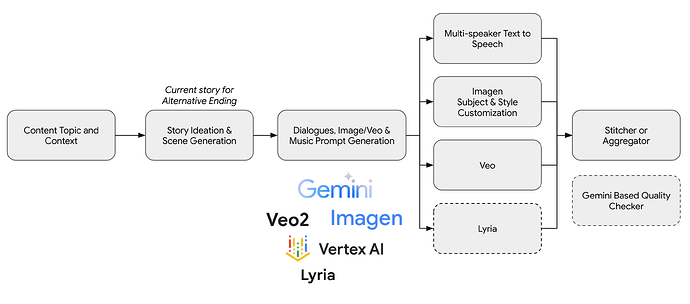
If you ask an AI tool to “write a full marketing campaign” in a single prompt, you are going to get bland, useless junk. A real AI workflow isn’t a single magic prompt—it’s a step-by-step assembly line where different tools tackle small, specific tasks under human direction.
Think of AI as an incredibly fast, highly capable intern. You wouldn’t hand an intern the keys to your entire marketing budget and walk away. You would ask them to research a topic, draft an outline, pull out key quotes, and draft a few tweet variations. Then you’d look it over, tweak the tone, add your own experience, and polish it up. That is precisely what a modern generative AI workflow looks like in action.
Why You Can’t Ignore AI Workflows Anymore
Marketing teams today are expected to be everywhere at once. A single piece of core content can no longer just live as a blog post. To get real traction, that one idea needs to be broken down into a LinkedIn article, an Instagram carousel, a newsletter edition, a short-form video script, and targeted ad copy.
Trying to write every single one of those assets from scratch will burn your team out in a heartbeat. By using generative AI for repurposing, you can take one solid, original idea and instantly adapt it for a dozen different channels. It’s not about publishing more noise; it’s about giving your best ideas the maximum amount of visibility without killing your team in the process.
Starting With Real Strategy (Before Touching Any AI Tool)
The biggest mistake marketers make with AI is opening up a blank chat window before they even know what they’re trying to achieve. AI is an accelerator, which means if you give it a vague, directionless goal, it will just help you generate bad ideas ten times faster.
Before you type a single prompt, you need to lock down your core objective:
- Who specifically is this for? (e.g., burned-out managers, first-time home buyers, tech founders).
- What problem are we solving?
- What action do we want them to take next?
When you feed clear audience context and explicit business goals into your AI prompts, the output instantly becomes ten times more relevant, usable, and targeted.
Brainstorming and Audience Research Without the Guesswork
Staring at a blank page is the worst part of any creative job. Generative AI platforms like Gemini and ChatGPT are brilliant cure-alls for writer’s block when used as brainstorming partners.
Instead of asking AI for basic topic ideas, feed it actual customer pain points, customer support tickets, or sales objections. Ask it to generate fresh content angles, uncover hidden customer anxieties, or list the top ten questions a beginner would ask about your industry. However, always cross-reference those AI ideas with real search data, community discussions, and actual customer conversations to make sure people genuinely care about what you’re planning to write.
The Cheat Sheet: Human vs. AI Roles in Content Production
To build a smooth, high-performing workflow, your team needs to know exactly where the machine’s job ends and where the human’s job begins. Here is how top marketing teams divide up the work:
| Content Phase | What Generative AI Does Best | What Humans MUST Handle |
| Topic Research | Spotting high-level patterns, organizing customer FAQs, and pulling keyword clusters. | Validating real customer demand, checking search intent, and picking strategic angles. |
| Content Briefs | Organizing headers, outlining sub-topics, and suggesting structural flow. | Adding proprietary company data, real-world case studies, and brand perspectives. |
| First Drafts | Rapidly writing basic explanations, smooth intros, and structural copy. | Fact-checking claims, stripping out corporate jargon, and adding emotional hook. |
| Repurposing | Turning long articles into quick social posts, email teasers, and video scripts. | Tailoring tone to specific platform cultures and engaging in the comment section. |
Building Bulletproof Content Briefs First
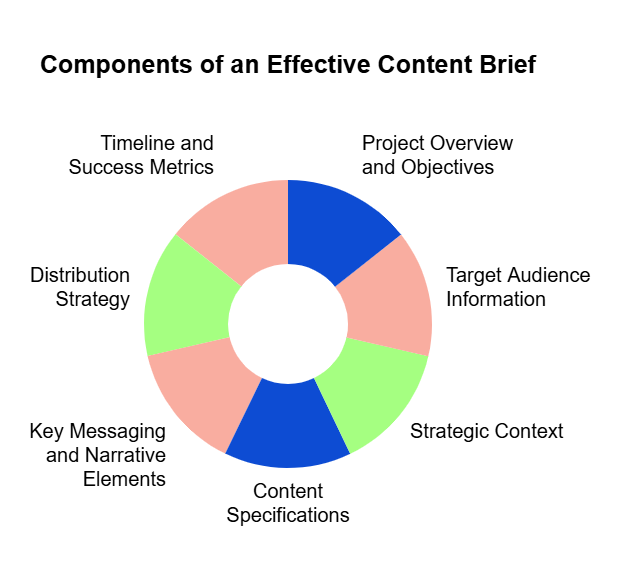
If you want clean, usable output from AI, you have to give it a solid blueprint. Skipping the content brief stage is the fastest way to get generic, rambling text that takes hours to fix later.
A great AI-assisted brief outlines the primary objective, target persona, main pain points, required subheadings, target keywords, and expected tone of voice. When you feed a structured brief into an AI writing tool, it gives the algorithm clear guardrails. From there, you can easily plug in your company’s unique case studies, proprietary statistics, and expert quotes that no AI model could ever know on its own.
Drafting Faster Without Losing Your Soul
Let’s talk about the drafting phase. Using AI to write a first draft is where you save massive amounts of time, but only if you manage your expectations. The goal of an AI draft isn’t to hit “publish” immediately—it’s simply to give you a solid mound of clay that you can sculpt into something great.
Use AI to quickly map out routine explanations, draft section summaries, or write introductory hooks. But as the editor, your job is to step in and infuse that draft with original human insight, real-world examples, and fresh perspectives. That’s the difference between a dry piece of fluff and a compelling, high-converting article.
Why Unedited AI Content Destroys Brand Trust

We’ve all read bad AI writing. It’s full of fluff words like “game-changer,” “testament,” “landscape,” and “delve.” It uses overly formal sentence structures, repeats the same point three different ways, and ultimately says a whole lot of nothing.
Publishing raw AI content harms your brand’s authority faster than almost anything else. Modern readers are extremely good at spotting automated text, and once they realize a real human didn’t care enough to write or edit the piece, they tune out completely. Every single piece of AI-assisted content must pass through a strict human editorial filter to trim the fat, tighten the narrative, and ensure it sounds like a real person talking to another real person.
Training AI on Your Brand’s Actual Personality
If you want AI tools to output text that sounds like your brand rather than a generic textbook, you have to feed them clear brand voice guidelines.
Create a dedicated system prompt or reference document that spells out your brand’s identity:
- Tone: (e.g., witty, authoritative, direct, casual, sarcastic).
- Forbidden Words: List every single cliché or overused word you never want to see.
- Formatting Rules: Do you like short paragraphs? Bullet points? Custom tables?
- Style Examples: Provide three paragraphs of your absolute best past content as a gold-standard reference.
When you give an AI tool concrete examples of how you speak, the quality of its content generation improves instantly.
Turning One Great Asset into a Multi-Channel Engine
The single biggest ROI win for AI in 2026 is content repurposing. Taking a single, well-researched guide and manually rewriting it for five different social platforms used to take an entire afternoon. Now, it takes twenty minutes.
Once a high-quality article is published, you can feed that text back into your AI tool to generate:
- A LinkedIn post highlighting the key takeaway for professionals.
- An Instagram carousel script breaking down the concept visually.
- A short, punchy email newsletter summary with a link back to your site.
- A 60-second video script for TikTok or YouTube Shorts.
This hub-and-spoke model maximizes the value of every single idea you produce.
Why Fact-Checking Is an Absolute Non-Negotiable
Here is a hard truth about generative AI: it is designed to sound convincing, not necessarily to tell the truth. AI models can and do make up quotes, invent historical dates, misquote studies, and hallucinate statistics with total confidence.
In an era where trust and credibility are everything, skipping the fact-checking step is a massive risk. Before any content goes live, a human team member must manually verify every single stat, link, quote, and claim against a reputable source. If your content deals with finance, health, law, or tech, rigorous editorial verification is double-important for keeping your brand safe and reliable.
Creating Content That Wins in Search and AI Answers
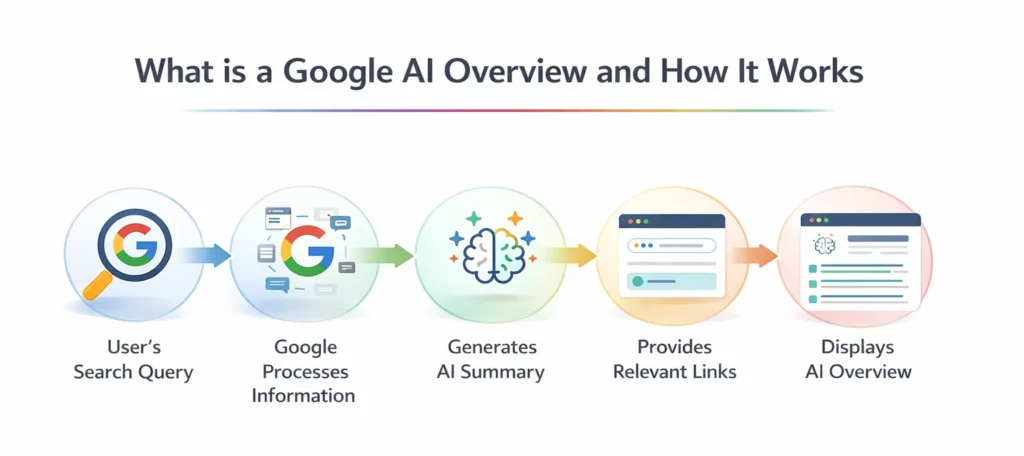
Search engines have evolved beyond basic keyword matching. With AI-driven answer engines taking over how people find information, publishing generic, high-volume rehashes of existing articles is a dead end.
To rank well and show up in AI search summaries, your content needs to offer genuine, original value that can’t be scraped from anywhere else. That means featuring first-hand experience, original survey data, expert quotes, detailed teardowns, and unique opinions. Search engines want to reward helpful, people-first content, which means human expertise is actually more valuable now than it has ever been.
Measuring Real Business Value Instead of Vanity Metrics
It’s easy to get intoxicated by production speed. Turning out fifty articles a month feels like a huge win on paper, but if none of those pieces bring in real leads or sales, you’ve just automated the production of waste.
Stop measuring the success of your AI workflow by output volume alone. Instead, track real business results:
- Qualified organic traffic: Are the right people actually finding your content?
- Engagement rates: Are visitors reading, sharing, and commenting?
- Conversions & Leads: Is your content convincing people to sign up, book a call, or buy?
- Cost per Acquisition: Is AI helping you create leads more efficiently?
Speed is great, but content quality and relevance are what actually drive revenue.
The Secret to Winning with AI in 2026

At the end of the day, generative AI is a powerful assistant, not a replacement for human intellect, taste, or empathy. The brands winning in 2026 aren’t the ones that automated their entire creative process to run on autopilot.
The real winners are the teams that use generative AI workflows to blow through grunt work, automate administrative tasks, and streamline repurposing—freeing up their human strategists to focus on deep thinking, genuine storytelling, and building real connections with their audience. Use the tech to build the scaffolding, but make sure a real human always provides the soul.