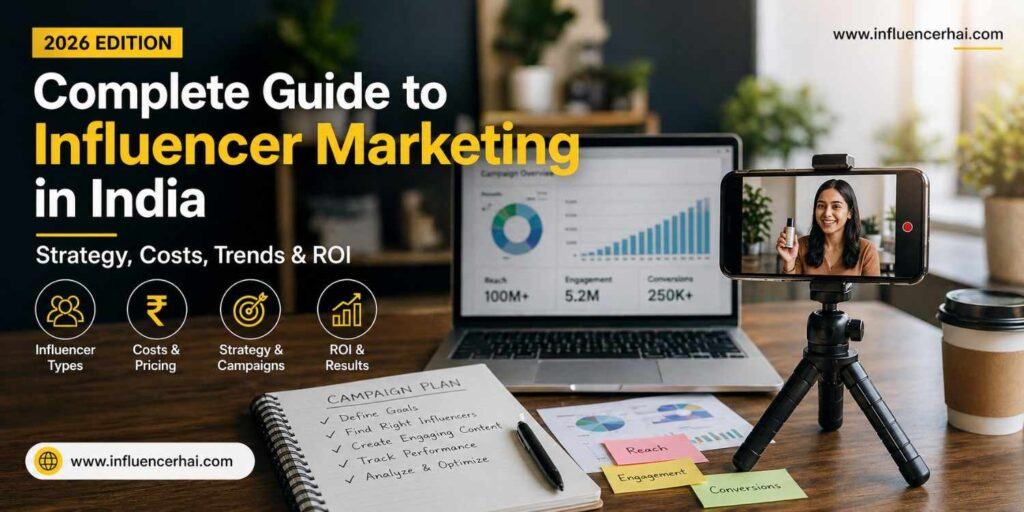
Influencer marketing has firmly established itself as one of the most essential pillars of modern digital strategy for organizations around the globe. Modern consumers increasingly bypass traditional banner ads and television spots, placing far greater trust in the authentic recommendations of creators. Consequently, strategic creator partnerships empower brands to spark organic conversations, cultivate lasting consumer trust, and drive high-converting sales pipelines.
Influencer marketing spans a rich ecosystem of specialized creators. Brands now strategically partner with nano, micro, macro, and mega influencers across diverse platforms including Instagram, TikTok, YouTube, LinkedIn, Facebook, and X.
What Is Influencer Marketing?
Understanding the Core Mechanism
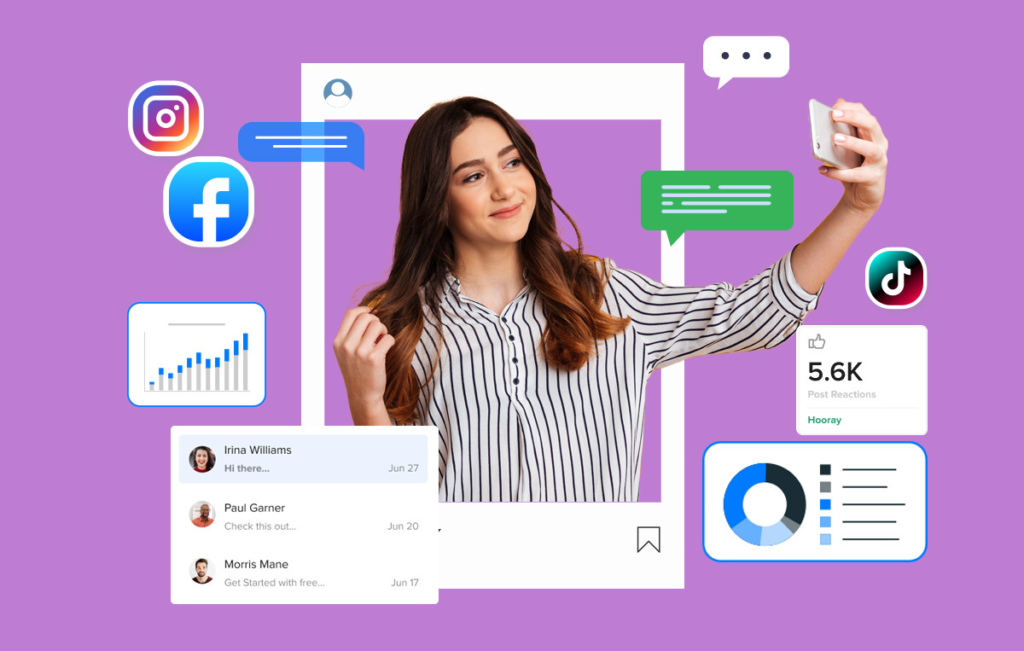
Influencer marketing is a strategic collaboration where brands partner with digital content creators who possess dedicated, highly engaged online communities. These creators promote products, services, or lifestyle values through customized social posts, long-form videos, live streams, or blog content.
The Value of Authenticity
Unlike traditional celebrity endorsements that often feel distant and overly scripted, modern creator partnerships thrive on personal connection. Followers view their favorite creators as relatable peers and trusted domain experts, making their product recommendations feel like genuine advice from a knowledgeable friend rather than a corporate sales pitch.
Why Influencer Marketing Matters
Key Advantages for Modern Brands
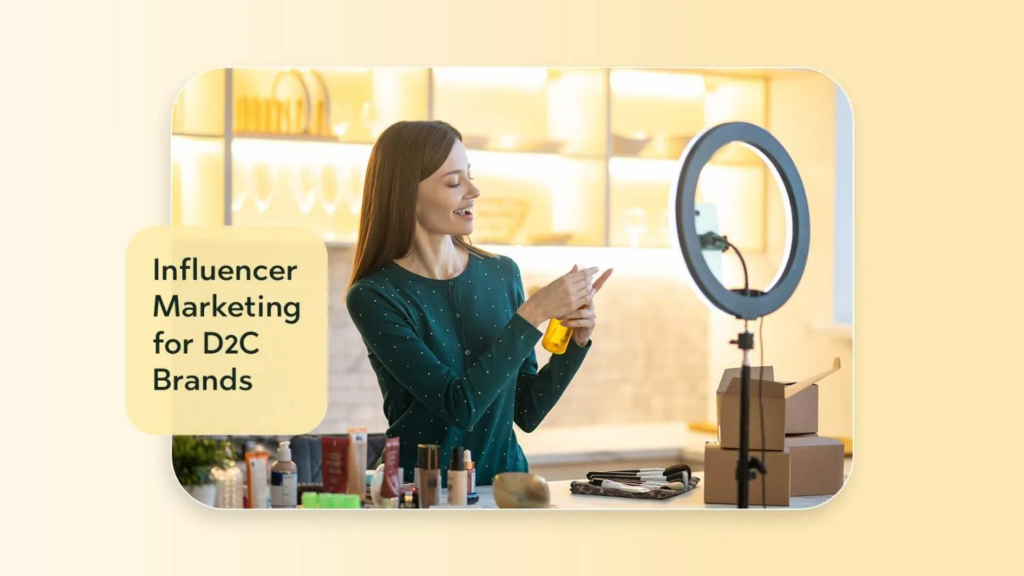
When properly integrated into your broader marketing ecosystem, creator collaborations deliver incredible return on investment and build valuable brand equity.
| Core Strategic Metric | Business Impact of Creator Partnerships |
| Brand Awareness | Expands market reach by placing your product directly in front of active communities. |
| Audience Engagement | Triggers meaningful interactions, comments, shares, and real-time conversations. |
| Customer Trust | Leverages built-in social proof, making purchase decisions feel natural and safe. |
| Conversion Efficiency | Drives higher click-through rates using targeted link shares and custom discount codes. |
| Content Creation | Yields high-quality user-generated content (UGC) for repurposing across owned ads. |
Types of Influencers
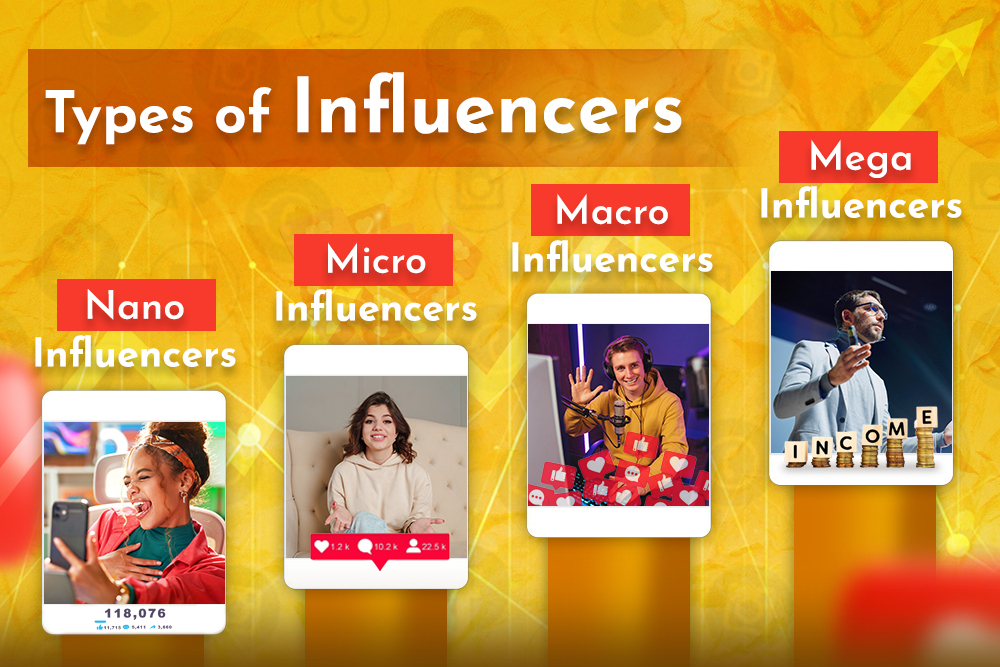
1. Nano Influencers (1,000 – 10,000 Followers)
Nano influencers cultivate incredibly tight-knit, hyper-local, or niche-focused communities. Because they interact directly with nearly every comment they receive, they boast extraordinary engagement rates and deep personal trust. They are budget-friendly partners for local businesses, early-stage startups, and hyper-targeted niche campaigns.
2. Micro Influencers (10,000 – 100,000 Followers)
Micro influencers represent the ideal sweet spot between wide reach and strong community intimacy. They are viewed as subject-matter experts in specific verticals like fitness, sustainable fashion, or tech gadgets. Micro influencers deliver exceptionally high conversion rates and offer incredible ROI for performance-focused marketing campaigns.
       [ The Influencer Ecosystem ]
                    │
   ┌────────────────┼────────────────┐
   ▼                ▼                ▼
Nano & Micro      Macro          Mega / Celebrity
(High Trust &   (Broad Reach &   (Mass Awareness &
 Conversions)   Professionalism)   Global Visibility)
3. Macro Influencers (100,000 – 1,000,000 Followers)
Macro influencers are seasoned, full-time digital creators with massive reach and production quality. They offer broad brand exposure and polished media assets, making them perfect additions to national brand campaigns, major product launches, and seasonal promotional drives.
4. Mega Influencers (1,000,000+ Followers)
Mega influencers include mainstream celebrities, top-tier internet icons, and world-renowned public figures. Collaborating with them delivers unmatched mass visibility and instant credibility, though it requires substantial financial investment. They excel at driving broad cultural awareness on a global scale.
Top Platforms for Creator Partnerships
Instagram remains a top-tier hub for visual storytelling, lifestyle branding, and direct social commerce. It excels across categories like fashion, beauty, luxury travel, food, fitness, and home decor. Features like Reels, Stories, and shoppable product tags make it an essential sales driver.
TikTok
TikTok dominates short-form video entertainment, viral trends, and rapid product discovery. It is the premier space for reaching Gen Z and Millennial audiences, hosting raw product demonstrations, unboxings, and entertaining brand challenges that convert viewers into buyers overnight.
YouTube
YouTube is the undisputed leader for long-form, evergreen video content. It is ideal for deep-dive product reviews, in-depth tutorials, tech walkthroughs, and educational breakdowns. YouTube videos continue to generate organic traffic and sales for years after their initial upload date.
Platform Selection Tip: Choose your primary social platform based strictly on where your ideal customer spends their active time, rather than attempting to launch campaigns across every single platform simultaneously.
LinkedIn has transformed into a powerful engine for B2B influencer marketing, corporate branding, and thought leadership. Partnering with respected industry executives, startup founders, and niche experts helps brands build immense professional credibility, secure high-value enterprise leads, and hire top talent.
Building an Effective Influencer Strategy
1. Establish Clear Objectives
Define precisely what success looks like before reaching out to creators. Whether your goal is increasing website traffic, generating qualified B2B leads, driving e-commerce sales, or boosting brand sentiment, having clear metrics guides your budget allocation and creator selection process.
2. Identify Your Target Audience
To choose the right partners, analyze your target demographic’s age, geographic location, interests, purchasing habits, and preferred content formats. The goal is to partner with creators whose audience demographic matches your buyer persona perfectly.
3. Select Partners Based on Resonance Over Reach
Look far beyond raw follower metrics, which can easily be inflated by inactive accounts. Evaluate a creator’s real engagement rate, comment sentiment, visual quality, alignment with brand values, and historical campaign transparency. A smaller creator with an active, passionate audience will consistently outperform a large account with dead engagement.
4. Grant Creative Freedom
While providing clear brand guidelines and regulatory compliance notes is essential, avoid forcing rigid scripts onto creators. Allow influencers artistic freedom to integrate your product naturally into their signature storytelling style, ensuring the final content feels authentic to their audience.
                  [ Creator Campaign Workflow ]
                                │
     ┌──────────────────────────┼──────────────────────────┐
     ▼                          ▼                          ▼
Set Objectives            Audit Creators             Grant Creative Freedom
(Clear KPIs & Goals)      (Check Real Engagement)    (Ensure Natural Storytelling)
5. Track and Analyze Performance Data
Regularly measure key performance indicators (KPIs) using custom tracking links, exclusive discount codes, and analytics dashboards. Evaluate metrics like impressions, total engagement, click-through rates, cost-per-acquisition (CPA), and overall return on ad spend (ROAS) to continually optimize future iterations.
Proven Best Practices for Maximum Impact

Long-Term Creator Ambassadorships
Transitioning from one-off sponsored posts to long-term brand ambassadorships builds deeper audience trust. When followers see a creator using your product consistently over many months, the endorsement transitions from a paid promotion to a genuine lifestyle staple.
Multi-Channel Content Repurposing
Maximize the return on your creator investments by securing rights to repurpose influencer-generated assets across your paid ad channels, email newsletters, website landing pages, and print media. User-generated style ad creatives frequently outperform polished studio advertisements in paid social campaigns.
Critical Mistakes to Eliminate
Avoiding Campaign Failure
Steer clear of these common operational missteps to protect your brand reputation and campaign budget:
- Prioritizing Vanity Metrics: Selecting partners based solely on follower counts rather than verifying genuine audience interaction.
- Over-Scripting Content: Dictating rigid corporate talking points that destroy creator authenticity and alienate viewers.
- Ignoring Regulatory Guidelines: Failing to enforce clear ad disclosure labels (such as
#ador#sponsored), which can lead to regulatory fines. - Neglecting Contractual Details: Launching campaigns without written agreements covering usage rights, content exclusivity, payment terms, and delivery schedules.
Major Trends Shaping the Future
1. The Rapid Rise of AI Discovery and Analytics
Artificial intelligence tools are revolutionizing campaign management. Advanced platforms now analyze creator audience authenticity, detect fake engagement, forecast campaign performance, and automatically match brands with ideal niche creators in seconds.
2. Hyper-Growth in Social Commerce and Live Shopping
Social platforms are streamlining the path from discovery to purchase with native checkout tools. Live shopping broadcasts and shoppable short-form videos allow users to buy featured items instantly without leaving the app, drastically reducing friction in the sales funnel.
3. Expansion of B2B Creator Marketing
Influencer strategies are no longer limited to consumer brands. B2B software companies, financial institutions, and professional service providers are actively partnering with industry thought leaders, podcasters, and newsletter writers to build trust with corporate decision-makers.
Embracing Long-Term Creator Success

Securing Modern Competitive Advantage
Influencer marketing has evolved into a sophisticated, data-driven discipline centered on authentic human connections and community trust. By establishing clear campaign goals, giving creative freedom to the right partners, prioritizing long-term ambassadorships, and keeping up with emerging trends, your brand can build a lasting competitive edge in today’s digital marketplace.