Choosing the right tool can make a big difference in how efficiently you work, create, build, manage, and solve everyday problems. Whether you are looking for power tools, hand tools, software, digital productivity platforms, or specialized equipment, the number of available options can make the buying process confusing.
A tool may look impressive online, but the most important question is whether it actually suits your needs. Features, performance, durability, ease of use, price, and long-term value all matter when comparing different products.
This ultimate tool reviews guide explains what to look for before choosing a tool, how to compare products effectively, and which features can help you make a more confident purchasing decision.
Why Tool Reviews Matter
A tool review can provide valuable information that may not be obvious from a product description. While manufacturers explain the features of their products, real-world reviews often focus on how those features perform during everyday use.
A helpful review may discuss:
- Product quality
- Ease of use
- Performance
- Durability
- Design
- Value for money
- Key features
- Limitations
- Best use cases
Reading several reviews can help you understand whether a tool is suitable for beginners, professionals, home users, businesses, or specialized projects.
Different Types of Tools
The word “tool” covers a wide range of products. Before comparing options, it is important to identify the category you need.
Hand Tools
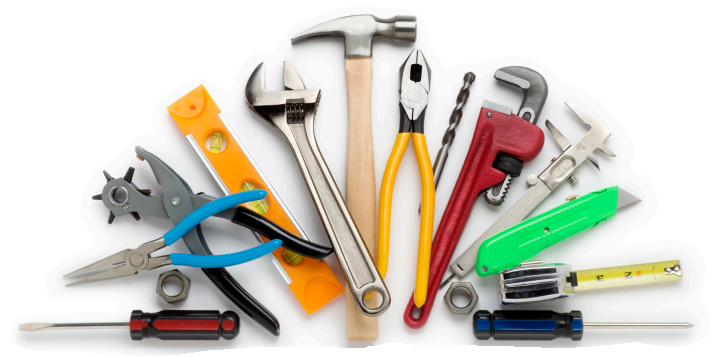
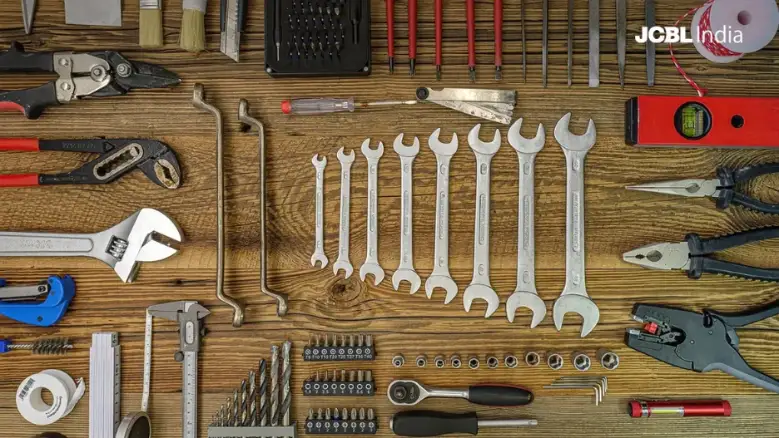
Hand tools include screwdrivers, hammers, pliers, wrenches, measuring tools, and other equipment used for manual tasks. Quality, comfort, grip, and durability are especially important when choosing hand tools.
Power Tools
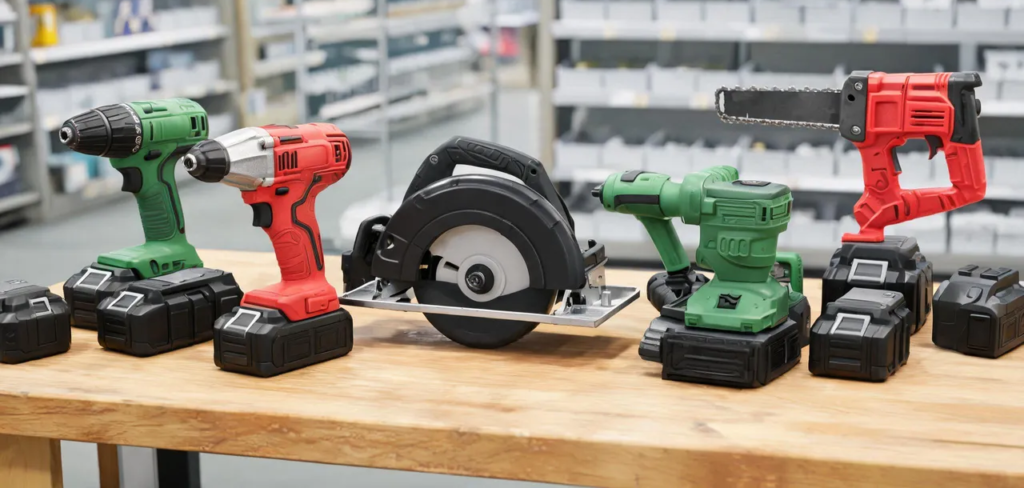
Power tools are designed to make demanding tasks faster and easier. Drills, saws, sanders, grinders, and other powered equipment are popular among professionals and DIY users.
When reviewing power tools, consider battery life, motor performance, speed settings, weight, safety features, and compatibility with accessories.
Digital Tools and Software
Digital tools include productivity apps, design platforms, project management software, AI tools, security programs, and business applications.
Important features may include user experience, integrations, pricing, automation capabilities, collaboration options, and data security.
Specialized Tools
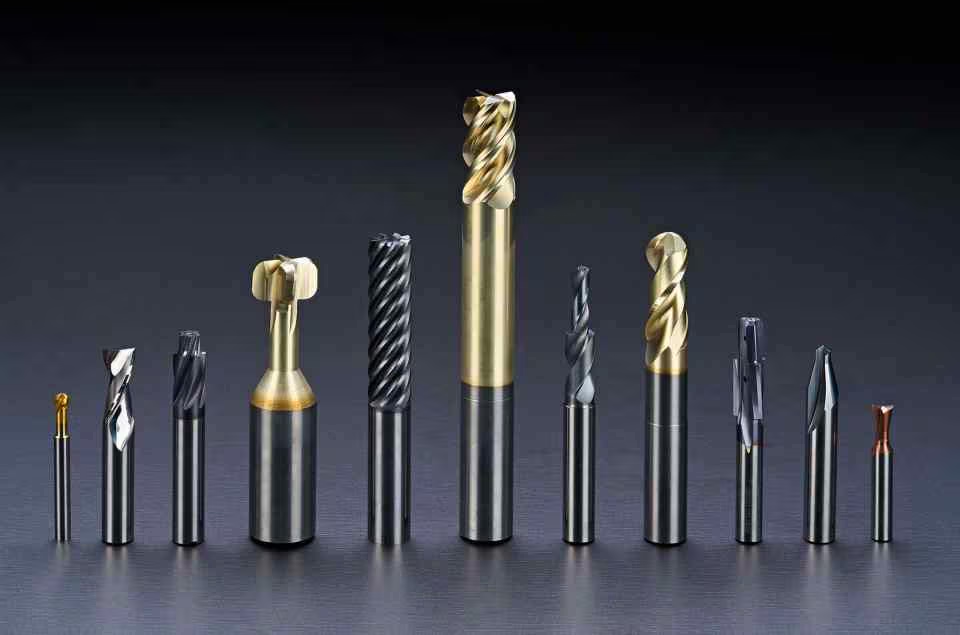
Some tools are designed for specific industries or tasks. These may include automotive tools, gardening equipment, construction tools, laboratory equipment, or professional software.
The best specialized tool is usually one that meets the exact requirements of the job.
How to Choose the Best Tool
The best tool is not always the most expensive one. Instead, it should provide the right combination of performance, quality, features, and value.
Start by identifying your main purpose. Ask yourself what task you need the tool to perform and how frequently you expect to use it.
A professional who uses a tool every day may need a more durable model than someone who only needs it occasionally for home projects.
Consider the following questions:
- What job will the tool perform?
- How often will I use it?
- Do I need professional-grade performance?
- Is the tool easy to operate?
- Does it include the necessary accessories?
- Is it compatible with equipment I already own?
- Is the price reasonable for the expected lifespan?
Answering these questions can help narrow down your choices.
Important Features to Compare
When comparing tools, look beyond the product name and basic specifications.
Performance

Performance is one of the most important factors. A tool should perform its intended task efficiently and consistently.
For power tools, performance may involve speed, power, precision, or battery life. For software, performance may include processing speed, reliability, automation, and responsiveness.
Durability
A durable tool can provide better long-term value. Look for quality materials, strong construction, reliable components, and positive user experiences.
Durability is especially important for tools that will be used frequently or in demanding environments.
Ease of Use
A tool can have excellent features but still be frustrating if it is difficult to use. Good design should make the tool comfortable, intuitive, and practical.
For physical tools, consider weight, grip, balance, and controls. For digital tools, look at the interface, setup process, navigation, and learning curve.
Compatibility
Compatibility can affect the overall cost of owning a tool. Some products work only with specific accessories, platforms, operating systems, batteries, or equipment.
Before purchasing, check whether the tool works with your existing setup.
Safety Features

Safety should never be overlooked. Tools should be used according to manufacturer instructions and appropriate safety guidelines.
Depending on the product, useful safety features may include protective guards, automatic shutoff systems, secure grips, overload protection, or user permission controls for digital platforms.
Comparing Price and Value
Price is important, but it should not be the only factor in your decision. A cheaper product may cost more over time if it breaks quickly, performs poorly, or requires frequent replacement.
A more expensive tool may offer better durability, stronger performance, longer warranties, or additional features.
When comparing value, consider:
- Purchase price
- Expected lifespan
- Maintenance costs
- Replacement parts
- Accessories
- Warranty coverage
- Long-term performance
The best value is often the product that provides dependable performance over time.
Understanding Pros and Cons


Every tool has strengths and limitations. A trustworthy review should explain both.
For example, a tool may offer excellent performance but be heavier than competing models. Another may be affordable and easy to use but lack advanced features.
Understanding the pros and cons helps you decide whether a product’s limitations matter for your specific needs.
Instead of asking whether a tool is simply “good” or “bad,” ask whether it is right for your intended use.
Tool Reviews for Beginners
Beginners often benefit from tools that are simple, reliable, and easy to understand. Advanced features may not always be necessary when learning a new skill.
Look for products with:
- Clear instructions
- Simple controls
- Comfortable design
- Helpful support resources
- Good reliability
- Reasonable pricing
Starting with a practical tool can help users build confidence before moving to more advanced equipment.
Tools for Professionals
Professionals often require higher performance, durability, and reliability. A tool that is used daily must be capable of handling demanding workloads.
Professionals may also prioritize:
- Faster performance
- Precision
- Extended battery life
- Strong materials
- Professional warranties
- Accessory compatibility
- Service and repair support
For professional users, reliability can be more important than saving money on the initial purchase.
The Importance of User Reviews
Customer reviews can provide useful insights into real-world experiences. Look for common patterns rather than relying on one extremely positive or negative review.
Pay attention to comments about:
- Long-term reliability
- Actual performance
- Ease of use
- Product quality
- Customer service
- Problems that appear repeatedly
A large number of consistent reviews can help provide a more realistic picture of a product.
However, reviews should be considered alongside product specifications and your personal requirements.
Common Mistakes When Buying Tools
One common mistake is buying a tool based only on price. While staying within your budget is important, the cheapest option may not always provide the best value.
Another mistake is choosing a product with more features than you actually need. Extra features can increase the price and make a tool more complicated.
Some buyers also forget to consider accessories, replacement parts, warranties, or compatibility.
Taking a few minutes to research these factors before purchasing can help prevent disappointment.
How to Create a Useful Tool Review
A helpful tool review should be clear, honest, and practical. Start by explaining what the tool is designed to do and who may benefit from it.
Then discuss important areas such as:
- Design and build quality
- Key features
- Performance
- Ease of use
- Durability
- Price and value
- Advantages and disadvantages
- Best use cases
The review should help readers understand whether the tool is suitable for their needs.
Final Thoughts
Choosing the right tool requires more than looking at a product’s appearance or price. The best decision comes from understanding your needs and comparing important factors such as performance, durability, ease of use, compatibility, safety, and long-term value.
Whether you are shopping for a hand tool, power tool, digital platform, or specialized product, reliable reviews can help simplify the decision-making process.
Take time to research different options, read user experiences, compare features, and consider how frequently you will use the tool. A well-chosen tool can save time, improve productivity, and make everyday tasks easier.
The goal of a good tool review is not simply to identify the most expensive or most popular product. It is to help you find the tool that provides the right balance of quality, performance, features, and value for your specific needs.
FAQ’s
1. Why are tool reviews important?
Tool reviews help you compare features, performance, quality, and value before buying.
2. How do I choose the best tool?
Consider your needs, intended use, performance, durability, features, and budget.
3. Are expensive tools always better?
No. The best tool is the one that offers the right quality and features for your needs.
4. What should I compare in a tool review?
Compare performance, durability, ease of use, compatibility, safety, price, and user feedback.
5. Should beginners choose professional tools?
Not always. Beginners often benefit from tools that are simple, reliable, and easy to use.