
Managing money effectively is one of the most important skills for achieving financial stability and long-term success. Whether you’re creating a monthly budget, tracking expenses, saving for a major purchase, or planning investments, the right finance tools can make the process much easier. Modern financial tools help individuals and businesses organize their finances, automate routine tasks, and make informed decisions.
From budgeting apps and expense trackers to investment platforms and accounting software, finance tools are designed to simplify money management while improving financial awareness. This guide explores the different types of finance tools, their benefits, and how to choose the best solution for your financial goals.
What Are Finance Tools?

Finance tools are digital applications, software, or online platforms that help users manage various aspects of personal or business finances. They provide features such as budgeting, expense tracking, financial planning, investment monitoring, invoicing, tax preparation, and reporting.
Instead of manually recording transactions in spreadsheets or notebooks, finance tools automatically organize financial data, saving time and reducing errors.
Why Finance Tools Are Important
Managing finances without proper organization can lead to overspending, missed payments, and difficulty reaching financial goals. Finance tools simplify financial management by providing real-time insights into your income, expenses, savings, and investments.
Some key benefits include:
- Better budgeting and spending control
- Accurate expense tracking
- Improved financial planning
- Faster bill payments
- Easier tax preparation
- Better investment monitoring
- Increased financial awareness
- Reduced manual calculations
- Secure storage of financial records
Using finance tools regularly helps users make smarter financial decisions and stay on track with their goals.
Types of Finance Tools
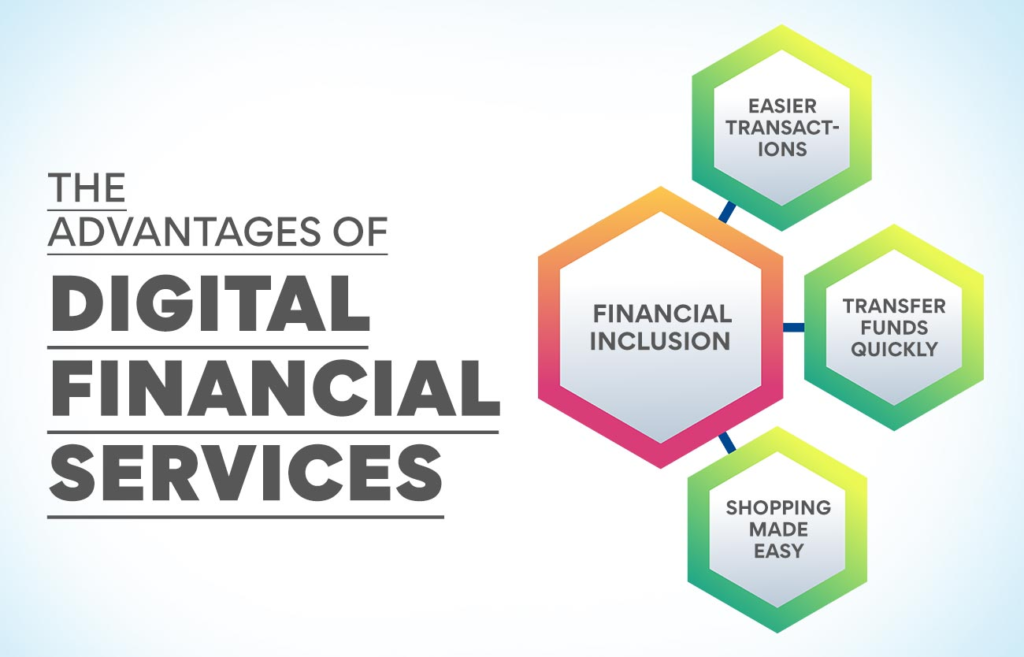
1. Budgeting Tools
Budgeting tools help users create monthly spending plans and monitor expenses.
Common features include:
- Monthly budgets
- Spending categories
- Savings goals
- Bill reminders
- Financial reports
These tools help identify unnecessary spending and encourage better saving habits.
2. Expense Tracking Tools
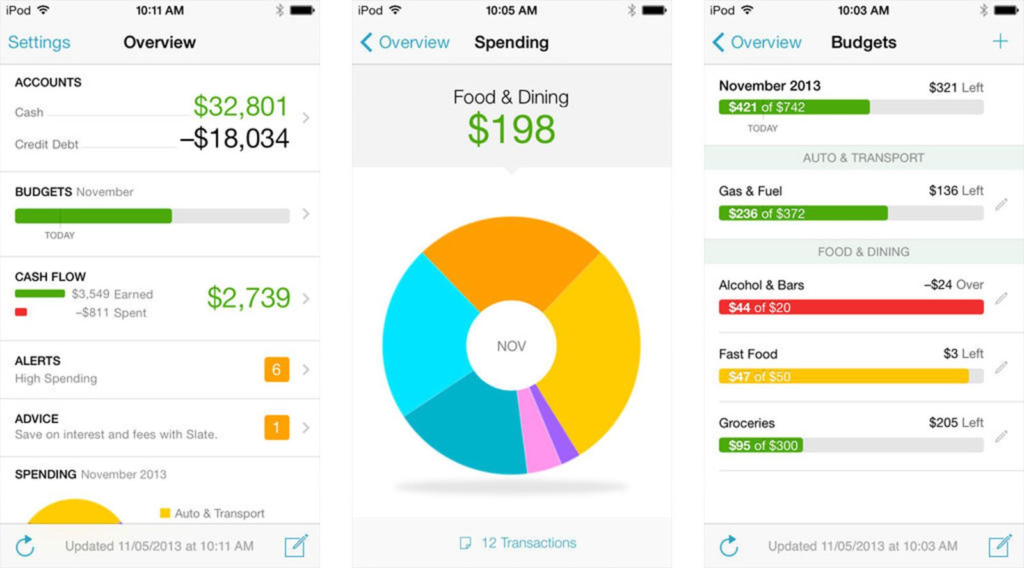
Expense trackers automatically record daily spending and categorize transactions.
Benefits include:
- Monitoring daily expenses
- Tracking subscriptions
- Identifying spending habits
- Creating detailed reports
This helps users understand exactly where their money goes each month.
3. Savings Tools
Savings tools help users build healthy financial habits.
Popular features include:
- Automatic savings transfers
- Emergency fund tracking
- Goal-based saving
- Progress monitoring
They make it easier to save consistently for vacations, education, or unexpected expenses.
4. Investment Management Tools
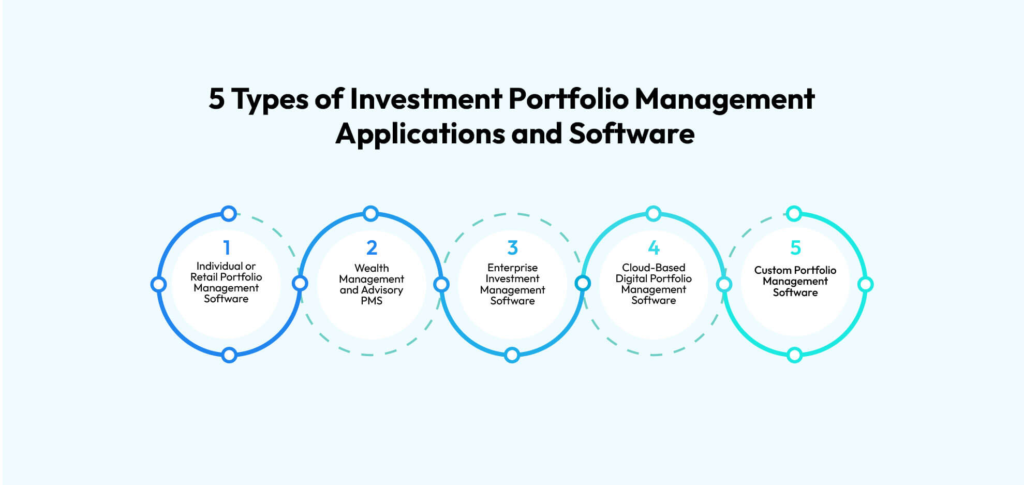
Investment tools allow users to monitor and manage different investment portfolios.
These platforms can help with:
- Stock portfolio tracking
- Mutual fund monitoring
- Retirement planning
- Performance analysis
- Asset allocation
Investors can view performance reports and make informed decisions based on market trends.
5. Accounting Software
Businesses often use accounting tools to manage financial records.
Typical features include:
- Invoicing
- Payroll management
- Financial statements
- Tax reporting
- Inventory tracking
- Profit and loss reports
Accounting software improves accuracy while reducing manual bookkeeping work.
6. Invoice and Payment Tools

Freelancers and businesses use invoice tools to create professional invoices and receive payments faster.
Benefits include:
- Custom invoices
- Payment reminders
- Online payment options
- Client management
- Payment tracking
These tools improve cash flow and simplify billing processes.
7. Tax Preparation Tools
Tax software helps individuals and businesses organize financial information before filing taxes.
Key features include:
- Income tracking
- Expense categorization
- Tax calculations
- Document storage
- Tax filing assistance
Proper record keeping also reduces stress during tax season.
Features to Look for in Finance Tools

When selecting a finance tool, consider features that match your needs.
Important features include:
- User-friendly interface
- Secure data encryption
- Automatic bank synchronization
- Mobile accessibility
- Budget planning
- Expense tracking
- Financial reporting
- Cloud backup
- Multi-device support
- Goal tracking
Choosing software with these features makes financial management easier and more efficient.
Benefits of Using Finance Tools

Finance tools provide several advantages for both individuals and businesses.
Better Budget Management
Budgeting becomes easier when spending is automatically categorized and tracked.
Time Savings
Automation reduces manual calculations and repetitive financial tasks.
Improved Financial Decisions
Detailed reports provide valuable insights into spending patterns and savings opportunities.
Greater Accuracy
Automatic calculations minimize human errors in financial records.
Enhanced Security
Many finance tools use encryption, two-factor authentication, and secure cloud storage to protect financial data.
Financial Goal Tracking
Users can monitor progress toward savings, debt repayment, or investment goals.
How Finance Tools Help Businesses

Businesses rely on finance software to improve efficiency and support growth.
Finance tools assist with:
- Cash flow management
- Employee payroll
- Expense reporting
- Financial forecasting
- Budget planning
- Inventory management
- Tax compliance
- Business performance analysis
Accurate financial information helps business owners make confident strategic decisions.
Finance Tools for Personal Use

Individuals can use finance tools for everyday money management.
Popular uses include:
- Monthly budgeting
- Saving for emergencies
- Tracking subscriptions
- Managing debt
- Planning retirement
- Monitoring investments
- Paying bills on time
These features help users maintain financial discipline and reduce unnecessary expenses.
Tips for Choosing the Right Finance Tool
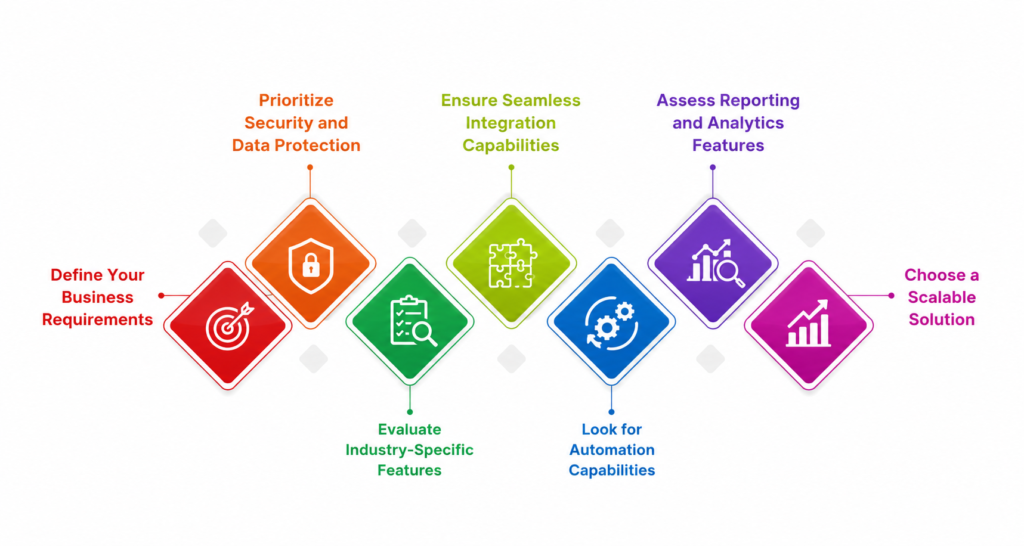
Before selecting a finance tool, ask yourself:
- What financial goals do I have?
- Do I need personal or business features?
- Is the software easy to use?
- Does it support mobile devices?
- Is my financial data secure?
- Does it fit my budget?
- Can it integrate with my bank accounts?
Choosing the right tool depends on your specific financial needs and long-term objectives.
Common Mistakes to Avoid
Even the best finance tools cannot help if they are not used properly.
Avoid these common mistakes:
- Ignoring monthly budget reviews
- Not updating financial information
- Overspending despite tracking expenses
- Failing to back up financial records
- Depending entirely on automation without reviewing reports
Regular monitoring ensures you get the most value from your finance tool.
Future of Finance Tools

Technology continues to improve financial management through innovations such as Artificial Intelligence (AI) and automation.
Future finance tools are expected to include:
- AI-powered budgeting
- Personalized financial advice
- Predictive spending analysis
- Automated investment recommendations
- Voice-controlled finance management
- Enhanced fraud detection
- Smarter tax planning
These innovations will make financial management even more accurate, efficient, and accessible.
Finance tools have transformed the way individuals and businesses manage money. They simplify budgeting, automate expense tracking, improve financial planning, and help users achieve their financial goals with greater confidence. Whether you’re managing personal finances or running a business, using the right finance tool can save time, reduce errors, and provide valuable insights into your financial health.
By choosing a reliable solution that fits your needs and reviewing your finances regularly, you can build better money habits and make smarter financial decisions for the future.
Frequently Asked Questions
1. What are finance tools?
Finance tools are software applications and online platforms that help users manage budgeting, expenses, savings, investments, accounting, and financial planning.
2. Are finance tools suitable for beginners?
Yes. Many finance tools offer simple interfaces and beginner-friendly features for budgeting and expense tracking.
3. Can finance tools improve budgeting?
Yes. Budgeting tools help monitor income and expenses, identify unnecessary spending, and support better saving habits.
4. Are finance tools secure?
Most reputable finance tools use encryption, secure cloud storage, and multi-factor authentication to protect financial information.
5. Who should use finance tools?
Finance tools are useful for students, professionals, families, freelancers, entrepreneurs, and businesses looking to manage their finances more effectively.