Managing your money wisely is one of the most important steps toward achieving long-term financial success. While earning more income is helpful, building wealth depends on how effectively you save, budget, invest, and plan for the future. Fortunately, modern personal finance tools make it easier than ever to stay in control of your finances. Whether you’re just beginning your financial journey or looking to improve your money management skills, the right tools can help you make smarter decisions, reduce financial stress, and grow your wealth over time.
Why Personal Finance Tools Matter
Personal finance tools simplify the process of tracking income, monitoring expenses, creating budgets, and planning investments. Instead of relying on spreadsheets or manual calculations, these tools automate financial management and provide valuable insights into your spending habits. They help users identify unnecessary expenses, set savings goals, manage debt, and stay on track with long-term financial plans.
With inflation, rising living costs, and increasing financial responsibilities, having a clear picture of your financial health is more important than ever. Personal finance tools provide that clarity and allow you to make informed decisions with confidence.
Budgeting Tools for Better Money Management
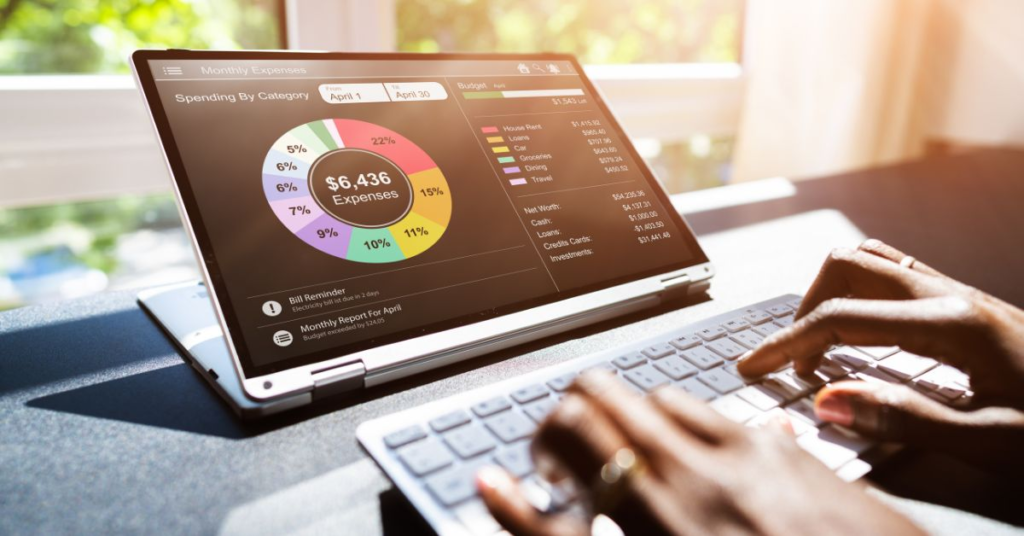
A strong financial foundation starts with a realistic budget. Budgeting tools help you understand where your money goes each month by categorizing expenses such as housing, groceries, transportation, entertainment, and utilities. They also allow you to set spending limits and receive alerts when you’re close to exceeding your budget.
Consistent budgeting prevents overspending and encourages disciplined saving. Over time, even small improvements in budgeting habits can lead to significant financial growth.
Expense Tracking Tools
Many people underestimate how much they spend on small daily purchases. Expense tracking tools automatically record your transactions and organize them into easy-to-read reports. These insights help you recognize spending patterns and identify areas where you can reduce unnecessary expenses.
Tracking expenses consistently creates awareness, which is often the first step toward improving financial habits.
Savings Goal Trackers
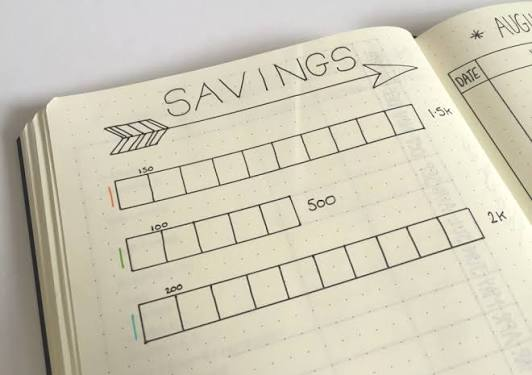
Saving money becomes easier when you have a clear target. Savings goal trackers allow you to create multiple savings goals, such as building an emergency fund, purchasing a home, taking a vacation, or buying a car.
These tools monitor your progress and motivate you to contribute regularly. Watching your savings grow over time encourages consistency and keeps you focused on your financial objectives.
Investment Management Platforms
Building wealth requires more than simply saving money. Investing allows your money to grow through compound returns over time. Investment management tools provide access to stocks, mutual funds, exchange-traded funds (ETFs), bonds, and retirement accounts while helping you monitor portfolio performance.
Many platforms also offer educational resources, risk assessments, and automated portfolio recommendations for beginners who may not have extensive investment knowledge.
Debt Management Tools
Debt can slow your financial progress if not managed carefully. Debt management tools organize all your loans and credit card balances in one place. They help you calculate payoff timelines, compare repayment strategies, and monitor interest costs.
By creating structured repayment plans, these tools help users become debt-free faster while reducing unnecessary interest payments.
Net Worth Calculators

Your net worth represents the difference between your assets and liabilities. Net worth calculators automatically combine your financial accounts, investments, savings, loans, and debts to provide a complete picture of your financial position.
Monitoring your net worth over time helps you evaluate your financial progress and make adjustments when necessary.
Retirement Planning Tools
Preparing for retirement requires careful planning and long-term consistency. Retirement planning tools estimate how much money you’ll need based on your expected lifestyle, savings rate, investment growth, and retirement age.
These calculators help you determine whether you’re saving enough today to enjoy financial security in the future.
Credit Score Monitoring Tools

A healthy credit score affects your ability to qualify for loans, mortgages, and lower interest rates. Credit monitoring tools provide regular updates on your credit score while alerting you to changes that could indicate fraud or identity theft.
Monitoring your credit also helps you understand which financial habits improve or lower your credit rating.
Bill Reminder and Payment Management Tools
Late payments can result in penalties and negatively impact your credit history. Bill management tools send reminders before payment due dates and often allow automatic payments to prevent missed deadlines.
Organizing recurring expenses reduces stress and ensures your financial obligations remain under control.
Tax Preparation Tools
Preparing taxes can be confusing, especially for individuals with multiple income sources or investments. Tax preparation tools simplify the filing process by organizing financial records, estimating tax liabilities, and identifying potential deductions.
Using reliable tax software can save both time and money while reducing the risk of filing errors.
Financial Goal Planning
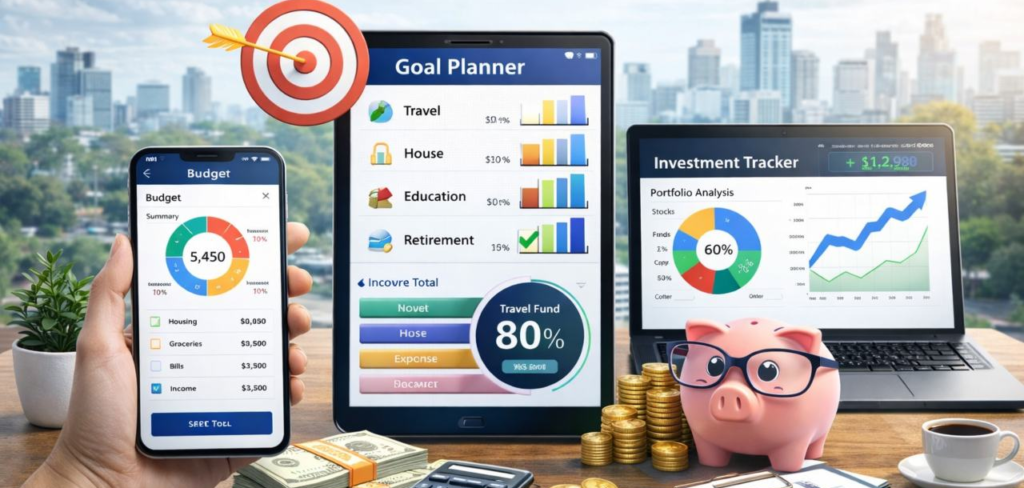
Successful wealth building starts with setting realistic financial goals. Goal planning tools help users create both short-term and long-term objectives while tracking progress over time.
Examples include:
- Building an emergency fund
- Paying off student loans
- Saving for higher education
- Purchasing a home
- Starting a business
- Achieving financial independence
Breaking large goals into smaller milestones makes them easier to accomplish.
Investment Portfolio Analysis
Diversification is essential for reducing investment risk. Portfolio analysis tools evaluate your asset allocation and identify whether your investments are balanced according to your risk tolerance and financial goals.
These insights help investors make informed adjustments that improve long-term performance.
Cash Flow Management

Cash flow management tools compare monthly income with expenses to ensure you maintain positive cash flow. They provide forecasts that help you prepare for upcoming bills, seasonal expenses, and unexpected emergencies.
Healthy cash flow reduces financial stress and prevents unnecessary borrowing.
Financial Security Through Automation
Automation is transforming personal finance. Many financial tools now allow users to automate savings contributions, investment deposits, loan payments, and recurring bills.
Automation removes the temptation to skip payments or savings contributions while creating consistent financial habits that build wealth over time.
Features to Look for in Personal Finance Tools
When choosing a personal finance tool, consider features such as:
- Secure bank account integration
- Automatic expense categorization
- Budget creation
- Savings goal tracking
- Investment monitoring
- Debt payoff planning
- Credit score monitoring
- Mobile accessibility
- Data encryption and security
- Financial reporting and analytics
Selecting a tool with these features ensures you receive a complete picture of your financial health.
Common Mistakes to Avoid
Even with powerful financial tools, users can make mistakes that slow wealth creation. Common mistakes include:
- Ignoring monthly budgets
- Not reviewing financial reports regularly
- Saving without investing
- Carrying high-interest debt
- Spending beyond your means
- Failing to build an emergency fund
- Setting unrealistic financial goals
- Neglecting retirement planning
Avoiding these mistakes significantly improves long-term financial success.
Tips for Building Wealth Faster
Building wealth requires consistency rather than quick wins. Consider these practical strategies:
- Track every expense.
- Follow a realistic monthly budget.
- Save before spending.
- Invest regularly for long-term growth.
- Reduce unnecessary debt.
- Increase income through additional skills or side projects.
- Review financial goals every few months.
- Use automation to maintain consistent saving and investing habits.
Small, disciplined actions repeated over many years often produce remarkable financial results.
The Future of Personal Finance Tools

Technology continues to reshape personal finance. Artificial intelligence, predictive budgeting, automated investing, and personalized financial recommendations are becoming increasingly common. Future finance tools will provide even greater insights by analyzing spending behavior, forecasting future expenses, and suggesting personalized strategies for saving and investing.
As financial technology evolves, managing money will become more convenient, accurate, and accessible for people at every income level.
Conclusion
Building wealth is not about making perfect financial decisions every day—it is about developing consistent habits that improve your financial future over time. Personal finance tools simplify budgeting, expense tracking, investing, debt management, retirement planning, and financial goal setting, making it easier to stay organized and focused on long-term success.
The best personal finance tools provide valuable insights, automate repetitive tasks, and help users make informed decisions with confidence. By combining these tools with responsible spending, regular saving, and smart investing, anyone can strengthen their financial foundation and work toward lasting financial independence. Whether you’re just starting your financial journey or refining an existing strategy, the right finance tools can play a significant role in helping you build wealth faster and achieve your financial goals.
FAQ’s
1. What are personal finance tools?
Personal finance tools are apps or software that help you manage budgeting, saving, investing, and tracking expenses.
2. Can finance tools help build wealth?
Yes, they help improve financial habits, monitor spending, automate savings, and support smarter investment decisions.
3. Are personal finance tools safe to use?
Most reputable finance tools use encryption and secure authentication to protect your financial information.
4. Which finance tool is best for beginners?
A simple budgeting and expense-tracking tool is the best starting point for beginners learning money management.
5. How often should I review my finances?
Review your budget, expenses, and financial goals at least once a month to stay on track and make necessary adjustments.