
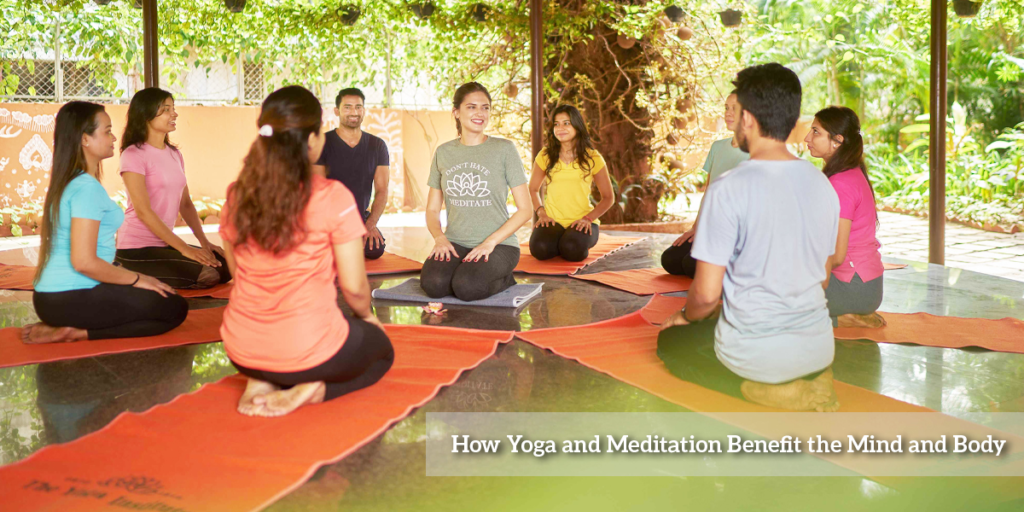
Modern life can often feel busy and overwhelming. Between work, studies, family responsibilities, and constant digital distractions, many people struggle to find time to relax and care for their well-being. This is where yoga and meditation can make a meaningful difference. These practices have been used for thousands of years to support physical health, mental clarity, and emotional balance, and today they are embraced by people of all ages around the world.
You don’t need to be highly flexible or spend hours each day to experience the benefits. Even a short daily routine can help reduce stress, improve focus, increase flexibility, and promote better overall health. Whether you’re completely new to yoga and meditation or looking to build a consistent habit, simple practices can fit easily into your everyday life.
What Are Yoga and Meditation?
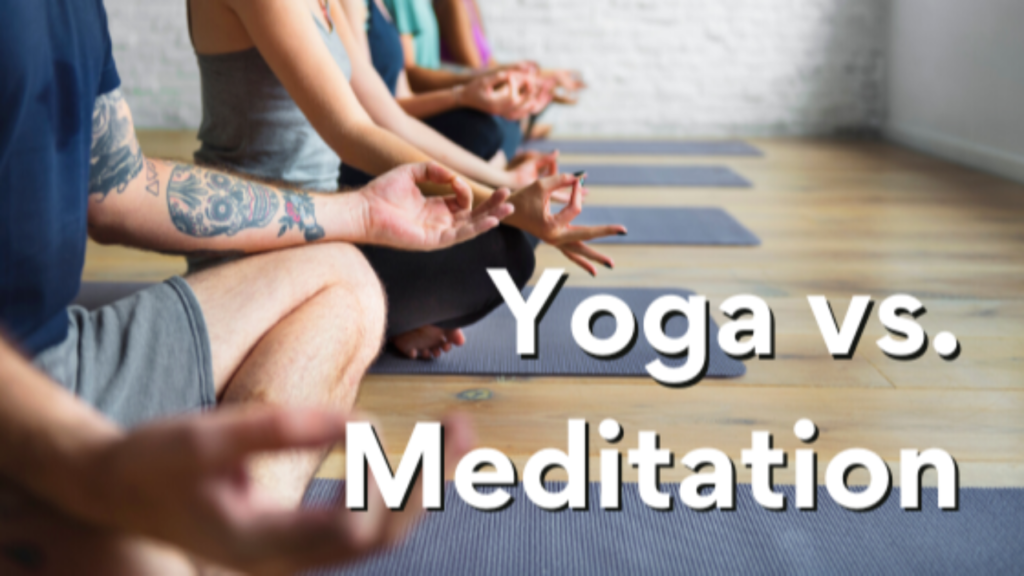
Yoga is a practice that combines physical postures, breathing techniques, and mindful movement to improve strength, flexibility, and balance. It encourages a deeper connection between the body and mind while helping people become more aware of their physical and emotional well-being.
Meditation is the practice of focusing the mind to create a sense of calm, awareness, and inner peace. It often involves paying attention to the breath, repeating a calming word or phrase, or simply observing thoughts without judging them.
Although they are different practices, yoga and meditation work well together. Yoga prepares the body by releasing tension, while meditation helps calm the mind and improve concentration.
Benefits of Yoga for the Body

Regular yoga practice offers many physical benefits that can improve everyday life. Stretching and strengthening exercises help increase flexibility, improve posture, and support healthy joints.
Yoga also builds muscle strength and improves balance, making daily activities easier and reducing the risk of injuries. Many people find that yoga helps relieve stiffness caused by sitting for long periods or spending hours working on a computer.
In addition, yoga encourages better breathing, which can improve energy levels and help the body use oxygen more efficiently.
Benefits of Meditation for the Mind
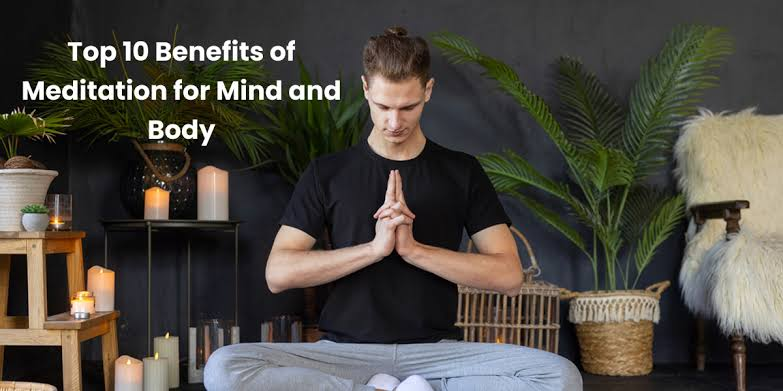
Meditation is well known for its positive effects on mental well-being. Taking a few quiet minutes each day to focus on your breathing or observe your thoughts can help reduce feelings of stress and improve emotional balance.
Many people also find that regular meditation improves concentration, memory, and decision-making. By training the mind to stay present, meditation can make it easier to manage distractions and respond calmly to challenges.
Over time, meditation may also contribute to better sleep and a greater sense of inner peace.
Why Combining Yoga and Meditation Works So Well
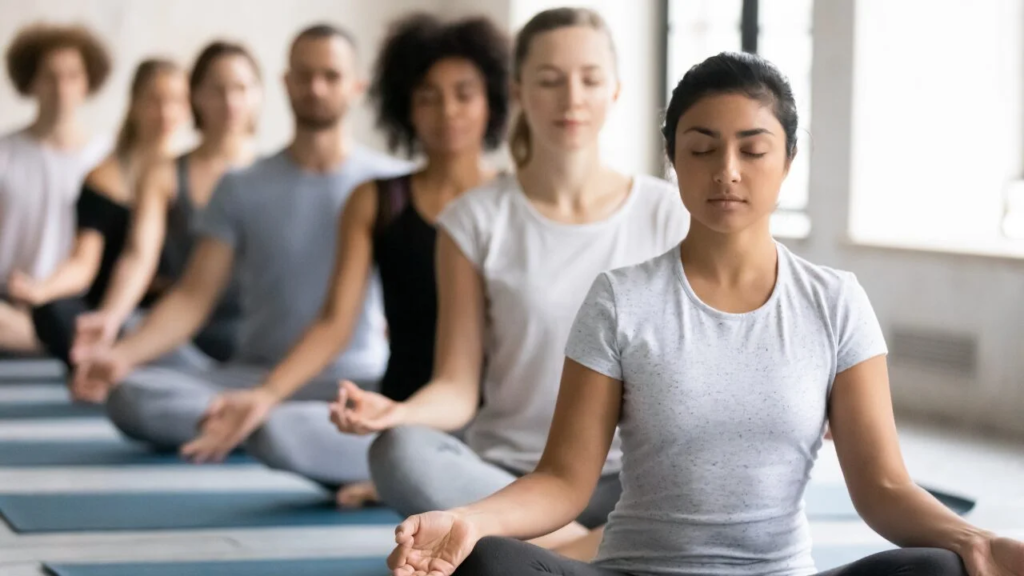
Yoga and meditation complement each other naturally. Yoga helps release physical tension, making it easier to sit comfortably during meditation. Meditation, in turn, helps develop mindfulness that can improve your yoga practice.
Together, these practices support both physical fitness and mental wellness. They encourage a balanced lifestyle by helping people care for both the body and the mind instead of focusing on only one aspect of health.
Many wellness experts recommend combining yoga with a few minutes of meditation for a complete daily self-care routine.
Simple Yoga Poses for Beginners

If you’re just getting started, focus on a few easy poses that build confidence and improve flexibility.
Mountain Pose helps improve posture and balance while encouraging steady breathing.
Child’s Pose gently stretches the back and shoulders while promoting relaxation.
Cat-Cow Stretch improves spinal flexibility and helps relieve tension in the neck and back.
Downward-Facing Dog strengthens the arms and legs while stretching the entire body.
Tree Pose helps develop balance, concentration, and stability.
Practicing these beginner-friendly poses regularly can help you become more comfortable with yoga over time.
Easy Meditation Techniques to Try
Meditation doesn’t have to be complicated. One of the simplest techniques is breathing meditation. Sit comfortably, close your eyes if you wish, and pay attention to each inhale and exhale. If your mind wanders, gently return your focus to your breath.
Another popular method is body scan meditation, where you slowly focus your attention on different parts of your body, noticing areas of tension and allowing them to relax.
You can also practice mindfulness meditation by observing your thoughts without judging them. This helps develop greater awareness and emotional resilience.
Even five to ten minutes of meditation each day can make a positive difference over time.
Creating a Daily Yoga and Meditation Routine

Building a routine is often easier when you start small. Choose a time of day that fits your schedule, such as early morning or before bedtime.
Begin with five to ten minutes of gentle stretching followed by five minutes of meditation. As the habit becomes more comfortable, you can gradually increase the duration.
Creating a quiet, comfortable space without distractions can also help make your practice more enjoyable and consistent.
The goal isn’t perfection—it’s developing a routine that supports your health and fits your lifestyle.
Common Mistakes Beginners Should Avoid
Many beginners think they need to perform advanced poses or meditate perfectly from the first day. In reality, progress comes through patience and consistency.
Avoid comparing yourself with others, especially on social media. Everyone’s body and experience are different.
Listen to your body during yoga, avoid pushing through pain, and remember that meditation is about gently returning your attention whenever your mind wanders.
Consistency is far more important than intensity.
Yoga and Meditation for Stress Relief
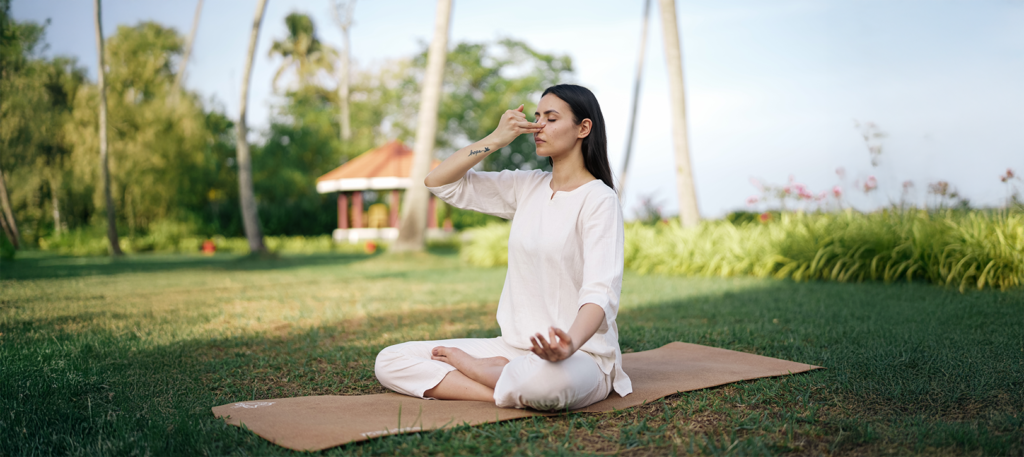
One of the biggest reasons people begin practicing yoga and meditation is to manage stress. Deep breathing, mindful movement, and quiet reflection help activate the body’s natural relaxation response.
After a busy day, even a short practice can help reduce physical tension and create a sense of calm. Many people notice that they feel more patient, focused, and emotionally balanced when yoga and meditation become part of their daily routine.
These practices don’t remove life’s challenges, but they can help you respond to them with greater clarity and confidence.
Supporting a Healthy Lifestyle
Yoga and meditation work best when combined with other healthy habits. Eating nutritious foods, staying hydrated, getting enough sleep, and engaging in regular physical activity all contribute to overall wellness.
Practicing gratitude, spending time outdoors, and limiting unnecessary screen time can also support mental and emotional health.
Small, consistent habits often have a greater long-term impact than dramatic lifestyle changes.
Yoga and meditation offer a simple yet powerful way to improve both physical and mental well-being. They help strengthen the body, calm the mind, reduce stress, improve flexibility, and encourage a more balanced lifestyle.
The best part is that you don’t need expensive equipment or years of experience to begin. Starting with just a few minutes each day can lead to meaningful improvements in your health and overall quality of life.
Whether your goal is to feel more relaxed, increase your energy, improve your focus, or simply create a little more balance in your daily routine, yoga and meditation provide practical tools that can support your journey toward a healthier mind and body.