
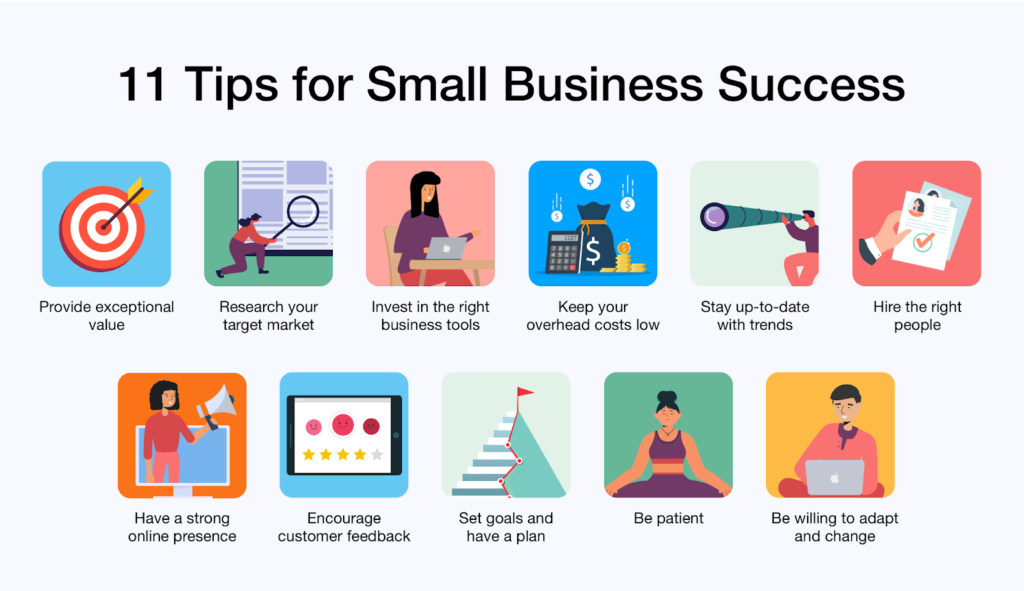
Starting a small business is one of the most rewarding ways to turn your ideas, skills, or passion into a sustainable source of income. Whether you dream of opening a local store, launching an online business, becoming a freelancer, or offering professional services, building a successful business requires careful planning, dedication, and continuous learning.
In 2026, starting a business is easier than ever thanks to digital tools, e-commerce platforms, online marketing, and AI-powered business solutions. However, success isn’t just about having a good idea—it’s about understanding your customers, managing your finances wisely, and adapting to changing market trends.
This guide walks you through every stage of starting and growing a successful small business.
Why Start a Small Business?

Owning a small business gives you the opportunity to create something of your own while building financial independence. Instead of working only to achieve someone else’s goals, you can develop products or services that solve real problems and make a positive impact on customers.
A successful small business can also provide greater flexibility, long-term income, career satisfaction, and opportunities to create jobs for others. Although every business comes with challenges, proper planning and a willingness to learn can significantly improve your chances of success.
Step 1: Choose the Right Business Idea
Every successful business starts with a strong idea. Your business should solve a problem, meet a customer need, or offer something unique that people are willing to pay for.
Think about your skills, interests, experience, and available resources. Ask yourself what you’re passionate about, what you’re good at, and whether there’s demand for your product or service.
Choosing the right business idea is the foundation of every successful business. Instead of following trends, focus on an idea that matches your skills, interests, and experience while solving a real problem for customers. A business that provides value is more likely to attract loyal customers and grow over time.
Step 2: Conduct Market Research

Market research helps you understand whether your business idea has real potential. Before investing money, spend time learning about your target customers and competitors.
Once you’ve chosen your business idea, the next step is to understand the market you’ll be entering. Market research helps you learn about your target audience, identify customer needs, analyze competitors, and discover opportunities to make your business stand out. The more you know about your market, the better your chances of making informed business decisions.
Start by identifying who your ideal customers are, including their age, location, interests, spending habits, and the problems they want to solve. Next, study your competitors to see what they do well, where they fall short, and how you can offer something different or better. You can gather valuable information through online surveys, customer interviews, social media, industry reports, online reviews, and keyword research.
You can gather information through online surveys, customer interviews, social media discussions, online reviews, and competitor analysis.
Step 3: Write a Business Plan
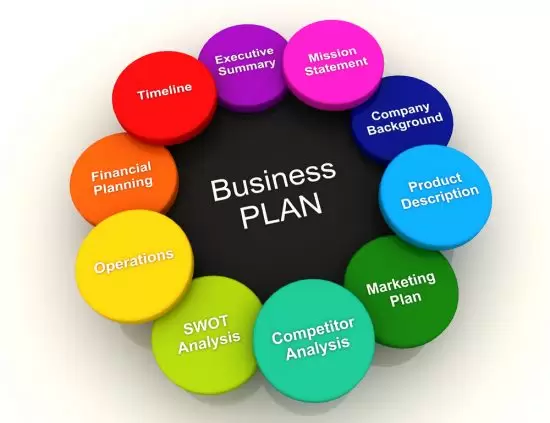
Your business plan should clearly explain what your business does, who your target customers are, how you plan to reach them, and how your business will generate income. It should also include details about your products or services, pricing strategy, startup costs, expected revenue, and long-term goals. Keeping your plan realistic and regularly updating it as your business grows will help you stay focused and adapt to changing market conditions.
Even a simple business plan helps you stay organized and measure your progress over time.
Step 4: Register Your Business
Operating legally builds trust with customers and protects your business.
Depending on your country or region, you may need to:
Understanding local regulations before launching your business can help you avoid future legal issues.
Step 5: Set Up Your Business Finances
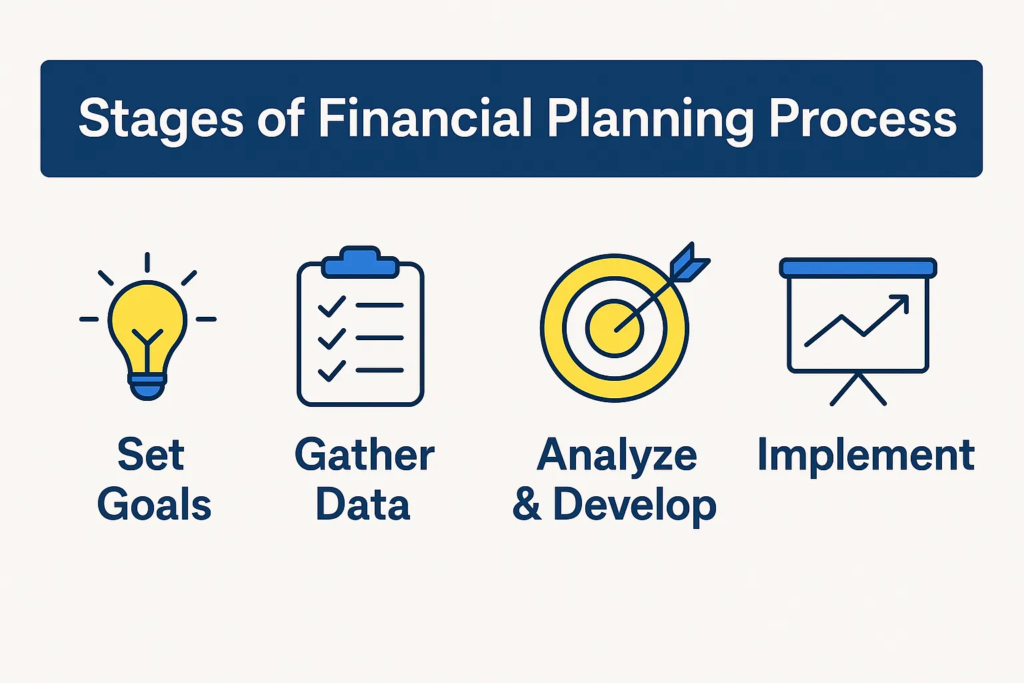
Good financial management is essential from day one.
Estimate your startup costs, including equipment, inventory, marketing, website development, software subscriptions, and operating expenses.
To keep your finances organized, regularly monitor important areas such as:
- Startup Costs: Calculate the money needed to launch your business.
- Monthly Expenses: Track costs like rent, salaries, utilities, subscriptions, and marketing.
- Revenue: Monitor how much income your business generates.
- Cash Flow: Ensure that more money is coming in than going out.
- Taxes: Keep records of income and expenses to make tax filing easier.
- Emergency Fund: Set aside savings to handle unexpected business expenses.
Using accounting software or bookkeeping tools can help you keep accurate financial records and make smarter decisions.
Step 6: Build a Strong Brand

A strong brand helps your business stand out from the competition and creates a lasting impression on customers. Your brand is more than just a logo or a business name—it’s the overall identity of your business and how people perceive it. A professional and consistent brand builds trust, increases recognition, and encourages customers to choose your products or services over others.
Step 7: Build Your Online Presence
Today’s customers often search online before making a purchase. Even local businesses benefit from having a strong digital presence.
Your online presence should include:
Being easy to find online increases your visibility and credibility.
Step 8: Create an Effective Marketing Strategy
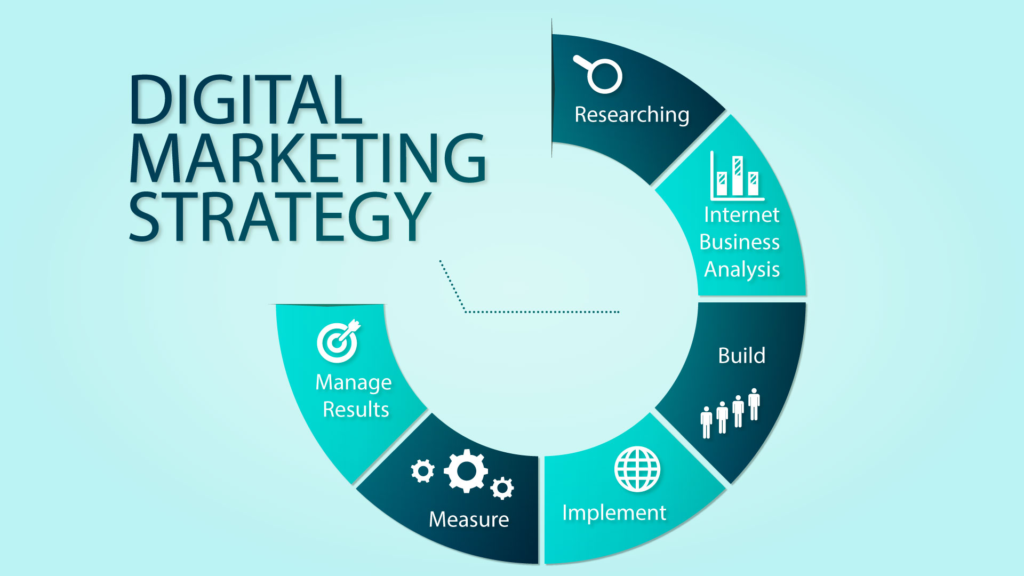
Marketing helps attract potential customers and grow your business.
A well-planned marketing strategy is essential for attracting customers and growing your business. Even if you have an excellent product or service, people need to know about it before they can become customers. A successful marketing strategy helps you reach your target audience, build brand awareness, generate leads, and increase sales.
Start by identifying where your ideal customers spend their time, whether it’s on search engines, social media platforms, email, or local communities. Then choose marketing channels that best suit your business and budget. Focus on creating valuable content, engaging with your audience, and consistently promoting your products or services. Remember that successful marketing is about building relationships and trust, not just making sales.
Step 9: Deliver Outstanding Customer Service
Excellent customer service is one of the most effective ways to grow a business.
Respond to customer questions promptly, communicate clearly, resolve issues professionally, and ask for feedback after each sale.
Satisfied customers are more likely to leave positive reviews, recommend your business to others, and become repeat buyers.
Step 10: Use Technology to Improve Efficiency

Technology allows small businesses to compete more effectively.
Technology can help small businesses save time, reduce manual work, and improve overall efficiency. Accounting software simplifies bookkeeping, tracks income and expenses, and generates financial reports. Customer Relationship Management (CRM) systems help manage customer information, monitor sales, and strengthen client relationships. Project management platforms keep teams organized by tracking tasks, deadlines, and collaboration in one place.
Automating routine tasks saves time and allows you to focus on growing your business.
Common Mistakes to Avoid
Many entrepreneurs make avoidable mistakes during the early stages of business.
Some of the most common include:
- Skipping market research
- Underestimating startup costs
- Ignoring customer feedback
- Poor financial planning
- Trying to target everyone
- Neglecting online marketing
- Giving up too quickly
Learning from these mistakes can save both time and money.
Tips for Long-Term Business Growth
Growing a business requires continuous improvement.
Long-term business success depends on continuous learning and improvement. Keep developing new skills to stay competitive and improve your ability to manage different aspects of your business. Stay informed about industry trends so you can identify new opportunities and respond to changing customer needs. Building strong relationships with your customers by providing excellent service and listening to their feedback helps create trust and encourages repeat business.
Small improvements made consistently often lead to significant results over time.