Automation is transforming the way modern businesses operate by reducing manual work, improving efficiency, and increasing productivity. Combined with Artificial Intelligence (AI), automation enables organizations to streamline workflows, automate repetitive tasks, enhance customer experiences, and make smarter business decisions. Whether you run a small business or a large enterprise, adopting AI-powered automation can help save time, lower operational costs, and drive long-term growth in today’s competitive digital landscape.
This technological shift has turned software from a simple, passive storage utility into an active, cognitive collaborator that works alongside human teams. From agile startups scaling their operations without massive hiring spikes to multi-national conglomerates streamlining global supply lines, AI automation has become the definitive competitive differentiator. Standing on the sidelines of this revolution is no longer an option; organizations that fail to integrate intelligent automation risk being outpaced by nimble, tech-native competitors who can process data, serve customers, and launch products at a lightning-fast digital scale.
Decoding AI-Powered Automation

To fully grasp the magnitude of this shift, we must look closely at how this technology operates. At its core, AI-powered automation is the strategic blending of cognitive intelligence with execution software. Traditional automation software can be thought of as a simple train track; it moves an asset from point A to point B seamlessly, but if an obstacle falls on the tracks, the entire system crashes.
[ Traditional Automation ] ──► Follows Rigid Rules  ──► Breaks On New Variables

[ AI-Powered Automation  ] ──► Learns From Data Pattern ──► Adapts To Variable Shifts
An AI-powered automation system, however, possesses a digital brain. It doesn’t just execute a pre-written script; it continuously analyzes incoming data streams, recognizes complex behavioral patterns, learns from historical outcomes, and makes autonomous decisions on the fly. This sophisticated capability allows modern systems to handle highly variable, unstructured data—such as reading a messy, handwritten customer email, interpreting its underlying emotional tone, pulling the relevant account details, and drafting a highly accurate, personalized solution with zero human intervention required.
The Compelling Corporate Push Toward Autonomous Systems
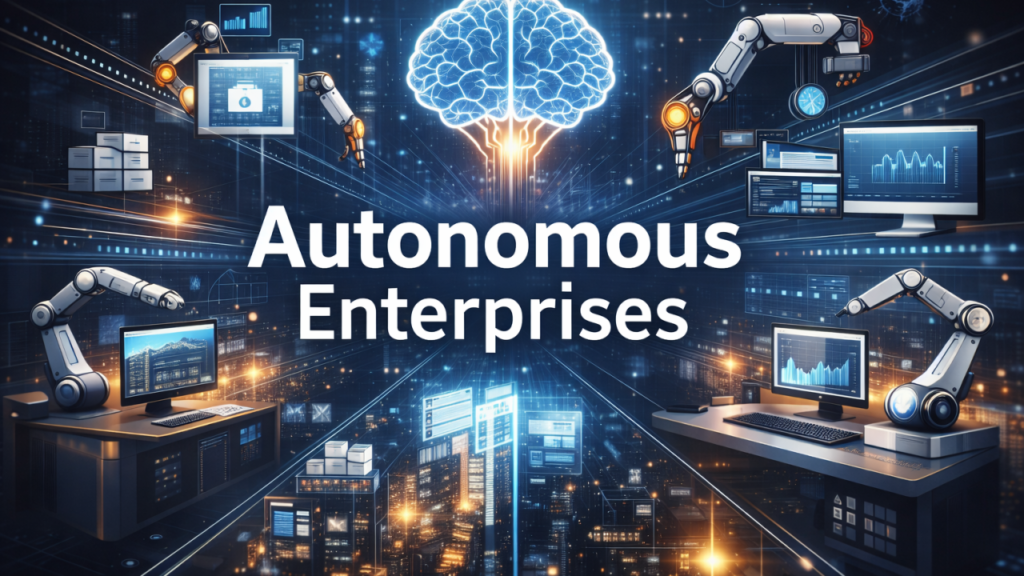
The global market has become incredibly demanding, with consumers expecting immediate responses, hyper-personalized interactions, and flawless service delivery around the clock. Attempting to meet these high-pressure demands using manual human labor alone is an absolute recipe for operational bottlenecks, catastrophic employee burnout, and massive financial overhead.
By handing over high-volume administrative tasks to autonomous software systems, companies can drastically shrink their operational cycles from days to mere milliseconds. The true beauty of this transition lies in its profound impact on human capital. When employees are completely liberated from the mind-numbing loops of manual data entry, routine copy-pasting, and sorting spreadsheets, they can re-channel their creative energy, emotional intelligence, and strategic thinking into high-value initiatives that directly drive business innovation and customer satisfaction.
The Concrete Financial and Operational Rewards
When an organization successfully commits to deploying intelligent automation networks across its core operations, the resulting corporate benefits stack up rapidly, creating a powerful compounding effect on the bottom line.
The Strategic Value Checklist
- Drastic Cost Optimization: Automating repetitive operational pipelines allows companies to significantly lower overhead expenses and reallocate capital toward research and market expansion.
- Eliminating Human Error Margins: Software systems do not experience exhaustion, distraction, or fatigue, resulting in flawless data accuracy across complex financial, legal, and compliance records.
- Unprecedented Operational Scale: AI engines can simultaneously process millions of transactional loops or client queries twenty-four hours a day, without needing to expand physical office footprints.
- Predictive Market Insights: By analyzing historical operational data in real time, automated pipelines can instantly spot emerging supply chain bottlenecks or consumer trends before they harm revenue.
Mapping AI Automation Across Corporate Ecosystems
Intelligent automation is not a niche tool restricted to a single department; it acts as an ambient layer that can completely transform every single branch of a modern corporate ecosystem.
                           [ Central Enterprise Data Core ]
                                          │
         ┌───────────────────┬────────────┴────────────┬───────────────────┐
         ▼                   ▼                         ▼                   ▼
  [ Smart Chatbots ]   [ Dynamic Ad Yields ]   [ Auto-Invoicing ]   [ Smart CV Screening ]
         │                   │                         │                   │
  (Customer Support)      (Marketing)              (Finance)           (Human Resources)
In customer care departments, smart virtual assistants resolve complex inquiries instantly, completely erasing waiting queues. Marketing divisions utilize AI to dynamically adjust ad spend, segment target audiences, and deploy personalized content based on real-time browsing behaviors. Within finance wings, automated systems process invoices, audit expense reports, and flag fraudulent transactions instantly. Simultaneously, human resource professionals leverage intelligent software to screen thousands of job applications, coordinate interview calendars, and streamline onboarding workflows, shifting the HR focus entirely back to human connection.
Transforming the Frontiers of Customer Experience
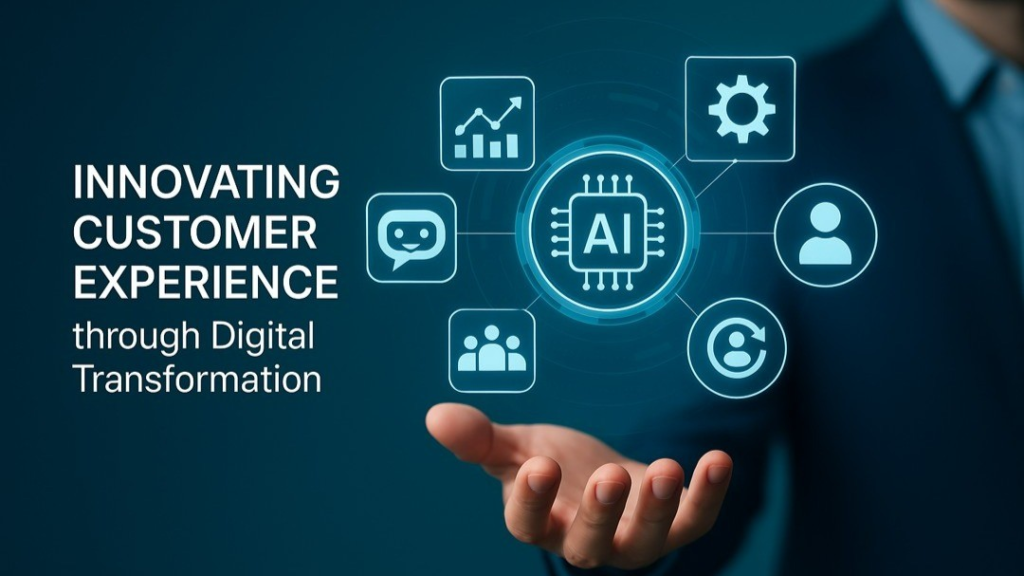
The customer support department has become the absolute frontline for AI implementation. The old days of frustrating, mechanical chat templates that could only provide preset links are gone; modern conversational AI agents utilize advanced large language models to interact with humans naturally.
These intelligent assistants carry on deep, fluid conversations, pick up on subtle contextual details, and access internal databases to solve real account issues immediately, 24/7. They can instantly process a product return, update a subscription tier, or track a lost package in any language on earth. By handling up to eighty percent of routine inbound tickets autonomously, these smart systems dramatically lower operational pressure on human customer service teams, allowing human professionals to dedicate their focus to resolving highly sensitive, emotionally complex client frustrations.
Streamlining Intricate Workflows
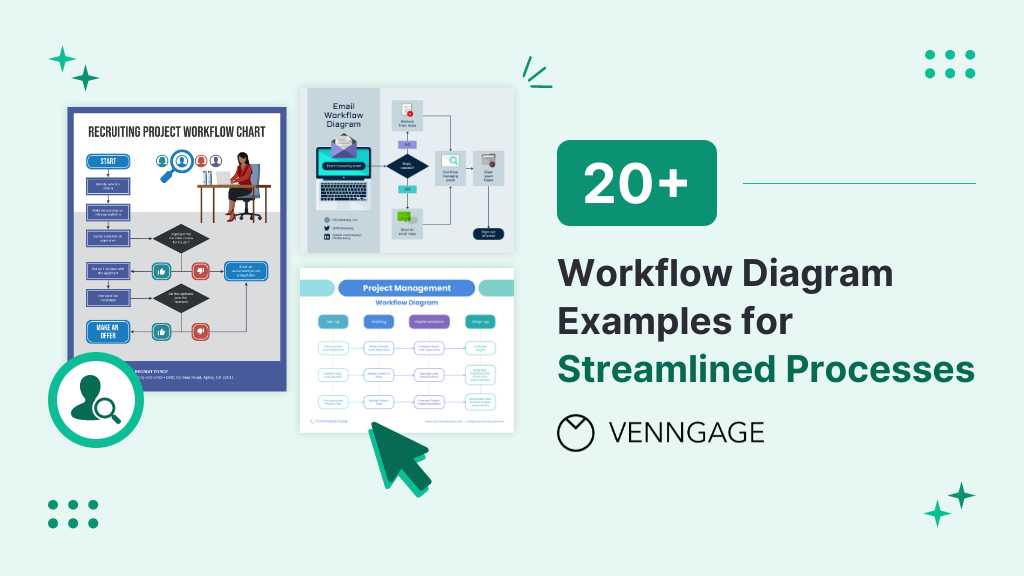
Beyond customer interactions, internal operations often suffer from invisible administrative friction—the endless delays caused by waiting for manual document approvals, data transfers, and project handoffs. AI-powered workflow automation acts as an intelligent digital conductor for internal business data.
  [ New Invoice Received ] ──► [ AI Extracts Labeled Data ] ──► [ Automated Compliance Check ]
                                                                             │
                                                                             ▼
  [ Instant Wire Release ] ◄── [ Automated Manager Ping   ] ◄────────────────┘
When an invoice enters a business network, natural language models can instantly read the document, extract key metadata, verify the charge against a purchase order, and route it to the correct executive for approval. If the system notices a discrepancy, it flags the issue and pings the vendor automatically. By completely automating these administrative loops, companies eliminate structural bottlenecks, keep projects moving forward seamlessly, and build an agile, hyper-efficient workplace.
Precision Marketing and Sales Optimization
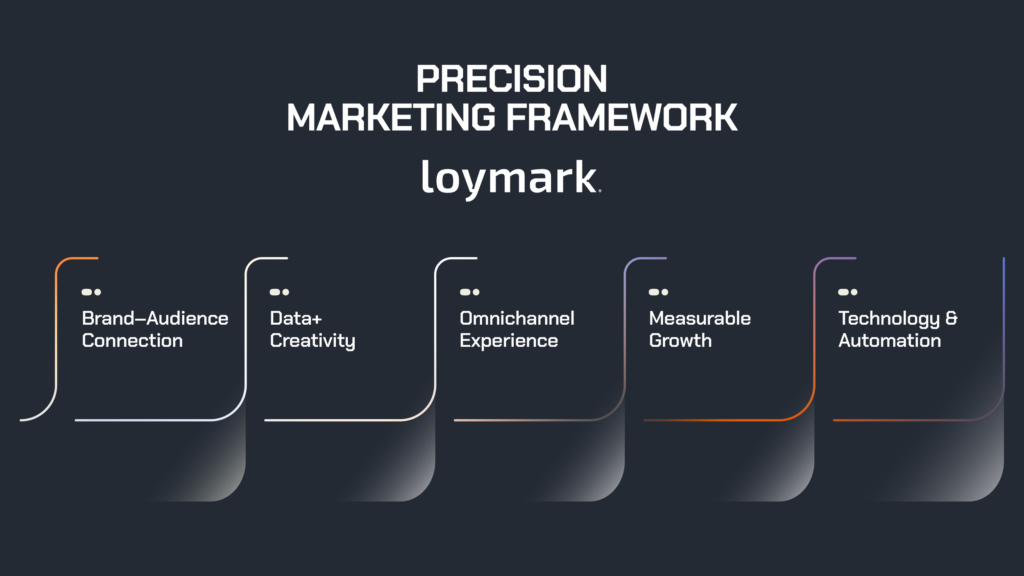
Modern marketing departments generate mountain ranges of behavioral data, but translating that raw data into profitable sales can be incredibly difficult. AI automation engines act as a continuous bridge between data collection and behavioral execution.
Rather than blasting an entire database with a single generic email message, intelligent marketing platforms automatically track individual user interactions to build highly unique content flows. If a user browses a specific software tier, the system can instantly deploy tailored educational videos or custom discount codes at the exact millisecond they are most likely to convert. For outbound sales representatives, predictive lead-scoring systems analyze historical customer profiles to tell salespeople exactly which prospects to call first, maximizing closing rates and optimizing business development pipelines.
Data-Driven Decision-Making at Institutional Scale
Data has firmly established itself as the core currency of our global economy, but raw data is completely useless without an efficient way to analyze it. AI-powered analytics platforms function as a hyper-intelligent filter, transforming chaotic data lakes into clear, actionable business strategies.
| Department | Automated AI Analysis Task | Executive Strategic Outcome |
| Retail & E-Commerce | Tracking seasonal purchasing patterns. | Optimized inventory tracking with zero overstock waste. |
| Logistics & Supply | Monitoring real-time global weather and port traffic. | Dynamic rerouting of shipments to prevent delivery delays. |
| SaaS & Tech Platforms | Analyzing user engagement dips and behavior shifts. | Proactive customer retention outreach before churn occurs. |
These intelligent analytical networks completely strip the dangerous guesswork out of corporate leadership, allowing executives to base their long-term growth roadmaps on concrete, real-time data realities rather than speculative gut feelings.
Navigating the Human Challenges of Automated Systems
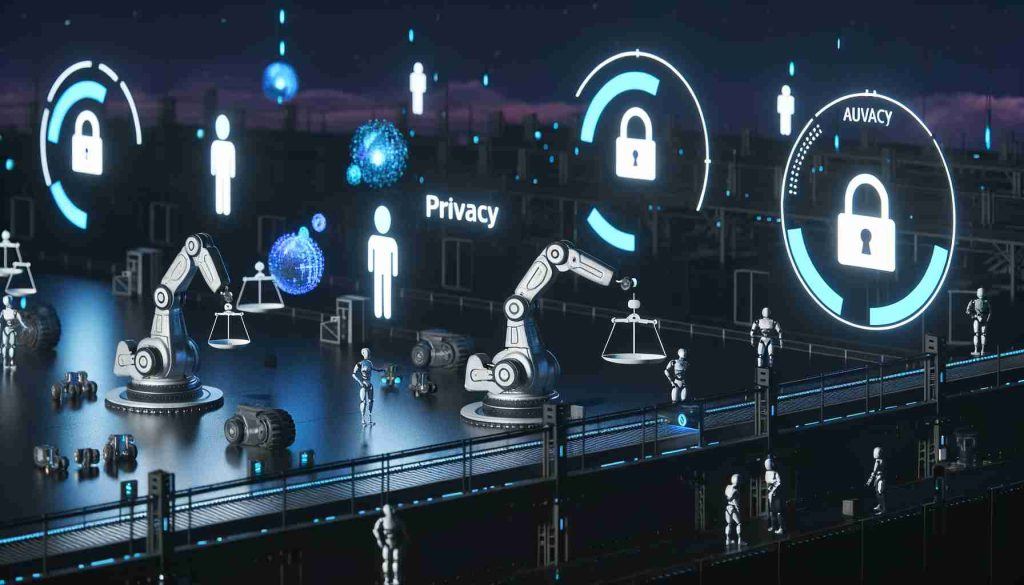
While the operational advantages of intelligent systems are completely undeniable, walking down the path of automation without a clear strategy can introduce a complex maze of organizational hurdles and cultural friction.
One of the biggest obstacles is the natural, underlying fear within employee teams that software will eventually make their human roles obsolete. To overcome this cultural barrier, leadership teams must reframe automation as an empowering workspace upgrade rather than a replacement tool. Companies must commit to heavy upskilling programs, actively training their staff to become elite supervisors, prompt engineers, and ethical guardians of the AI systems. Additionally, organizations must carefully address stringent data privacy compliance, cybersecurity vulnerabilities, and high initial setup costs by building bulletproof, transparent implementation plans.
Best Practices for Designing a Seamless Automation Roadmap
To extract maximum value from your software investments, you must completely avoid the temptation to automate every single department at the exact same time. Successful digital transformation requires an incremental, highly strategic approach.
The Automation Rollout Framework
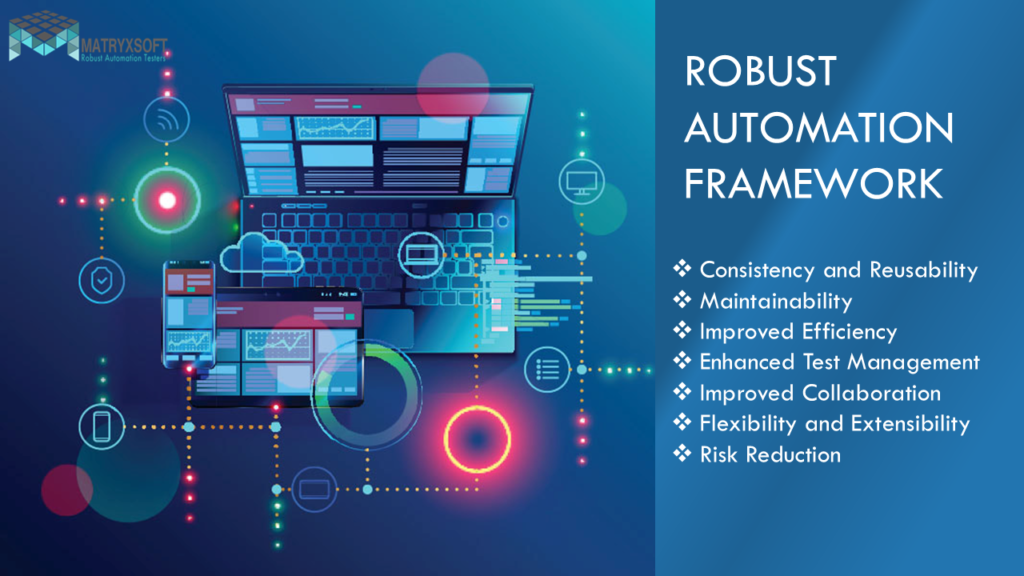
- Audit Your Internal Friction: Spend time interviewing your staff to locate the most boring, repetitive, time-consuming tasks that drag down their daily productivity.
- Define Concrete Success Metrics: Set clear, measurable goals for your pilot projects, such as reducing support ticket response times by 50% or auto-processing 100% of vendor invoices.
- Launch Controlled Pilot Projects: Deploy your automation software within a single, isolated workflow first, allowing your technical teams to safely iron out algorithmic bugs without disrupting core customer services.
- Gather Continuous Team Feedback: Constantly ask your employees how the software feels to use, and continuously optimize the integration loops to ensure maximum workplace adoption.
The Horizon of Hyper-Automation
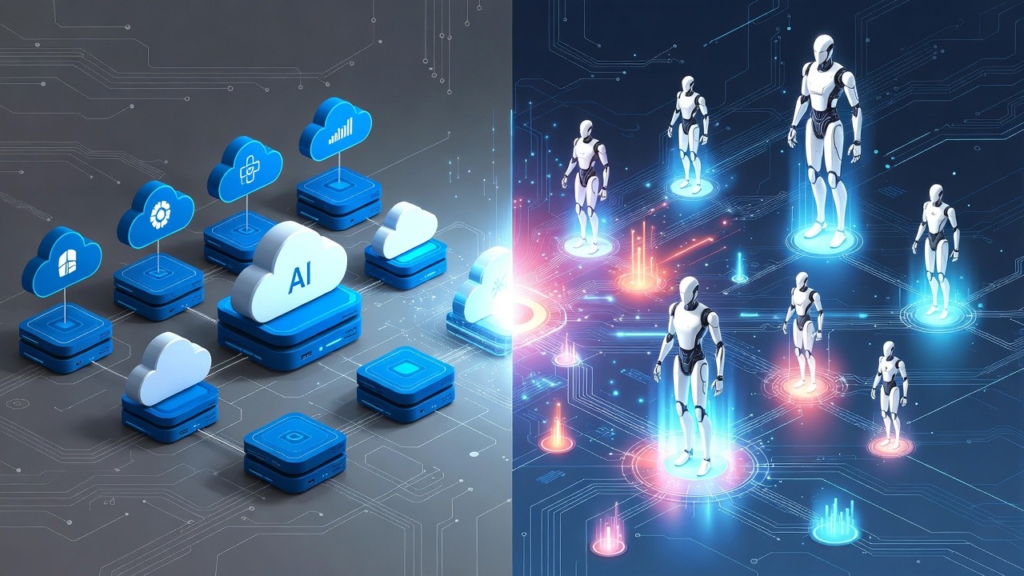
As we look toward the future of the digital marketplace, the capabilities of automated business systems are set to expand exponentially. We are rapidly moving past basic task automation and stepping directly into the era of hyper-automation—where interconnected networks of AI models run entire business ecosystems autonomously.
Future business tools will feature deeply proactive, autonomous reasoning loops. Imagine an e-commerce infrastructure that doesn’t just track your declining warehouse stock, but actively monitors shifting global consumer trends, autonomously negotiates pricing with international suppliers, places optimized manufacturing orders, and crafts customized marketing rollouts without a human executive ever needing to approve the loop. These advanced, self-optimizing business frameworks will turn operational agility into an absolute art form, allowing human creators to focus entirely on deep innovation, brand philosophy, and human connection.
Embracing the Autonomous Era
At the end of the day, AI-powered automation is not a distant tech-futurist dream; it is an active, undeniable reality that is completely reshaping the core foundations of global commerce right now. From customer support lines to advanced financial tracking, intelligent software is showing businesses how to work with unprecedented speed, accuracy, and scalability.
Investing in these cognitive tools is no longer about finding a quick way to trim your quarterly expenses; it is a vital investment in the long-term resilience and survival of your organization. By thoughtfully blending the emotional intelligence and creative vision of your human teams with the raw analytical speed of automated software, you can build a highly responsive, data-driven enterprise. Step into this bold digital evolution, optimize your workflows, and harness the incredible power of intelligent automation to secure sustainable business growth for generations to come.