Digital marketing has become one of the most important tools for businesses in the modern world. As consumers spend more time online, companies must find effective ways to reach their target audiences through digital channels. Whether you are a small business owner, entrepreneur, or marketing professional, understanding digital marketing is essential for achieving long-term success.
Unlike traditional marketing methods, digital marketing offers businesses the ability to connect directly with customers, track performance in real time, and adjust strategies based on measurable results. This makes it one of the most cost-effective and powerful ways to grow a brand and increase revenue.
This guide explores the key elements of digital marketing and explains how businesses can use them to build a strong online presence and achieve sustainable growth.
What Is Digital Marketing?
Digital marketing refers to the promotion of products, services, or brands using online platforms and digital technologies. It includes a wide range of activities such as search engine optimization, content marketing, social media marketing, email marketing, and paid advertising.
The goal of digital marketing is to attract potential customers, engage them with valuable content, and convert them into loyal buyers. Because most consumers now use the internet to research products and services, businesses that invest in digital marketing often gain a competitive advantage.
Digital marketing allows companies to target specific audiences, personalize messages, and measure campaign performance with greater accuracy than traditional marketing methods.
Why Digital Marketing Matters

The internet has changed the way people make purchasing decisions. Before buying a product or service, consumers often search online for reviews, comparisons, and recommendations.
A strong digital presence helps businesses become visible during this research process. When customers can easily find information about a company online, they are more likely to trust the brand and make a purchase.
Digital marketing also provides opportunities for businesses to interact directly with customers. This interaction helps build relationships, improve customer satisfaction, and increase loyalty.
In addition, digital marketing offers flexibility and scalability. Businesses can start with a small budget and gradually expand their marketing efforts as they grow.
Search Engine Optimization (SEO)
Search Engine Optimization, or SEO, is one of the most effective digital marketing strategies. SEO focuses on improving a website’s visibility in search engine results.
When people search for information online, they typically click on the first few results they see. A higher ranking can significantly increase website traffic and generate more potential customers.
Effective SEO involves several factors, including keyword research, website optimization, high-quality content creation, and link building. Businesses that consistently invest in SEO can benefit from long-term organic traffic without paying for every visitor.
SEO requires patience, but its long-lasting benefits make it one of the most valuable marketing investments.
Content Marketing
Content marketing is the process of creating valuable and relevant content to attract and engage a target audience.
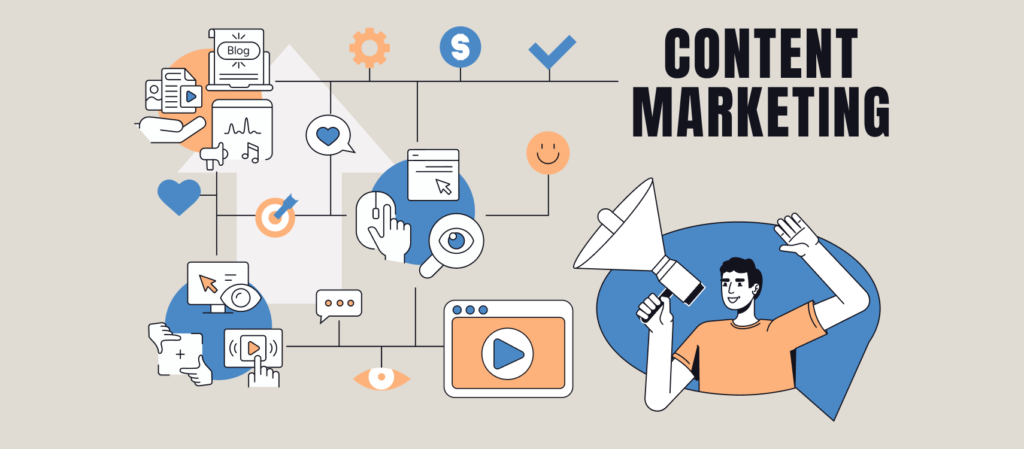
Content can take many forms, including blog posts, videos, guides, infographics, podcasts, and case studies. The purpose of content marketing is not simply to sell products but to provide useful information that helps potential customers solve problems.
High-quality content builds trust and establishes authority within an industry. When customers view a company as a reliable source of information, they are more likely to choose that company when making purchasing decisions.
Content marketing also supports SEO by providing search engines with valuable information to index and rank.
Social Media Marketing
Social media has become an essential part of everyday life. Platforms such as Facebook, Instagram, LinkedIn, TikTok, and X allow businesses to connect directly with consumers.
Social media marketing helps brands increase visibility, engage with audiences, and drive traffic to websites. Businesses can share updates, promote products, answer customer questions, and create communities around their brands.
Successful social media marketing requires consistency and authenticity. Audiences respond positively to brands that communicate honestly and provide meaningful value.
By understanding audience preferences and creating engaging content, businesses can strengthen relationships and improve brand recognition.
Email Marketing

Email marketing remains one of the highest-performing digital marketing channels. Despite the growth of social media and other platforms, email continues to deliver strong results.
Businesses use email marketing to communicate with customers, promote products, share updates, and nurture leads. Personalized emails often generate higher engagement because they address individual interests and needs.
Successful email campaigns focus on delivering value rather than overwhelming subscribers with promotional messages. Educational content, special offers, and useful insights can help maintain subscriber interest and build long-term customer relationships.
Email marketing is particularly effective because it allows businesses to communicate directly with people who have already shown interest in their products or services.
Pay-Per-Click Advertising (PPC)
Pay-Per-Click advertising is a method of driving traffic through paid advertisements. Businesses pay only when users click on their ads.
PPC campaigns can appear on search engines, social media platforms, and other websites. One of the biggest advantages of PPC advertising is speed. Businesses can generate traffic and leads almost immediately after launching a campaign.
To achieve success with PPC, marketers must carefully select keywords, create compelling advertisements, and optimize landing pages. Regular monitoring and adjustments help improve performance and maximize return on investment.
While PPC requires financial investment, it can be highly effective when managed properly.
Mobile Marketing
The widespread use of smartphones has made mobile marketing more important than ever. Consumers use mobile devices to browse websites, shop online, watch videos, and interact with brands.
Businesses must ensure their websites are mobile-friendly and easy to navigate on smaller screens. Slow-loading websites and poor mobile experiences can drive potential customers away.
Mobile marketing also includes SMS campaigns, mobile apps, and location-based promotions. By focusing on mobile users, businesses can reach customers wherever they are and improve overall engagement.
The Importance of Analytics
One of the greatest advantages of digital marketing is the ability to measure results accurately. Analytics tools provide valuable insights into customer behavior and campaign performance.
Businesses can track metrics such as website traffic, conversion rates, engagement levels, and customer acquisition costs. These insights help marketers understand what is working and identify areas for improvement.
Data-driven decision-making allows businesses to optimize campaigns, allocate resources effectively, and achieve better outcomes over time.
Companies that regularly analyze performance data are more likely to achieve consistent growth and marketing success.
Building a Strong Brand Online
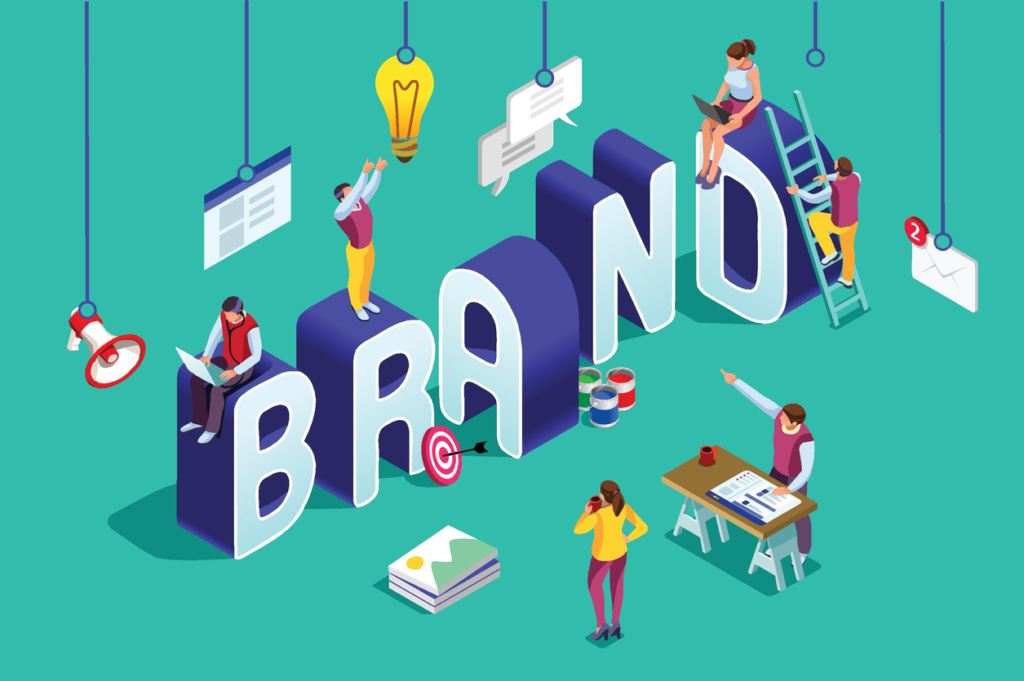
A successful digital marketing strategy goes beyond generating traffic and sales. Building a strong brand is equally important.
A strong brand creates trust, credibility, and recognition. Customers are more likely to choose brands they know and trust.
Businesses can strengthen their brand by maintaining consistent messaging, creating valuable content, and providing excellent customer experiences. Positive customer reviews and testimonials also contribute to brand reputation.
Consistency across websites, social media channels, and marketing campaigns helps reinforce brand identity and improve customer confidence.
Common Digital Marketing Mistakes
Many businesses fail to achieve results because they make common mistakes. One mistake is focusing solely on sales without providing value to customers.
Another mistake is ignoring audience research. Understanding customer needs is essential for creating effective marketing campaigns.
Some businesses also neglect mobile optimization, fail to monitor analytics, or publish inconsistent content. These issues can reduce marketing effectiveness and limit growth opportunities.
Avoiding these mistakes can significantly improve digital marketing performance.
Future Trends in Digital Marketing

Businesses that stay informed about emerging trends and adapt their strategies accordingly will be better positioned for future success.
Conclusion
Digital marketing has become a critical component of business success in today’s connected world. Through SEO, content marketing, social media, email campaigns, PPC advertising, and mobile marketing, businesses can reach larger audiences and build meaningful customer relationships.
Success in digital marketing requires a clear strategy, consistent effort, and a willingness to adapt to changing consumer behaviors and technological advancements. By focusing on delivering value, understanding customer needs, and using data to guide decisions, businesses can create effective marketing campaigns that drive long-term growth.
The digital landscape will continue to evolve, but the principles of providing value, building trust, and engaging customers will always remain at the heart of successful digital marketing.
FAQ’s
1. What is digital marketing?
Digital marketing is the promotion of products or services using online channels such as websites, social media, email, and search engines.
2. Why is SEO important?
SEO helps websites rank higher in search results, increasing visibility and organic traffic.
3. Is social media marketing necessary?
Yes, social media helps businesses engage with audiences, build brand awareness, and drive website traffic.
4. How long does digital marketing take to show results?
Paid advertising can produce quick results, while SEO and content marketing often take several months.
5. What is the biggest benefit of digital marketing?
The biggest benefit is the ability to reach targeted audiences and measure results accurately.