If you run a business today, you likely know the exhaustion of endless manual tasks. Imagine a local boutique owner named Maya. On Sunday evenings, she used to sit hunched over a laptop, manually uploading photos across four different apps, wrestling with scheduling tools, and trying to guess which hashtags would actually work on TikTok versus Instagram. By the time she finished prepping her weekly posts, she was far too drained to handle the thing that actually drives revenue: answering direct messages from customers asking about store hours and product availability.
In 2026, that manual grind is completely outdated. Driven by the explosion of visual social search and intelligent AI workflows, the digital ecosystem has evolved. Social media is no longer a secondary marketing task where you post an image once or twice a week; it has become the primary discovery engine for modern consumers. People do not just scroll for entertainment anymore—they search for products, read authentic customer reviews, and seek immediate, direct customer service right inside their favorite apps.
To thrive in this environment, modern brands are dropping disjointed, single-purpose apps and moving toward unified social management platforms that centralize scheduling, social listening, customer communication, and data analytics under one roof.
10 Top Social Listening Platforms for 2026
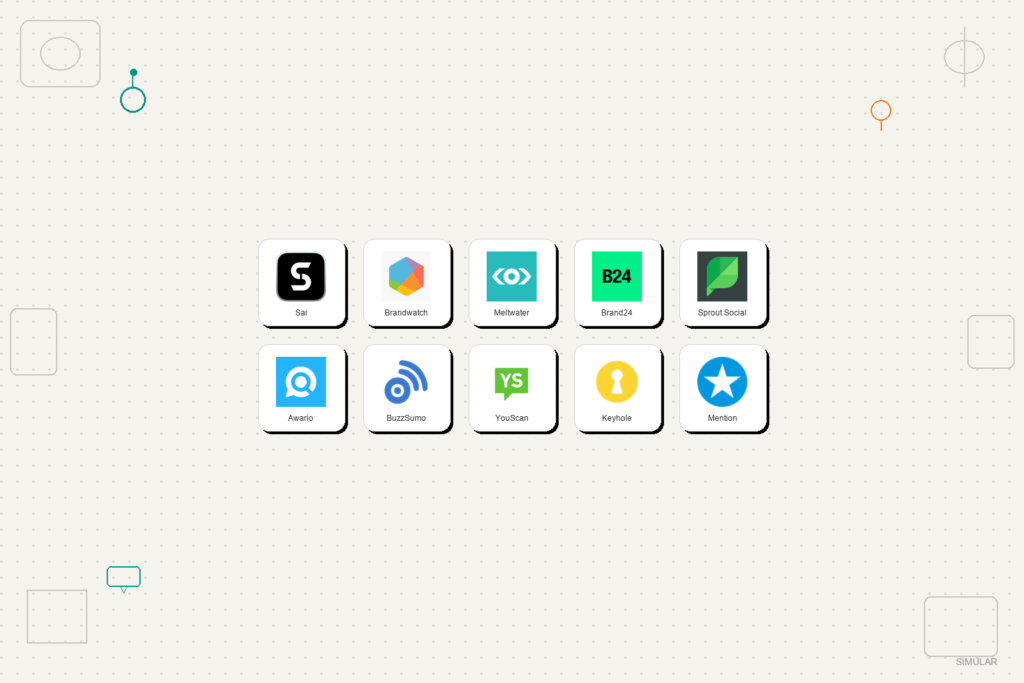
When choosing software to monitor your online presence, analyze audience sentiment, and track competitive movements across the web, different platforms serve vastly different business needs. Below is a quick overview of the top 10 tools currently shaping the industry:
| Tool | Best Suited For | Core Strength |
| 1. Hootsuite | Comprehensive Social Listening | Deep enterprise monitoring across multiple social networks. |
| 2. Brand24 | Sentiment Analysis & Brand Protection | Real-time sentiment tracking and instant crisis alerts. |
| 3. BrandMentions | Web & Social Mentions | Tracking brand visibility and keyword mentions across web & social. |
| 4. YouScan | Market Researchers | Visual listening using AI image recognition to analyze photos. |
| 5. Semrush | All-in-One Digital Marketing | Combining search engine optimization (SEO) with social tracking. |
| 6. Agorapulse | Easy Community Management | Highly intuitive interface with a powerful unified inbox. |
| 7. BuzzSumo | Startups & Content Creators | Identifying trending topics and high-performing content ideas. |
| 8. Buffer | Small Businesses & Solopreneurs | Simple, budget-friendly scheduling and light monitoring. |
| 9. Digimind | Growing Teams | Scalable intelligence for competitive analysis and consumer insights. |
| 10. Sprout Social | B2B & Enterprise Teams | High-end reporting, CRM integration, and customer support tools. |
How Social Media Management Has Evolved in 2026
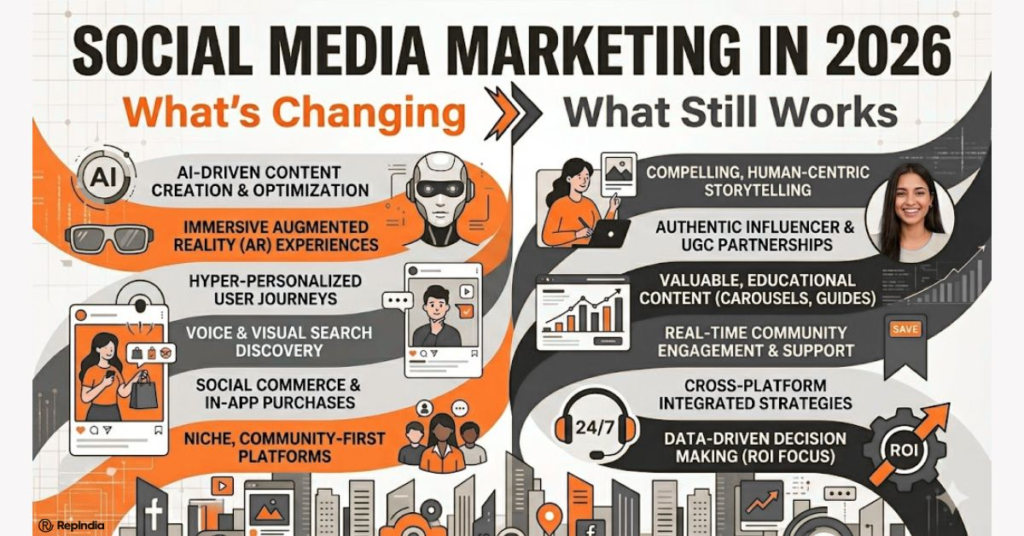
The definition of a “social media tool” has shifted dramatically. Gone are the days when a basic content calendar tool was enough to keep a brand visible. Today’s software functions as a mission control center for your brand’s digital identity.
       [ Content Creation & Repurposing ]
                      │
                      ▼
[ Multi-Channel ] ───► [ UNIFIED PLATFORM ] ◄─── [ Social Listening ]
  [ Publishing  ]              │                   [ & Sentiment   ]
                               ▼
                   [ CRM & Revenue Analytics ]
The defining trend in 2026 is the smooth integration of artificial intelligence that assists at every stage of the publishing lifecycle:
- Idea Generation: Analyzing high-performing trends in your specific niche to suggest topics.
- Smart Content Slicing: Automatically turning a long blog post, video, or podcast episode into multiple short clips, visual quotes, or text posts suitable for different channels.
- Platform-Specific Adaptation: Modifying the same core message so it matches the informal tone of TikTok, the visually focused nature of Instagram, or the professional language of LinkedIn.
Key Features You Need in a Modern Social Suite
Choosing software from a crowded market can feel overwhelming. To ensure your stack is built for modern demands, look for these key capabilities:
1. Unified Social Inbox
Instead of logging into five individual apps to check messages, a unified inbox funnel every Direct Message (DM), public comment, and brand tag into a single feed. This setup helps teams respond faster, tag conversations for follow-up, and ensure no customer inquiry slips through the cracks.
2. AI-Assisted Content Production
Generative AI handles the tedious groundwork of drafting posts, suggesting platform-tailored hashtags, and outlining post structures, freeing up human creators to refine the final message and ensure brand alignment.
3. Cross-Platform Visual Publishing
A centralized, visual calendar gives you a bird’s-eye view of your posting schedule across every channel—including YouTube Shorts, Instagram Reels, TikTok, and LinkedIn—helping you spot content gaps before they happen.
4. Direct CRM and Revenue Tracking
Modern tools link directly to your Sales or Customer Relationship Management (CRM) system, letting you track a user’s path from their initial comment on a social post to their eventual purchase on your website.
Why “Point Solutions” Fail Growing Businesses

Many small business owners start out using a piecemeal strategy: one app for image editing, a second for scheduling, a third for review management, and a spreadsheets file to track analytics. While this approach seems low-cost initially, it quickly creates significant problems:
- Fragmented Data: When your direct messages live in one app and your sales data lives in another, you cannot accurately trace which campaigns drive real revenue versus empty views.
- Wasted Hours: Switching continuously between ten different browser tabs wastes time and increases operational friction.
- Slower Support: Missing a customer complaint because it came through an unmonitored platform can hurt your brand reputation quickly.
Centralizing these tasks into one connected workspace cuts down on operational mess, lowers software overhead, and gives you a clear view of your audience interactions.
Advanced Community Building & Real-Time Social Listening
Engagement in 2026 goes far beyond replying with simple emojis to pleasant comments. It requires active community building and strategic listening across the entire web.
[ Keyword Search ] ──► [ AI Sentiment Filter ] ──► [ Categorized Alert ] ──► [ Team Action ]
  (Brand/Product)       (Positive / Negative)       (Crisis / Opportunity)     (Reply / Update)
Modern social listening tools scan millions of web pages, blogs, forums, and social posts to gather unstructured public feedback and organize it into actionable steps:
- Keyword & Brand Tracking: Track mentions of your brand name, products, executives, and core keywords—even when users don’t directly tag your profile
@handle. - Competitor Benchmarking: Monitor public sentiment and feature releases from competitors to spot market gaps and unaddressed customer needs.
- Reputation Management & Crisis Alerts: Automated sentiment detection flags negative spikes in real time, letting your team address customer issues before they escalate.
- Centralized Bio Links: Use responsive link-in-bio landing pages to route social traffic straight to specific products, campaigns, or booking pages.
Striking the Balance: AI Efficiency vs. Human Authenticity
While automation forms the operational backbone of modern digital marketing, over-relying on purely AI-generated text or generic stock imagery can make a brand feel distant and artificial. Audiences have developed a sharp eye for low-effort, automated feeds.
┌─────────────────────────────────────────────────────────┐
│              THE HUMAN-IN-THE-LOOP WORKFLOW             │
├─────────────────────────────────────────────────────────┤
│ 1. AI Drafts & Analyzes Data  ──► Speed & Scale         │
│ 2. Human Edits & Adds Context ──► Brand Voice & Empathy │
│ 3. Automated Scheduling       ──► Optimal Timing        │
└─────────────────────────────────────────────────────────┘
The most effective approach is a “human-in-the-loop” model:
- AI handles data parsing and first drafts: Generates initial caption options, organizes schedule times, and flags incoming message trends.
- Humans handle review and creative polish: A real person reviews the draft, adds personal anecdotes or brand nuance, approves tone, and manages sensitive customer situations directly.
This division of labor gives you the speed and consistency required by social algorithms without losing the genuine human connection that builds long-term brand loyalty.
Measuring ROI: Moving Beyond Vanity Metrics

Follower counts and raw “like” numbers look good on paper, but they rarely tell you if your social media strategy is helping your business grow. Modern platforms focus heavily on actionable metrics that link directly to commercial health:
- Conversion Tracking: Shows exactly which social updates, videos, or direct message conversations led directly to purchases, email signups, or contact forms.
- Audience Demographics & Intent: Reveals who is interacting with your content—their location, general interests, and purchasing behaviors—helping you refine your messaging.
- Peak Engagement Timing: Uses historical response data to identify when your target audience is active, automatically placing posts for maximum visibility.
- Unified Ad & Organic Dashboards: Merges organic engagement metrics with paid ad performance, giving you a full view of your total return on ad spend (ROAS).