If you’ve ever run a workshop or managed a marketing campaign, you know one thing for sure: everyone loves free tools.
Back in 2012, I started building a master list of free tools to help marketers get real insights without blowing their budgets. Over a decade later, despite the sudden explosion of Generative AI tools claiming to change the world overnight, the core foundation of digital marketing hasn’t changed all that much. The most effective strategies still rely on solid research, sharp customer insights, and steady execution.
Whether you’re running a neighborhood bakery, managing an e-commerce shop, or driving growth for a tech startup, you don’t need a massive software budget to get results.
Below is a hands-on guide covering key marketing activities, paired with the best free tools to help you plan, launch, and optimize your campaigns today.
1. Decoding Customer Search Behavior

To sell to your audience, you first need to understand what they’re searching for online. Getting inside your customer’s head helps you figure out what problems they are trying to solve.
- Google Keyword Planner: The classic choice for keyword research. Because it’s built directly into Google Ads, you’re getting data straight from the source. It helps you see how often people search for specific phrases so you can plan your content and ad spending. Pro tip: You get much more precise search volume data if you have an active ad campaign running.
- Google Search Console: While Keyword Planner helps you look forward, Search Console shows you what’s already working. It tells you which exact search terms are bringing people to your website and highlights technical issues that might be hurting your rankings.
- Screaming Frog (SEO Spider): A fantastic desktop tool that crawls your website just like Google does. The free version indexes up to 500 URLs, making it perfect for finding broken links, missing title tags, and duplicate content on smaller sites.
- Yoast SEO: If your website runs on WordPress, this plugin is a must-have. It gives you a simple green-light/red-light checklist to optimize your blog posts and pages before you hit publish.
2. Keeping Tabs on Brand Mentions & Industry Trends
Staying relevant means knowing what people are saying about your brand, your competitors, and your industry in real time.
- Google Alerts: A simple, set-it-and-forget-it tool. Enter your brand name, competitor names, or industry keywords, and Google will email you whenever new articles or blog posts mention them. (Note: It mostly indexes websites, so it misses social media chatter).
- Talkwalker Alerts: A great, free alternative to Google Alerts that monitors web mentions along with social media channels, giving you a broader view of public sentiment.
- Feedly: Content aggregators might feel a bit throw-back, but RSS readers remain the fastest way to digest news. Instead of opening 30 tabs every morning, feed your favorite industry blogs into Feedly to scan the day’s top headlines in five minutes flat.
3. Scheduling and Managing Social Media
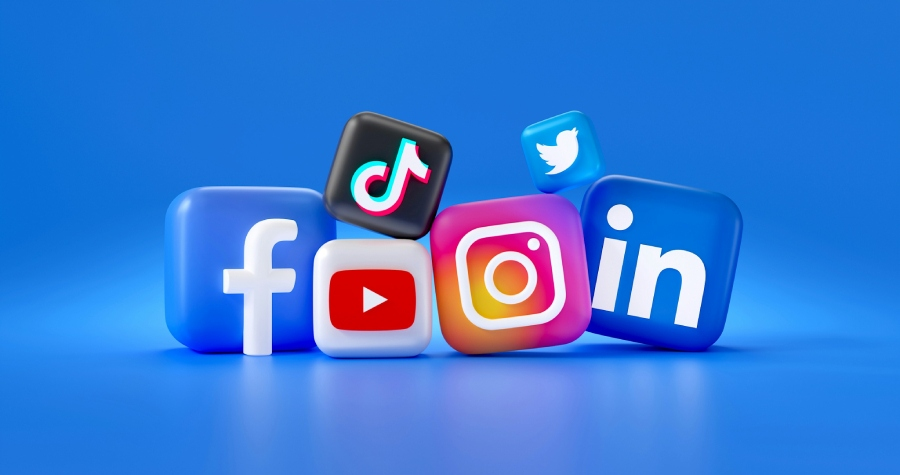
Posting on social media regularly shows potential customers that you are open, active, and trustworthy. But manually logging into four different platforms every day is a time trap.
- Buffer & Hootsuite: Both platforms offer great entry-level features for organizing your social channels. They allow you to schedule posts in advance, preview how your feed will look, and monitor comments in one place.
- Organic Social Posting: Never underestimate the simple power of a standard text or photo update. Posting organically 1 to 2 times a week keeps your business visible, improves your local search footprint, and keeps your audience engaged without costing a penny.
4. Tracking Down the Right Influencers
Working with creators can give your brand instant credibility, but finding the right fit without paying massive agency fees can be tricky.
- Manual Google & LinkedIn Searches: For B2B marketing, simple manual searches on LinkedIn remain the best free route. Look for active creators who regularly comment on and share industry insights.
- Collabstr & Impulze.ai: If you run a consumer brand (B2C), these freemium platforms let you browse databases of niche micro-influencers by location, platform, and industry category.
- Followerwonk: A handy tool for analyzing X (formerly Twitter) bios and follower profiles to find active voices in specific niches.
5. Winning the Local Game

If you run a local service, retail store, or restaurant, local marketing tools will often deliver your highest return on investment.
- Google Business Profile: Your single most important local asset. Claiming and optimizing this free profile ensures you show up on Google Maps and local search results. You can post updates, list your business hours, upload photos, and accept customer inquiries directly.
- Google Reviews: Word-of-mouth brought into the digital age. Asking happy customers to leave Google reviews builds immediate trust. Make it a habit to respond to every review—both positive and negative. A polite, helpful response to a bad review often impresses potential customers more than a 5-star rating with no reply.
- Nextdoor: A hyperlocal social network organized by neighborhood. Neighbors constantly use Nextdoor to ask for local business recommendations. Setting up a free business page lets you join local conversations and introduce your services to nearby residents.
6. Writing, Brainstorming, and Analyzing with AI
Artificial Intelligence tools have quickly become standard assistants for everyday marketing tasks.
- ChatGPT: The free version of ChatGPT is a great companion for beating writer’s block. Use it to brainstorm campaign angles, outline blog posts, draft social media captions, or rework tone for customer support emails.
- A quick word of caution: AI is an assistant, not an author. Always fact-check the statements, figures, and claims AI produces before publishing to keep your brand credible.
7. Reaching Inboxes Direct with Email Marketing
Email remains one of the highest-converting digital channels because you own the connection directly with your audience—no algorithm changes required.
- Mailchimp: Known for its easy drag-and-drop builder, Mailchimp offers a free plan designed for smaller lists. It gives you basic automation, clean newsletter templates, and subscriber management to help you launch email campaigns right away.