

Artificial intelligence is no longer a luxury exclusive to fortune-level enterprises. Small businesses are actively leveraging accessible and cost-effective AI solutions to eliminate repetitive workloads, refine customer service pipelines, and sharpen decision-making. Whether you operate an e-commerce store, a neighborhood service business, or a scaling digital agency, integrating AI allows you to maximize resources, cut overhead, and maintain a competitive edge without expanding headcount.
Understanding AI in the Small Business Context

At its core, artificial intelligence for small enterprises is about smart operational assistance. It does not replace human ingenuity; instead, it acts as a digital co-pilot that manages time-consuming, low-leverage tasks.
+-----------------------------------------------------------------------+
|                        THE AI-POWERED WORKFLOW                         |
|                                                                       |
|   [ Heavy Data / Routine Tasks ]  --->  [ AI Systems (Speed & Scale) ]|
|                                                     |                 |
|                                                     v                 |
|   [ Strategic Innovation ]        <---  [ Human Experts (Context) ]   |
+-----------------------------------------------------------------------+
By relying on automated systems to aggregate metrics, organize schedules, and route inquiries, your primary workforce remains free to direct their energy toward building authentic client relationships, driving sales, and shaping long-term strategic growth.
Why AI Matters for Business Survival and Growth
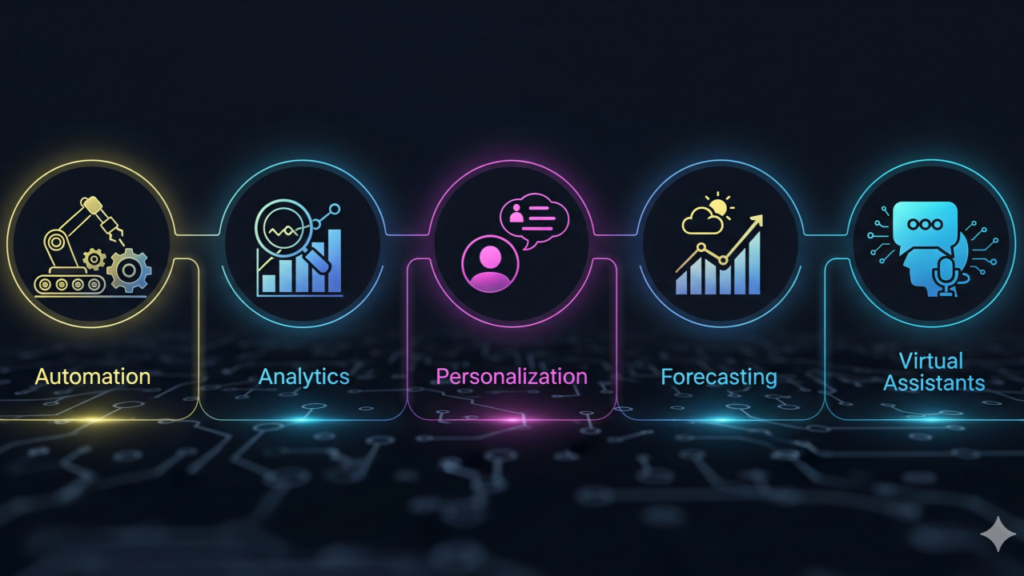
Small organizations constantly face resource constraints and tight operational margins. Applying artificial intelligence directly addresses these limitations by boosting baseline output without inflating payroll expenses.
| Core Business Objective | Traditional Approach | AI-Enhanced Strategy |
|---|---|---|
| Task Management | Manual entry and tracking | Automated workflow triggers |
| Customer Engagement | Limited business-hour response | Instant, 24/7 intelligent resolution |
| Data Analysis | Periodic spreadsheet reviews | Real-time predictive analytics |
| Content Operations | Time-heavy manual drafting | AI draft creation with human editing |
By adopting intelligent platforms, small business leaders can streamline operational workflows, secure precise performance metrics, and accelerate revenue generation.
Essential Applications Across Key Departments
Customer Service and Retention
Intelligent virtual assistants handle high-volume, routine queries around the clock. By delegating baseline support requests, companies ensure immediate engagement, lower bounce rates, and heightened customer loyalty.
Operational Insight: Assigning repetitive queries to automated helpdesks allows support representatives to resolve complex customer issues faster, yielding higher overall satisfaction scores.
Content Creation and Strategic Marketing

Generative text and visual tools empower small marketing teams to produce high-performing, targeted materials at scale.
- Targeted Copywriting: Rapidly generate baseline drafts for email sequences, ad headlines, and landing page content.
- Search Engine Optimization: Automate keyword discovery, meta-description generation, and content formatting to boost search visibility.
- Social Campaign Strategy: Draft and schedule engagement-focused social captions and post variations tailored to specific demographics.
Sales Optimization and Pipeline Growth
AI platforms analyze user interactions to qualify incoming leads, forecast conversion probability, and recommend next actions. Sales representatives spend less time sorting spreadsheets and more time closing high-value deals.
Data Analytics and Financial Oversight
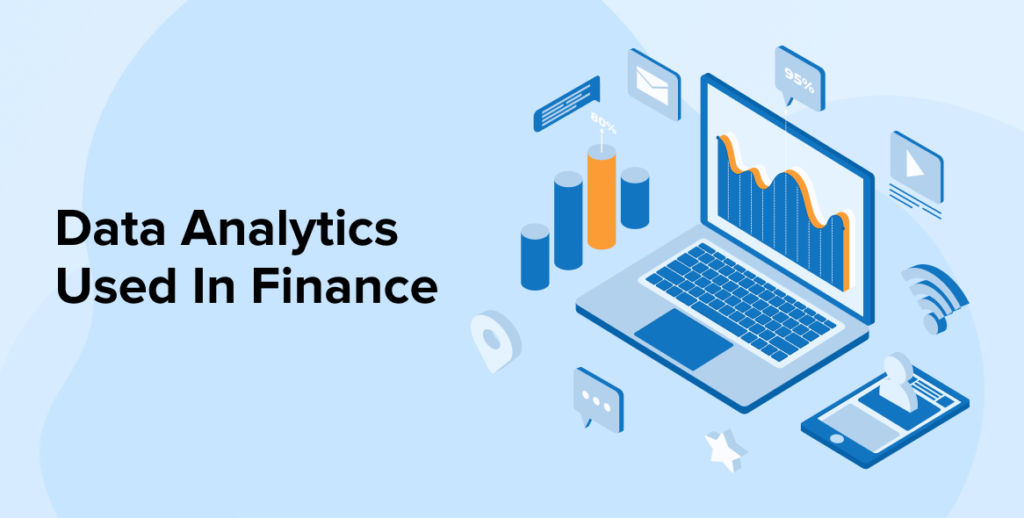
Modern business analytics tools automatically scan transaction histories to deliver actionable inventory forecasts, spending trends, and customer sentiment analyses.
    [ Raw Sales Data ]
            │
            ▼
┌──────────────────────┐
│  AI Analytics Engine │ ──> Detects Buying Patterns
└──────────────────────┘
            │
            ▼
 [ Predictive Inventory & Revenue Forecasts ]
These real-time metrics allow management to make data-backed inventory purchases, adjust pricing models dynamically, and protect operating margins.
A Modern Framework for Seamless Implementation
Successfully deploying AI requires a systematic approach. Rushing into implementation without clear milestones leads to wasted budget and low employee adoption.
┌───────────────────────────┐     ┌───────────────────────────┐
│  1. Identify Repetitive   │ ──> │   2. Establish Clear      │
│     Time Sinks            │     │      Key Metrics          │
└───────────────────────────┘     └───────────────────────────┘
                                                │
                                                ▼
┌───────────────────────────┐     ┌───────────────────────────┐
│  4. Execute Team          │ <── │   3. Select Scalable      │
│     Enablement            │     │      Software Solutions   │
└───────────────────────────┘     └───────────────────────────┘
                │
                ▼
┌───────────────────────────┐
│  5. Monitor Performance   │
│     & Iterate Operations  │
└───────────────────────────┘
- Identify Operational Bottlenecks: Catalog high-frequency, manual tasks that routinely consume team hours, such as manually typing invoices or copy-pasting customer records.
- Define Quantitative Objectives: Target measurable outcomes like reducing customer response times by 50% or cutting weekly administrative processing by five hours per employee.
- Select Integrable Tools: Choose solutions that easily connect with your existing customer relationship management (CRM) software, accounting packages, and messaging channels.
- Execute Team Enablement: Train team members to use AI as an efficiency assistant, focusing on prompt engineering, system oversight, and output refinement.
- Track Metrics and Refine: Periodically evaluate software utilization against cost savings, conversion rate increases, and employee feedback to optimize your software stack.
Essential Best Practices and Risk Management
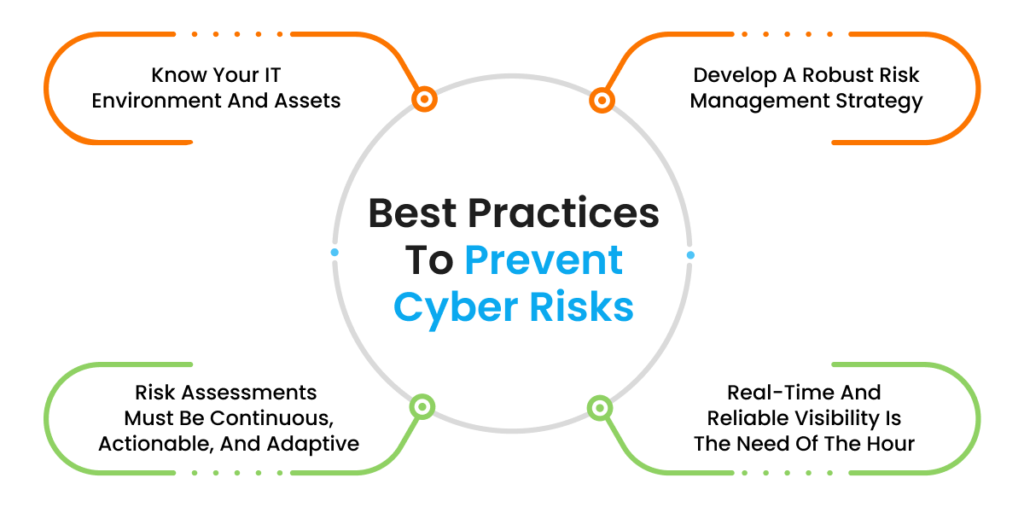
To maximize returns while minimizing disruption, maintain strict balance across your technology infrastructure:
- Apply Human Oversight: Never publish or send AI-generated outputs without thorough review by an internal domain expert.
- Protect Data Privacy: Ensure all third-party software complies with relevant data privacy laws and customer security protocols.
- Maintain Scalability: Select adaptable tools so your automated workflows scale naturally alongside business expansion.
Navigating Common Implementation Challenges
While the benefits are clear, small business owners must remain mindful of common adoption hurdles:
- Initial Learning Curves: Teams require time to adapt to new platforms; offering structured onboarding prevents friction.
- Subscription Inflation: Audit your software tool stack regularly to eliminate redundant software subscriptions.
- Data Integrity Dependence: Automation models depend heavily on clean data; keep your underlying database records accurate and up-to-date.
Preparing Your Business for the Future
The gap between large enterprises and growing small businesses is narrowing rapidly. By integrating intelligent, automated tools into everyday workflows, small companies can reduce operational overhead, elevate output quality, and scale with confidence. Adopting a clear, practical AI strategy today ensures your organization remains agile, competitive, and poised for sustained growth.