

Standing in the center of a home improvement aisle—or endlessly scrolling through page after page of online listings—can make anyone feel a bit cross-eyed. Between the blinding sea of bright yellow, neon green, and deep red plastic, the endless jargon about “brushless motors” and “peak torque,” and the heated debates in online forums, picking out a simple power tool has become surprisingly overwhelming.
The reality? You don’t need a garage packed with thousand-dollar contractor gear to tackle your weekend projects. You just need equipment that fits the job you’re actually doing, works when you pull the trigger, and won’t leave your hands feeling like jelly after twenty minutes.
To help you skip the marketing fluff and build a setup that actually lasts, this expanded guide breaks down everything you need to know about buying, using, and maintaining tools today.
Why Real-World Reviews Matter (Beyond the Spec Sheet)
It’s easy for a tool to look indestructible in a slickly edited commercial with dramatic lighting and heavy rock music. But glowing marketing copy won’t tell you how a saw behaves when it hits a dense, wet knot in a piece of pressure-treated lumber, or whether a drill’s grip becomes slick and dangerous when your hands get sweaty.
This is where honest, hands-on reviews become invaluable. Independent testers and seasoned tradespeople evaluate tools under real jobsite conditions to answer the questions that product boxes ignore:
- Sustained Load Handling: Does the motor maintain its speed under heavy force, or does it overheat and stall out?
- Real-World Battery Life: Does a single charge power through a full afternoon of deck building, or will you spend half your day standing by a charger?
- Vibration and Balance: Is the weight distributed comfortably, or will your wrist suffer after driving a dozen structural screws?
- Internal Build Quality: Did the manufacturer use durable all-metal gearing, or did they skimp with plastic parts that strip after a year of light use?
Reading genuine user feedback and field test comparisons prevents the heartbreak of bringing home a shiny new tool that turns out to be a lightweight paperweight.
Navigating the Four Core Tool Categories
Every functional workshop, whether it’s a professional woodshop or a small corner in an apartment closet, relies on a balanced mix of tool categories. Understanding how these groups work together helps you prioritize what to buy first.
1. Power Tools
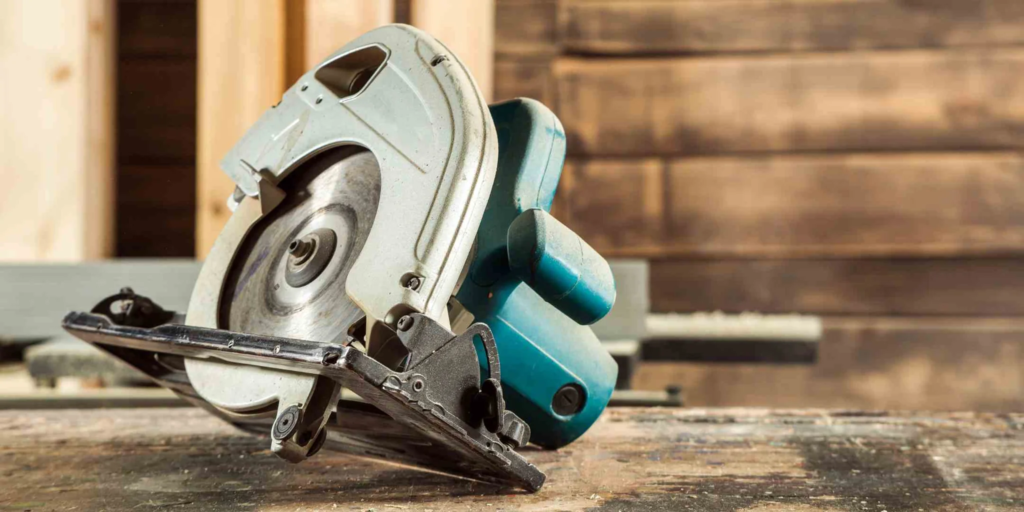
Power tools do the heavy lifting, saving your muscles and cutting hours off complex projects. Modern battery improvements mean you rarely have to trade power for mobility anymore.
- Drills & Impact Drivers: The absolute backbones of any toolkit for drilling holes and driving fasteners effortlessly.
- Cutting Tools: Circular saws, jigsaws, and reciprocating saws handle everything from clean woodworking cuts to tear-out demolition.
- Finishing & Specialty: Angle grinders, rotary tools, and orbital sanders smooth rough edges, prep surfaces, and tackle tight spaces.
2. Hand Tools
While power tools grab the headlines, hand tools remain the unsung heroes of daily life. They require no batteries, never run out of juice, and offer fine control that power tools simply can’t match.
- Essentials: A solid claw hammer, an adjustable wrench set, precision screwdrivers, utility knives, and heavy-duty pliers.
- Accuracy Tools: High-visibility tape measures, torpedo levels, and steel squares ensure your work is straight, flush, and square.
- Rule of thumb: A high-quality hand tool can easily outlive its owner if kept clean and rust-free.
3. Garden & Outdoor Gear

Outdoor power equipment takes a beating from dirt, moisture, and long periods of seasonal storage.
- Maintenance Essentials: Lawn mowers, leaf blowers, hedge trimmers, string trimmers, and pruning shears.
- Key focus: Prioritize lightweight, ergonomic designs here. Ergonomics matter twice as much when you’re carrying a string trimmer across a half-acre yard.
4. Workshop Accessories & Safety
A tool is only as good as the environment you use it in. Accessories keep you safe, organized, and efficient.
- Protection First: Impact-resistant safety glasses, comfortable hearing protection, and proper dust masks.
- Workspace Essentials: Sturdy workbenches, mobile storage boxes, bright LED work lights, and shop vacuums or dust collectors.
Key Features to Evaluate Before Spending Your Cash
Not every expensive tool is a smart purchase, and not every budget tool is garbage. To find the sweet spot between price and performance, focus on these critical factors:
                  +-----------------------------------+
                  |  CRITICAL BUYING EVALUATION       |
                  +-----------------------------------+
                                    |
        +---------------------------+---------------------------+
        |                           |                           |
  BATTERY SYSTEM               ERGONOMICS               BUILD QUALITY
  Stay locked into            Weight balance,          Metal gears over
  one ecosystem to            grip comfort, &          plastic housings
  save on chargers.           vibration dampening.     for longevity.
The Battery Platform “Lock-In”
When you purchase your first cordless power tool, you aren’t just buying that specific tool—you’re signing up for that brand’s battery ecosystem. Batteries and fast chargers often cost as much as the bare tool itself. Pick a brand whose battery line extends to other tools you might want down the road (like yard equipment or shop lights) so you can share batteries and save hundreds of dollars.
Motor Tech: Brushed vs. Brushless
If your budget allows, always choose brushless motors. Older brushed motors create physical friction, generate heat, and wear out over time. Brushless motors use smart electronics to adjust power on the fly. They deliver more torque, run cooler, last significantly longer, and squeeze up to 50% more runtime out of every battery charge.
Ergonomics and Comfort


A tool can boast impressive numbers on paper, but if it feels awkward or heavy in your hand, you’ll end up dreading using it. Look for comfortable rubber overmolding, intuitive trigger locations, proper counterbalancing, and built-in vibration reduction.
Safety Mechanisms
Never compromise on safety features. Modern quality tools come equipped with features designed to protect you from sudden accidents:
- Electric Brakes: Instantly stop circular saw blades or drill chucks the moment you release the trigger.
- Anti-Kickback Systems: Automatically cut power if a drill bit catches or a saw blade binds, preventing the tool from twisting your wrist violently.
- Soft-Start Motors: Gradually ramp up power to keep heavy tools stable during startup.
Brand Breakdown: Matching the Brand to Your Needs
Brand loyalty in the tool world can get surprisingly intense. But picking a brand isn’t about picking a sports team—it’s about matching their specific engineering strengths to your actual workload.
| Brand | Target User | Known For | Key Strengths |
| Milwaukee | Trade Professionals | Heavy construction, plumbing, electrical | Class-leading torque, brutal durability, specialized trade tools |
| DeWalt | Contractors & Serious DIYers | General construction, woodworking | Rugged build, high reliability, ubiquitous jobsites presence |
| Makita | Woodworkers & Pros | Precision work, fine carpentry | Ultra-smooth operation, lighter weight, excellent ergonomics |
| Bosch | Precision Trades | Concrete, masonry, cabinet making | Engineering precision, dust extraction systems, high accuracy |
| Ryobi | DIYers & Homeowners | Home maintenance, light craft projects | Massive battery platform, exceptional price-to-value ratio |
| Craftsman | Casual DIYers | Garage maintenance, basic repairs | Straightforward operation, accessible pricing, solid hand tools |
Cordless vs. Corded: Making the Choice
The debate between corded and cordless tools isn’t about which technology is “better”—it’s about where and how you plan to work.
Cordless Tools
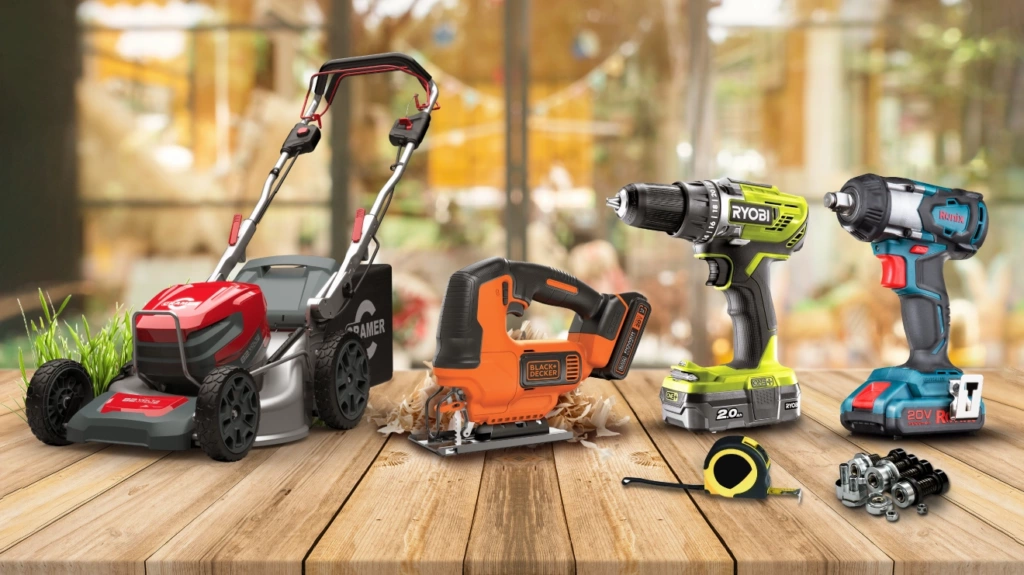
- The Good: Unmatched mobility. You can hop up a ladder, head to the back fence line, or work in a room without power outlets without wrestling with extension cords.
- The Trade-Off: Higher upfront costs, added weight from the battery, and finite runtime per charge.
Corded Tools
- The Good: Infinite runtime and rock-solid, uninterrupted power. They are generally lighter because they don’t carry a heavy lithium-ion pack, and they usually cost less.
- The Trade-Off: You are tethered to an electrical outlet or generator, and extension cords create trip hazards on busy workspaces.
Rule of Thumb: Go cordless for high-mobility tools like drills, impact drivers, and jigsaws. Consider corded options for heavy benchtop tools like miter saws, table saws, or sanders that stay in one spot for hours.
FAQ’s
1. What should I consider before buying a tool?
Consider performance, durability, safety features, warranty, and your specific project needs.2. Are cordless tools better than corded tools?
Cordless tools offer portability, while corded tools provide continuous power for heavy-duty tasks.3. Which tool brands are most reliable in 2026?
Popular reliable brands include DeWalt, Milwaukee, Makita, Bosch, and Ryobi.4. How can I make my tools last longer?
Clean them regularly, store them properly, lubricate moving parts, and follow the manufacturer’s maintenance guidelines.5. Why are expert tool reviews important?
Expert reviews compare performance, quality, and value, helping you choose the best tool for your budget and needs.