
Creating content that looks attractive is relatively easy. Creating content that actually converts readers into leads or customers is the real challenge. High-converting content does much more than fill up a web page or sound professional. It speaks directly to the right audience, answers their most pressing questions, and gently guides them toward taking action without coming across as aggressive or pushy.
That is where HubSpot Creative Tools—specifically within the Content Hub—deliver immense value. Designed around AI-assisted creation, smart CMS features, and CRM data, HubSpot enables marketing teams to draft, optimize, and manage their assets all in one central location.
When content creation is closely tied to customer data and a broader marketing strategy, you can move from initial idea to published asset much faster. HubSpot’s built-in AI content writer offers an easy way to generate draft blog posts, social captions, ad copy, and landing page messaging while preserving your brand’s unique tone. This combination of structural support and convenience is what makes the platform so effective for teams aiming for real business performance rather than just volume.
Why High-Converting Content Requires an Integrated System
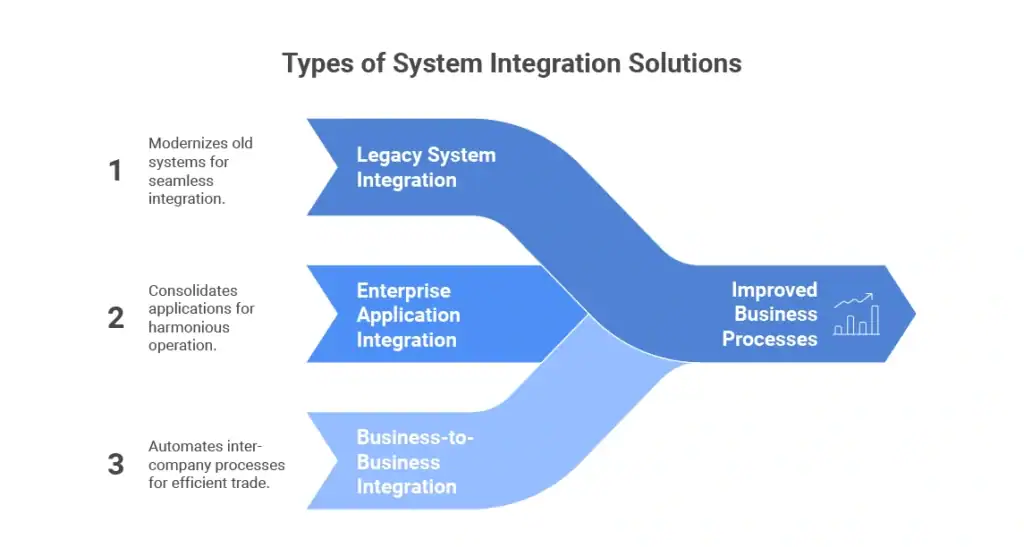
A primary reason so much online content underperforms is structural fragmentation. A marketer might draft a blog post in one application, build the corresponding landing page in a second tool, design social media graphics in a third, and set up follow-up emails in a completely separate platform.
HubSpot eliminates this fragmentation by housing landing pages, blogs, podcasts, microsites, lead capture forms, and call-to-action (CTA) buttons under a single roof. Keeping everything connected ensures your core messaging remains uniform from the visitor’s first click to their final decision to convert.
Conversion is rarely driven by a single clever headline. It is almost always the result of a frictionless user journey. When copy, visual layout, offer value, and call-to-action work seamlessly together, visitors do not have to pause or overthink their next step.
[ First Click ] ──► [ Blog / Article ] ──► [ Tailored Offer / CTA ] ──► [ Conversion ]
Core Principles for Driving Content Conversions
1. Prioritize Audience Clarity Over Keyword Density
Search engine keywords help potential customers find your website, but audience clarity is what builds the trust required to convert them. While search engine optimization (SEO) guarantees initial visibility, genuine value is what drives user action.
By linking content directly to CRM data, you can tailor your messaging based on user behavior, funnel stage, and expressed interests. High-converting pieces directly address real user pain points—whether through a practical tutorial, an honest product comparison, or a clear step-by-step checklist.
2. Combine AI Speed with Human Insight
HubSpot’s AI content generator speeds up the creation process by generating outlines, drafting landing page copy, and proposing topic ideas through simple prompts and slash commands.
However, AI output serves best as a draft. The true conversion gains occur when a human editor refines that draft with brand voice, accurate product details, and nuanced industry knowledge. Using AI to clear the “blank page” hurdle frees up your team to focus on persuasive messaging, refined offer details, and clear calls to action.
3. Design Every Asset Around a Single Conversion Goal
To convert effectively, every piece of content must have one clear, primary objective:
- Blog Posts: Focus on driving newsletter sign-ups or content downloads.
- Landing Pages: Focus on capturing demo requests or free trial sign-ups.
- Resource Hubs: Focus on driving webinar or event registrations.
HubSpot simplifies this alignment by allowing you to embed smart CTAs and forms directly into your content. Placing the right offer in front of the reader at the optimal moment significantly increases conversion probability.
4. Implement Smart Personalization
Personalized content consistently outperforms generic messaging because it speaks directly to the reader’s current context. With HubSpot’s smart content features, you can adjust page elements, form fields, and CTAs based on who is viewing the page.
For instance, a first-time visitor might see an introductory guide with an email opt-in, whereas a returning lead might see a direct invitation to book a product demo.

5. Maintain an Authentic Brand Voice
One major pitfall of unedited AI copy is that it sounds generic and robotic. Because conversion relies heavily on trust, your final copy must sound natural, authentic, and human.
Editing AI-generated text involves stripping out fluff, adding real-world examples, and ensuring the tone aligns with your brand’s unique identity.
Connecting Content Across the Entire Marketing Funnel
Content performs at its best when integrated into the broader customer journey. A top-of-funnel blog post should naturally lead to a mid-funnel resource, which in turn leads to a landing page or demo request.
HubSpot supports this end-to-end journey by integrating marketing, sales, service, and CRM data on a single platform.
+-------------------------------------------------------------------+
|                        HUBSPOT PLATFORM                           |
|                                                                   |
|  [ Content Hub ] ──► [ Smart CTAs & Forms ] ──► [ CRM & Funnel ]  |
|   - Blogs             - Dynamic Offers           - Lifecycle      |
|   - Landing Pages     - Lead Capture             - Analytics      |
+-------------------------------------------------------------------+
By keeping content creation, lead capture, and performance tracking in one ecosystem, marketing teams can easily identify which assets drive real pipeline revenue and which ones require optimization.
The Value of Continuous Optimization
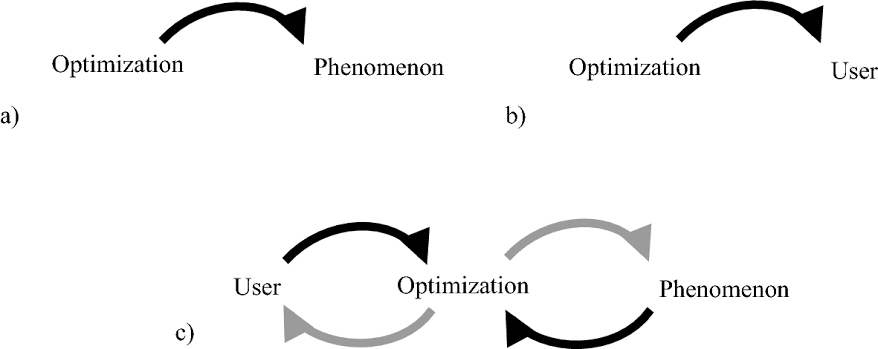
High-converting content is rarely static; it evolves through regular testing, performance review, and refinement. Having your content analytics and CRM data in one place makes it straightforward to spot where user drop-off occurs.
- High traffic, low conversions? Test new headlines, rewrite the primary offer, or adjust your CTA placement.
- High engagement, low movement? Clarify the value proposition or simplify the form fields.
Treating your assets as an adaptable system ensures your content continues to generate returns over time.
Frequently Asked Questions
1.What are HubSpot Creative Tools?
HubSpot Creative Tools refer to the suite of content creation, management, and AI features built into HubSpot, primarily within Content Hub and Marketing Hub. They include AI blog generators, landing page builders, CTA managers, and smart content tools.
2.How do these tools improve conversion rates?
They improve conversions by connecting every step of the buyer journey. By linking content directly to CRM data, smart forms, and personalized CTAs, you create a smooth experience tailored to the visitor’s funnel stage.
3.Can HubSpot AI write all my content automatically?
While HubSpot’s AI can generate full first drafts, outlines, and social posts, it is designed to assist human creators rather than replace them. Human review is essential to maintain accuracy, brand tone, and persuasive quality.
4.What types of content can I build in HubSpot?
You can create landing pages, blog posts, podcasts, microsites, web forms, CTAs, and email campaigns—all hosted and tracked within the HubSpot ecosystem.
5.How does smart content personalization work?
Smart content uses CRM data signals—such as lifecycle stage, country, device type, or list membership—to automatically display different text, images, or CTAs to different visitors.