

Learning a new skill has never been easier. Whether you want to improve your productivity, master technology, start a business, cook healthy meals, or complete a DIY project, how-to guides provide clear, step-by-step instructions that make learning simple and effective. In 2026, online learning resources, video tutorials, AI-powered tools, and interactive platforms have transformed the way people gain knowledge and solve everyday problems.
A well-written how-to guide breaks down complex tasks into manageable steps, helping beginners and experienced learners achieve their goals with confidence. Instead of feeling overwhelmed, readers can follow practical instructions, avoid common mistakes, and build new skills at their own pace.
This guide explains what how-to guides are, why they are valuable, how to create and use them effectively, and the latest learning trends shaping education in 2026.
What Are How-To Guides?
A how-to guide is an instructional resource that explains how to complete a specific task through a series of clear and organized steps. These guides are designed to help readers understand a process from start to finish using simple language, practical examples, and actionable advice.
How-to guides can cover almost any topic, including technology, business, education, home improvement, cooking, travel, fitness, finance, and personal development.
Their main purpose is to simplify learning and make complex topics accessible to everyone.
Why How-To Guides Are Important

People often search online for solutions to everyday questions. A detailed how-to guide provides reliable answers while saving readers time and effort.
Some key benefits include:
- Makes learning easier
- Provides clear step-by-step instructions
- Helps solve real-world problems
- Builds confidence in beginners
- Saves time through organized information
- Improves accuracy when completing tasks
- Encourages continuous learning
- Supports personal and professional development
Whether learning a new software tool or repairing a household item, how-to guides provide practical knowledge that can be applied immediately.
Key Elements of an Effective How-To Guide
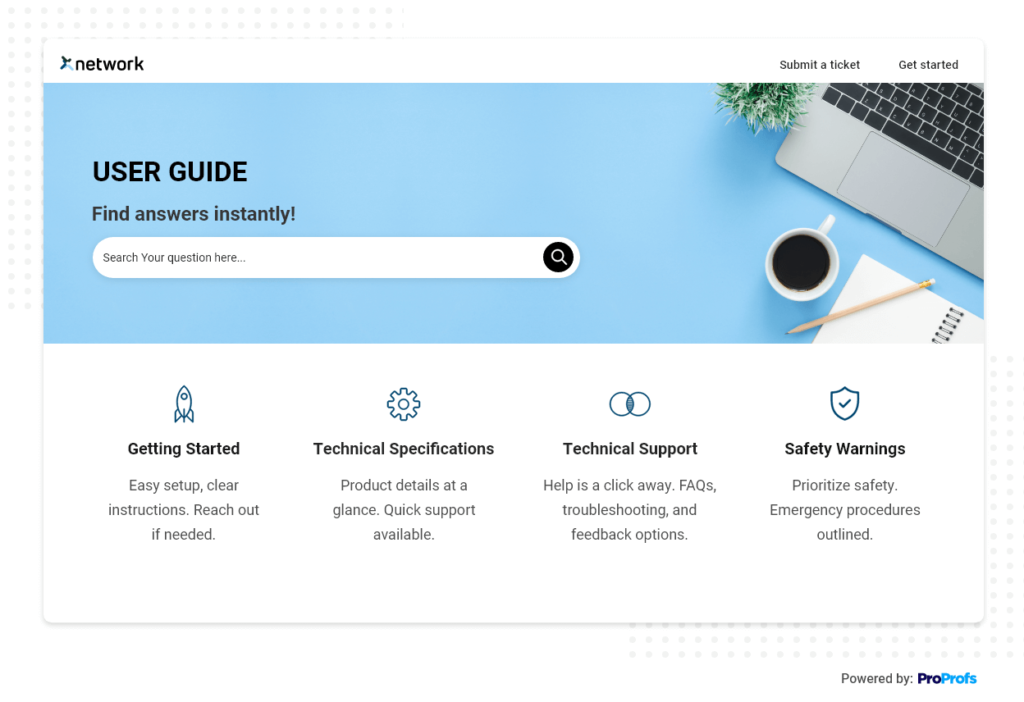
A successful how-to guide includes several important components that improve readability and user experience.
Clear Title
The title should explain exactly what readers will learn while including relevant keywords for search engines.
Introduction
The introduction should explain the purpose of the guide, why the topic matters, and what readers can expect.
Step-by-Step Instructions
Each step should be presented in a logical order using simple language that is easy to follow.
Helpful Tips
Additional tips, shortcuts, or best practices can help readers complete tasks more efficiently.
Common Mistakes
Highlighting common errors allows readers to avoid unnecessary problems and achieve better results.
Popular Types of How-To Guides

How-to guides are available across many industries and interests.
Technology Guides
Technology tutorials teach users how to install software, troubleshoot devices, use AI tools, improve cybersecurity, and manage digital accounts.
Business Guides
Business-focused guides explain topics such as starting a business, creating marketing strategies, managing finances, and improving productivity.
Health and Fitness Guides
These guides provide workout routines, nutrition advice, healthy habits, and wellness tips.
Cooking Guides
Cooking tutorials help beginners prepare recipes, improve kitchen skills, and learn new cooking techniques.
DIY and Home Improvement Guides
DIY guides explain home repairs, furniture assembly, decorating ideas, and maintenance projects.
Travel Guides
Travel how-to guides help readers plan trips, find affordable accommodations, pack efficiently, and navigate new destinations.
How to Create a Great How-To Guide
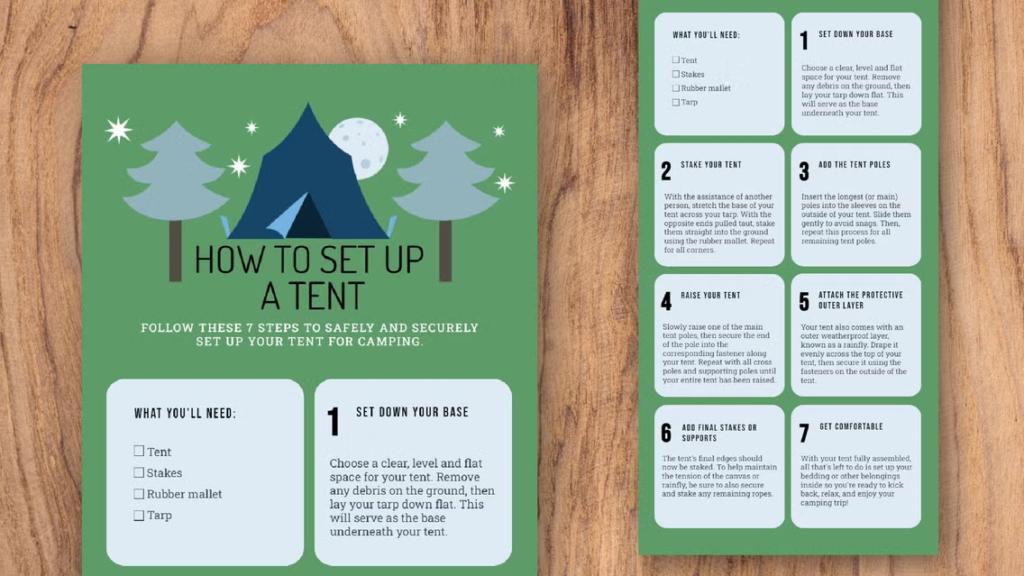
Creating a helpful guide requires careful planning and organization.
Choose a Specific Topic
Focus on one clear objective so readers know exactly what they will learn.
Understand Your Audience
Write for your intended readers, whether they are beginners, professionals, students, or hobbyists.
Break the Process into Steps
Organize information into logical sections with clear headings and numbered steps when appropriate.
Use Simple Language
Avoid unnecessary technical jargon and explain complex terms in an easy-to-understand way.
Include Practical Examples
Real-world examples help readers better understand each step and apply the information.
Review and Update Regularly
As technology and best practices evolve, update your guide to keep it accurate and relevant.
Benefits of Learning Through How-To Guides
Following structured guides offers many advantages.
Some major benefits include:
- Faster skill development
- Better understanding of complex topics
- Increased confidence
- Improved problem-solving abilities
- Greater productivity
- Cost savings through DIY learning
- Flexible self-paced education
- Continuous personal growth
Learning independently allows individuals to develop valuable skills without attending formal classes.
Learning Trends in 2026

Education and skill development continue evolving through technology.
AI-Powered Learning
Artificial Intelligence personalizes lessons, answers questions, and recommends learning resources based on individual progress.
Interactive Tutorials
Many platforms now include quizzes, simulations, and hands-on exercises that improve understanding.
Microlearning
Short learning sessions help users quickly understand new concepts without spending hours studying.
Mobile Learning
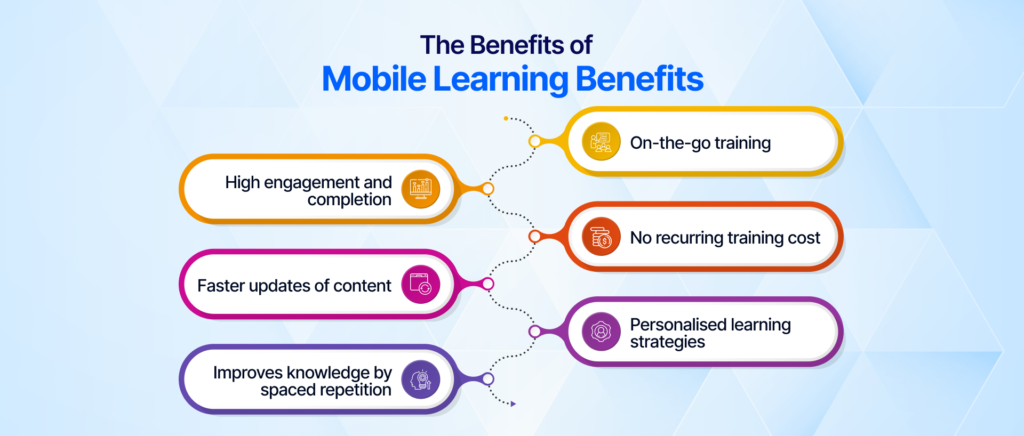
Smartphones and tablets allow learners to access guides anytime and anywhere.
Video and Visual Learning
Images, animations, and videos make complex instructions easier to understand.
Common Mistakes When Following How-To Guides
To achieve the best results, avoid these common mistakes:
- Skipping important steps
- Not reading instructions carefully
- Using incorrect tools or materials
- Ignoring safety precautions
- Rushing through the process
- Failing to review the final outcome
Taking time to understand each step increases the likelihood of success.
Tips for Becoming a Better Learner

Developing effective learning habits can improve your ability to master new skills.
Some helpful tips include:
- Set clear learning goals
- Practice regularly
- Take notes while learning
- Ask questions when needed
- Learn from mistakes
- Stay curious and open to new ideas
- Apply knowledge through real-world practice
- Keep your skills updated as industries evolve
Consistency is one of the most important factors in successful learning.
The Future of How-To Guides
The future of instructional content is becoming more interactive and personalized. AI-powered assistants, augmented reality (AR), virtual reality (VR), and voice-guided tutorials are making learning more engaging and accessible. Future how-to guides may include real-time feedback, personalized recommendations, and immersive experiences that allow users to learn by doing.
As digital education continues to grow, high-quality how-to guides will remain an essential resource for individuals seeking practical knowledge and lifelong learning.
Frequently Asked Questions (FAQs)
1. What is a how-to guide?
A how-to guide is a step-by-step instructional resource that explains how to complete a specific task, solve a problem, or learn a new skill in a simple and organized way.
2. Why are how-to guides useful?
How-to guides make learning easier by breaking complex processes into clear steps, helping readers save time, avoid mistakes, and achieve better results.
3. What topics can how-to guides cover?
How-to guides can cover a wide range of topics, including technology, business, health, fitness, cooking, travel, education, DIY projects, finance, and personal development.
4. How do I create an effective how-to guide?
To create an effective guide, choose a specific topic, understand your audience, write clear step-by-step instructions, use simple language, include practical examples, and update the content regularly.
5. What are the key elements of a good how-to guide?
A high-quality how-to guide should include:
- A clear title
- An introduction
- Step-by-step instructions
- Helpful tips
- Common mistakes to avoid
- A conclusion