

Running a successful business today requires more than a great product or service. Companies must manage communication, marketing, sales, customer relationships, finances, projects, and daily operations efficiently to stay competitive. Fortunately, modern business tools make these tasks easier by automating repetitive work, improving collaboration, and providing valuable insights for better decision-making.
The number of business software solutions available in 2026 is larger than ever, making it challenging to choose the right ones. Some tools focus on project management, while others specialize in customer relationship management (CRM), accounting, marketing automation, or team communication. The ideal business toolkit depends on your company size, industry, and goals.
This guide reviews some of the best business tools for growth and efficiency, highlighting their key features, benefits, and ideal use cases to help you make informed decisions.
Why Business Tools Matter

Business tools are designed to simplify complex processes and improve productivity. Instead of spending hours on manual tasks, teams can automate workflows, collaborate in real time, and monitor performance using centralized dashboards.
The right software helps reduce operational costs, minimize human errors, improve customer satisfaction, and increase overall efficiency. Whether you operate a startup or a large enterprise, investing in reliable business tools can support long-term growth and improve day-to-day operations.
Project Management Tools
Managing projects efficiently is essential for meeting deadlines and keeping teams aligned. Project management platforms allow businesses to organize tasks, assign responsibilities, monitor progress, and collaborate in one place.
Popular tools such as Trello, Asana, Monday.com, ClickUp, and Jira offer customizable workflows, automation features, file sharing, and reporting dashboards. These platforms help reduce confusion, improve accountability, and ensure projects stay on schedule.
Businesses managing multiple clients or departments benefit significantly from centralized project management software.
Customer Relationship Management (CRM) Tools
Building strong customer relationships is essential for business growth. CRM software stores customer information, tracks interactions, manages sales pipelines, and helps businesses deliver personalized experiences.
Platforms like Salesforce, HubSpot CRM, Zoho CRM, and Pipedrive provide contact management, lead tracking, sales forecasting, email integration, and customer support features.
A well-implemented CRM improves sales performance while helping businesses understand customer behavior and identify new opportunities.
Team Communication Tools
Effective communication is critical for productive teams, especially in remote and hybrid work environments. Communication platforms allow employees to collaborate instantly without relying solely on email.
Microsoft Teams, Slack, Google Chat, and Zoom provide messaging, video conferencing, screen sharing, and file collaboration features that improve teamwork and reduce communication delays.
Quick access to conversations and shared documents helps teams make faster decisions and complete tasks more efficiently.
| Business Tool Category | Primary Benefit | Best For |
|---|---|---|
| Project Management | Task organization and collaboration | Teams and agencies |
| CRM Software | Customer relationship management | Sales and marketing |
| Communication Tools | Team collaboration | Remote and hybrid teams |
| Accounting Software | Financial management | Businesses of all sizes |
| Marketing Automation | Campaign management | Marketing teams |
| Cloud Storage | Secure file sharing | All businesses |
| Analytics Tools | Performance insights | Business decision-making |
| AI Productivity Tools | Workflow automation | Growing organizations |
Accounting and Financial Management Tools
Managing finances accurately is essential for sustainable business growth. Accounting software simplifies bookkeeping, invoicing, tax calculations, payroll, expense tracking, and financial reporting.
Popular options include QuickBooks, Xero, FreshBooks, and Zoho Books. These platforms reduce manual accounting work while providing real-time financial insights that support better budgeting and forecasting.
Automated financial management also helps businesses remain compliant with tax regulations.
Marketing Automation Tools
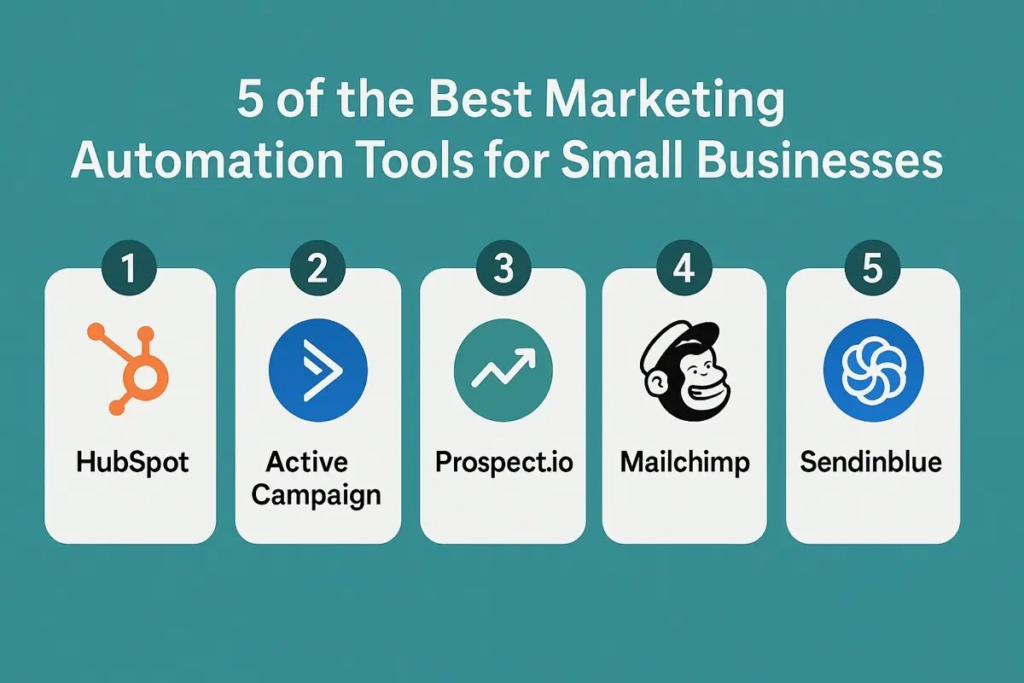
Marketing automation platforms help businesses attract, nurture, and convert leads through automated email campaigns, customer segmentation, lead scoring, and personalized communication.
Tools such as HubSpot, Mailchimp, ActiveCampaign, and Brevo enable businesses to create targeted campaigns while saving time through automation.
Marketing teams can monitor campaign performance, optimize customer journeys, and improve return on investment using detailed analytics.
Cloud Storage and File Management
Businesses generate large amounts of digital information every day. Cloud storage solutions provide secure access to files while allowing teams to collaborate from anywhere.
Google Drive, Dropbox, Microsoft OneDrive, and Box offer document sharing, version control, automatic backups, and permission management.
Cloud-based storage improves flexibility while reducing the risk of data loss caused by hardware failures.
Business Analytics Tools
Data-driven decision-making has become a competitive advantage. Analytics platforms collect information from multiple business systems and present it through easy-to-understand dashboards.
Google Analytics, Microsoft Power BI, Tableau, and Looker help businesses measure website traffic, customer behavior, sales performance, and operational efficiency.
These insights allow organizations to identify growth opportunities, improve marketing strategies, and make informed business decisions.
AI-Powered Productivity Tools

Artificial intelligence is transforming how businesses operate. AI-powered tools assist with content creation, meeting summaries, customer support, workflow automation, scheduling, and data analysis.
Businesses use AI assistants to generate reports, draft emails, analyze documents, and automate repetitive administrative tasks. These tools increase employee productivity while allowing teams to focus on strategic work.
As AI technology continues to evolve, businesses adopting these solutions gain significant efficiency advantages.
Factors to Consider Before Choosing Business Tools
Selecting business software should involve careful evaluation rather than choosing the most popular platform. Consider your company’s size, available budget, scalability, security requirements, ease of use, integration capabilities, and customer support.
Choosing software that integrates with your existing systems reduces implementation challenges and improves workflow efficiency.
Many providers also offer free trials, allowing businesses to test features before making long-term commitments.
Common Mistakes Businesses Should Avoid
One common mistake is purchasing multiple tools with overlapping features. This increases costs while creating unnecessary complexity.
Another issue is failing to train employees properly. Even the most advanced software cannot deliver results if team members do not understand how to use it effectively.
Ignoring security updates, neglecting software maintenance, and choosing tools based only on price can also reduce long-term value.
Businesses should regularly review software performance to ensure each tool continues supporting organizational goals.
Benefits of Using the Right Business Tools
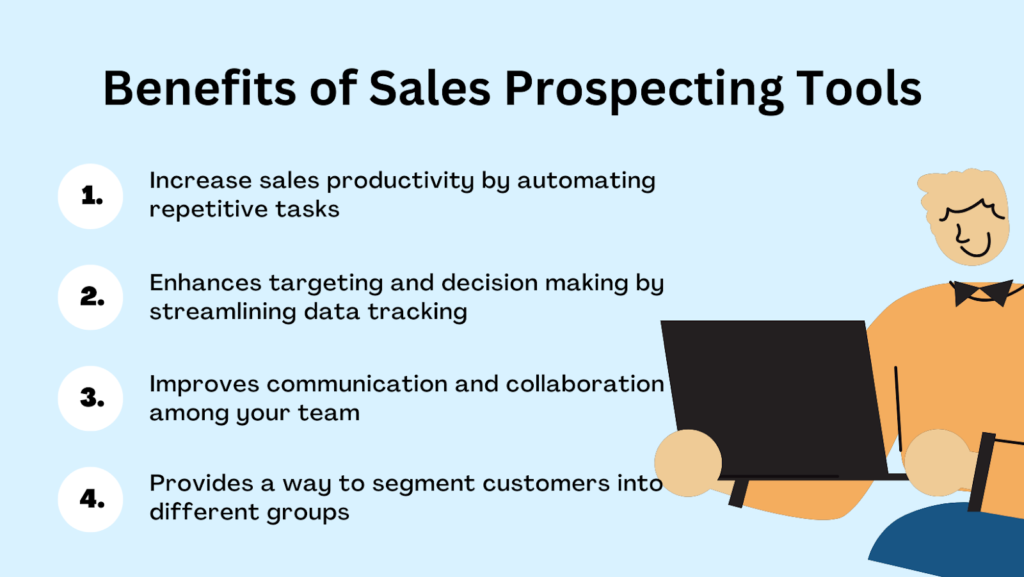
Businesses that implement suitable software often experience increased productivity, improved collaboration, faster decision-making, stronger customer relationships, reduced operating costs, and higher employee satisfaction.
Automation eliminates repetitive tasks while analytics provide valuable insights for continuous improvement. Centralized platforms also improve transparency by giving teams access to accurate information whenever they need it.
These advantages allow businesses to scale more efficiently while maintaining high-quality customer experiences.