We live in an era where opening a new investment account takes about three clicks and sixty seconds. If you want to buy a fractional share of an artificial intelligence startup, you download one app. Investment If you want to tuck away money for retirement in a tax-advantaged account, you log into an old corporate portal. If you feel like putting a small percentage of your paycheck into a digital asset index or a high-yield cash sweep, you open a third or fourth dashboard.
On paper, this is a miracle of financial democratization. In reality, it creates a massive mental burden.
When your wealth is scattered across five different institutions, four distinct login screens, and two completely different asset classes, answering a simple question like “How am I actually doing?” becomes a weekend-long project involving spreadsheets, manual math, and a lot of guesswork. You might see a massive gain in one account and feel like a financial genius, completely oblivious to the fact that an invisible fee structure or a steep decline in a forgotten retirement fund is quietly dragging down your net worth.
Investing without centralized tracking is like trying to pilot an airplane by looking out the side window instead of checking the dashboard instruments. You know you are moving, and you can tell if you are going up or down in that exact moment, but you have absolutely no idea what your true altitude, direction, or fuel reserve looks like. This lack of visibility breeds anxiety, and anxiety leads to impulsive, emotional decisions—the absolute biggest killer of long-term wealth.
Investment Moving Beyond the Spreadsheet
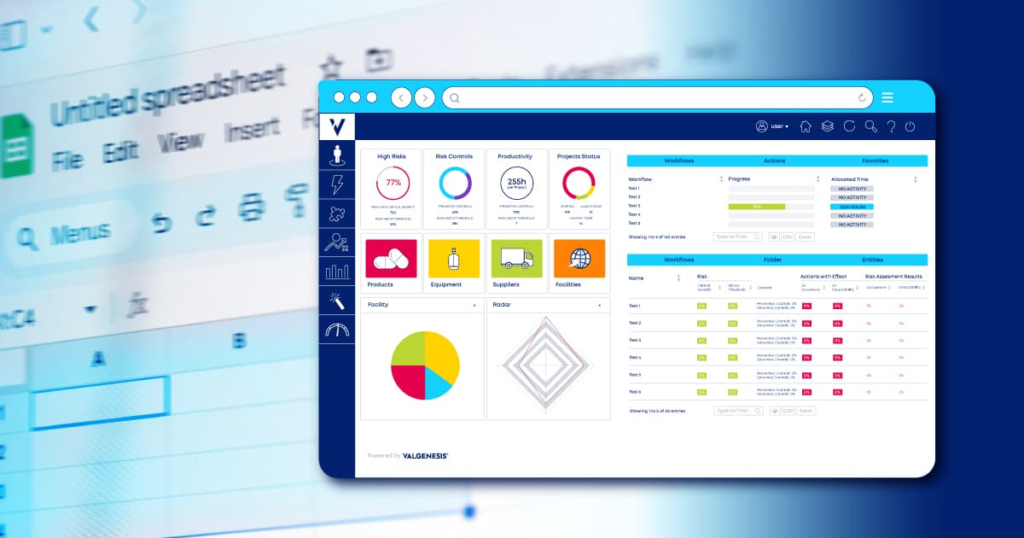
For generations, the only real alternative to financial blindness was the manual spreadsheet. Every Sunday evening, dedicated investors would open Microsoft Excel or Google Sheets, log into every single one of their accounts, manually copy and paste their current balances, and use basic formulas to calculate their total asset allocation.
If you have the time and the absolute discipline to do that every single week without fail, it works. But let’s be honest: life gets in the way. You miss a week because you were traveling. You miss another because work was stressful. Suddenly, your spreadsheet is three months out of date, an entire market correction has occurred, and your data is completely irrelevant. Furthermore, a static spreadsheet cannot easily track things like real-time dividend yields, shifting cost bases, or the hidden overlap within your mutual funds.
Modern portfolio tracking platforms have stepped into this gap, not just as calculators, but as centralized financial command centers.
By utilizing secure, read-only aggregation engines, these tools securely connect the dots between your various banking, brokerage, and alternative asset accounts. They pull all of that raw data into a single, cohesive interface. The moment you log in, you aren’t just looking at a number; you are looking at a living, breathing map of your financial life. You see exactly how much cash you have, how much debt is outstanding, how your stocks are behaving across different accounts, and whether your total risk profile actually matches your long-term goals.
Investment The Hidden Danger of Overlap and Imbalance
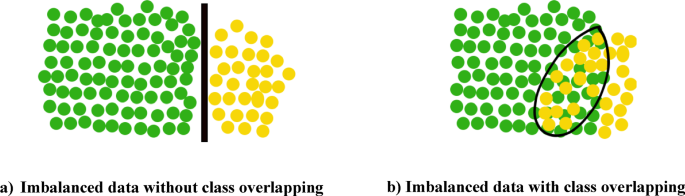
The true value of this visibility becomes obvious when you start looking at asset allocation. Most investors believe they are well-diversified simply because they own multiple different funds across different platforms. But without a centralized tracker, you might be falling victim to an invisible trap called portfolio overlap.
For example, you might own a popular S&P 500 index fund in your workplace retirement account. Then, on a personal brokerage app, you buy a trendy technology ETF because you want exposure to innovation. Finally, on a third platform, you buy individual shares of a massive tech company that you use every single day.
When a portfolio tracking tool aggregates those accounts and strips away the fund wrappers, it might reveal that forty percent of your entire net worth is actually tied up in just three massive technology companies across three different accounts. If the tech sector takes a massive hit, your entire portfolio suffers an aggressive blow that you never anticipated because you thought you were diversified.
A high-quality tracking engine acts as an x-ray machine for your investments. It breaks down your holdings by sector, geographic location, and market cap, showing you exactly where your hidden vulnerabilities lie. It shifts your perspective from “Look at how much this specific stock went up today” to “Look at how this group of assets is protecting and growing my total wealth over time.”
What to Look For in a Financial Dashboard
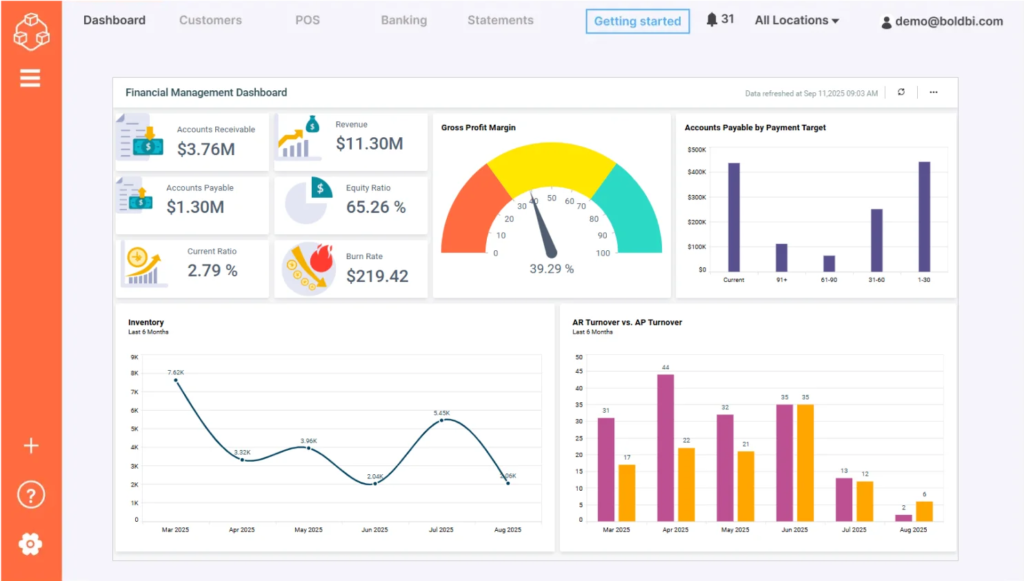
The market is flooded with wealth tracking tools, ranging from completely free budgeting apps to highly expensive, enterprise-grade software meant for professional wealth managers. Finding the right fit means identifying the features that align with how you actually manage your money.
- Reliable, Automated Syncing: If an app requires you to manually enter every single trade and dividend payment, you will eventually stop using it. The core value of a tracker is automation. Look for platforms that utilize established, bank-grade data aggregators to seamlessly update your holdings in the background without requiring constant manual intervention or re-login requests.
- True Multi-Asset Flexibility: A modern portfolio is rarely just stocks and bonds. A great tracking platform should be able to cleanly display real estate values, high-yield savings accounts, traditional retirement vehicles, and alternative assets side-by-side without clunky workarounds.
- Deep Allocation Analytics: You want a tool that can look inside your mutual funds and ETFs to give you a true, consolidated view of your sector and company exposure, rather than just listing the names of the funds themselves.
- Forward-Looking Dividend Income: For income-focused investors, having a visual calendar that projects upcoming dividend payments and distributions over the next twelve months is an incredibly powerful motivational tool and an essential piece of cash-flow planning.
The Psychology of Disconnect

There is a major psychological benefit to using a dedicated tracking tool that people rarely talk about: it breaks the addictive cycle of checking stock prices every single day.
When you track your investments through your active trading apps, you are constantly exposed to temptation. Every time you log in to see your balance, you are greeted by flashing green and red numbers, breaking news alerts, and prominent buttons urging you to buy or sell. Those interfaces are intentionally designed to spark emotional reactions and drive transaction volume. They want you to trade because that is how they monetize your attention.
A standalone tracking platform completely changes that dynamic. Because you cannot actively trade from inside a pure tracking dashboard, the interface is inherently calmer, more analytical, and focused on the long game. It strips away the immediate market noise and reframes your money around historical timelines and long-term trends. Instead of reacting to a sharp afternoon drop in a single stock, you see a long, upward-trending chart of your total net worth over five or ten years. It shifts your mindset from that of a reactionary day trader to that of a patient, disciplined wealth builder.
Navigating the Balance
| Active Brokerage Apps (The Execution Layer) | Centralized Tracking Apps (The Strategic Layer) |
| Designed to encourage trading, immediate reactions, and high transaction volume. | Designed for long-term observation, calm analysis, and strategic planning. |
| Shows a isolated, single-account view of specific assets and daily price ticks. | Aggregates all accounts to show true net worth, total asset allocation, and hidden overlap. |
| Fragmented data that requires manual math to understand your total financial picture. | Automated syncing that presents a clean, unified dashboard of your entire financial life. |
| Focuses heavily on short-term market noise and sensationalized financial headlines. | Focuses on multi-year growth trajectories, dividend cash flows, and goal milestones. |
The Value of Investment Knowing Your Destination

Ultimately, building wealth is a long, marathon-like process that requires an incredible amount of patience. The hardest part isn’t picking a winning stock or finding the perfect mutual fund; it is staying disciplined enough to keep saving and investing month after month, year after year, even when the markets are volatile and the news cycle is terrifying.
An investment tracking app is more than just a collection of charts and automated data feeds. It is a psychological anchor. When you can see your progress laid out clearly in front of you—when you can watch your debt shrink, your asset base grow, and your projected retirement income slowly tick upward—the abstract concept of “financial freedom” becomes a tangible, achievable reality. It gives you the clarity to see exactly where you stand today, the control to adjust your path when the world changes, and the confidence to tune out the temporary noise and trust the long-term plan you built.
Conclusion
Top-rated investment tracking apps are valuable because they help investors make sense of their money. They simplify portfolio management, improve visibility, support smarter decisions, and encourage long-term discipline. Instead of guessing where your investments stand, you can track performance with clarity and confidence.
The best app for you will depend on your goals, experience level, and the types of investments you hold. But one thing is clear: if you want smarter portfolio management, a reliable tracking app can make the process much easier. In a world where financial information moves quickly, staying organized is one of the smartest investing habits you can build.
FAQs
1.What is an investment tracking app?
An investment tracking app is a tool that helps you monitor your portfolio, review performance, track asset allocation, and manage investments in one place.
2.Why should investors use tracking apps?
They help investors save time, stay organized, monitor progress, and make more informed decisions based on clear financial data.
3.Are investment tracking apps useful for beginners?
Yes. Beginners often benefit the most because the apps simplify portfolio management and make investing easier to understand.
4.What features should I look for in a good app?
Look for automatic syncing, performance charts, asset allocation insights, security features, tax support, and support for multiple investment types.
5.Can these apps help with long-term investing?
Yes. They are especially helpful for long-term investors because they make it easier to review progress, stay disciplined, and keep investments aligned with goals.