
A brand right now, you have to stop thinking like a top marketing trends and start thinking like a real person. Here is the unfiltered reality of how the game is actually played.
the corporate pretense entirely. If we’re talking about what marketing trends actually feels like right now, we have to admit something uncomfortable: the internet has become a massive, noisy feedback loop. Everyone is using the exact same tools to scream at the exact same audience, and consumers have completely checked out.
AI Isn’t Your Strategy—It’s Just the Plumbing

Can we all agree to stop putting “AI-powered” on pitch decks? It’s not a feature anymore; it’s just the baseline.
The brands that are absolutely crushing it aren’t using algorithms to churn out generic, soulless blog posts that nobody wants to read anyway. They are using it behind the scenes as a massive data engine. It’s handling the tedious stuff—predicting inventory shifts, sorting chaotic user behavior, and automating backend workflows that used to burn out entire teams.
- The Chatbot Lie: Customers hate phone trees, and they hate bots that just link them to an FAQ page. The shift right now is toward conversational assistants that actually have context, can solve a problem on the spot, and talk to you like a human being, not a corporate script.
- The Reality: Let the machine handle the raw scale and speed so the humans on your team can finally have the time to think creatively.
The First-Name Variable is Dead
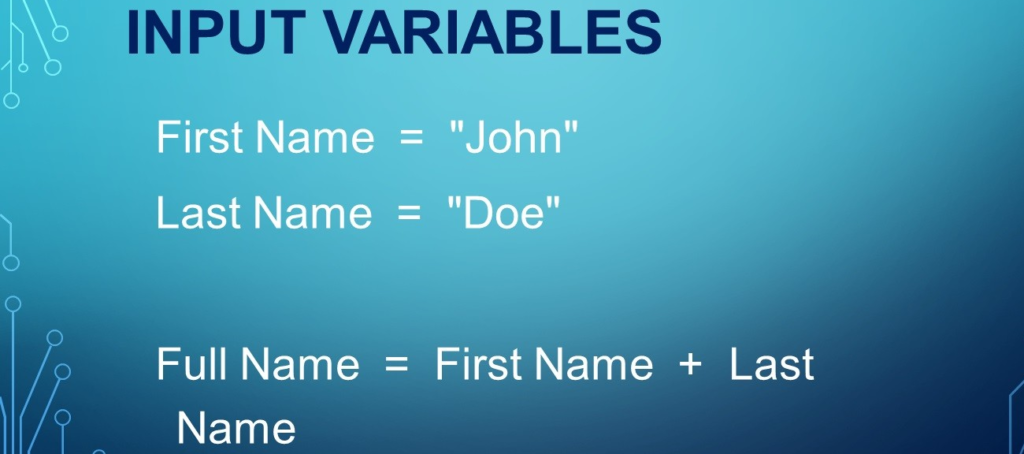
If your strategy for “personalization” is still just dropping a {{First_Name}} token into an email blast, you are locked in a time capsule.
People don’t just ignore generic marketing anymore—they actively resent it. Real personalization isn’t about data field inserts; it’s about context. It’s changing a website’s layout based on what a user actually cares about, or timing an offer perfectly because you know their specific habits. It’s making someone feel like you actually understand their problem, rather than just treating them like a metric to be mined.
The $50,000 Video vs. The iPhone Clip
Attention spans haven’t just shrunk; they have completely shattered. Nobody—absolutely nobody—is sitting through a polished, over-produced corporate video where the executive team talks about “synergy” and “core values.”
[ $50k Corporate Video ] ───> 12 Views (Mostly the CEO's family)
[ 15-Second iPhone Clip ] ──> Goes viral because it's funny, raw, and real
People want unedited, fast, transparent content. They want the behind-the-scenes mess, the raw product teardowns, and the quick tips that actually give them value in fifteen seconds. High production value is no longer a competitive edge. In fact, if a video looks too perfect, people immediately swipe past it because their brains instantly flag it as an ad.
People Are Searching Anywhere Marketing trends But Google
The way we find information has completely fractured. If you need a restaurant recommendation, an honest product review, or a fix for a broken appliance, you probably aren’t scrolling through pages of ad-bloated Google search results anymore.
You’re asking an AI assistant for a clean summary, or you’re typing it directly into Reddit, TikTok, or YouTube because you want to see real human beings talking about their actual experiences. If your entire discovery strategy relies on old-school keyword stuffing to rank for a static search engine, you are invisible to half your market. You have to write content that answers real, conversational questions asked by real, messy humans.
Marketing Trends Fighting the “Sea of Sameness”
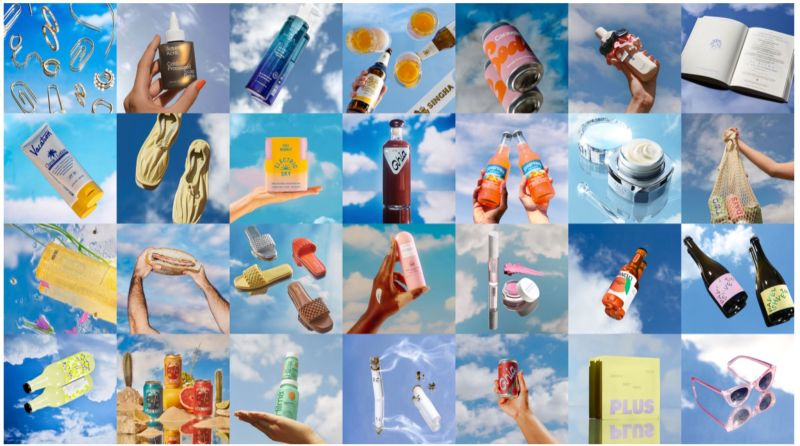
Because anyone can now generate a “perfectly fine” piece of content or a clean design in three seconds using digital tools, the internet is drowning in an ocean of mediocrity. Everything looks the same. Everything sounds the same.
Because of this saturation, authentic trust has become the rarest asset on earth.
- What Actually Works: Radical honesty. Show the flaws. Share the mistakes your company made and how you fixed them. Be transparent about where your materials come from.
- The Micro-Creator Shift: This is exactly why the era of the massive celebrity endorsement is fading out. Smart brands are walking away from the mega-influencers with millions of fake followers and partnering with hyper-niche creators who have tiny, fiercely loyal communities. Why? Because when those creators recommend something, their audience actually believes them.
If Buying Takes More Than Two Taps, Forget It
Social media feeds aren’t just billboard space anymore—they are digital storefronts. The entire journey from seeing an item to buying it has to happen right there, natively, inside the app.
Discovery ───> Native Checkout ───> Done (In under 5 seconds)
If you force a user to click a link, wait for an external browser to load, navigate a clunky mobile site, and drag out their physical wallet to type in a 16-digit credit card number, you’ve already lost them. Social commerce has removed the friction. If the checkout process feels like homework, your conversion rate is going to hit zero.
Marketing Trends Earning Data vs. Stealing It


The era of tracking people across the internet with shady third-party cookies and hidden scripts is officially over. Privacy isn’t just a legal compliance issue anymore; it’s a trust issue.
You cannot rely on spying on your audience to target them. You have to build an actual relationship that makes them want to give you their information. That means creating email newsletters people actually look forward to opening, building tight community spaces, and offering real value up front. At the end of the day, your branding is only as good as the actual experience a person has with your product. You can copy a price point or a feature overnight, but you cannot clone a flawless, respectful, and genuinely human customer experience.
Let’s strip away the polished corporate scripts and look at the real questions people are actually asking behind closed doors right now. If you are building a strategy for “Top Marketing Trends You Need to Know in 2026,” this is the completely human, zero-nonsense version of what’s actually happening on the ground.
Frequently Asked Questions
1. Google traffic is dropping across the board. Is SEO officially a dead end?
Old-school SEO—where you stuffed a page with keywords to get a blue link on Google—is on life support. According to data from HubSpot and Ahrefs, search traffic is tanking because people are switching to “Answer Engines” like Gemini, ChatGPT, and Perplexity.
2.Everyone is using AI to write content now. How do we keep from sounding like a robot?
By actually writing like a human. It sounds ridiculously simple, but because 2024 and 2025 saw a massive flood of cheap, automated “AI slop” take over the web, audiences have developed a built-in radar for generic writing.
3.Why are companies walking away from massive celebrity influencers?
Because nobody believes them anymore. Consumers are completely burnt out on mega-celebrities holding up a product they clearly got paid six figures to talk about for ten seconds.
Q4: If third-party cookies are dead, how are we supposed to target the right people?
You stop spying on them and start talking to them. The era of tracking people across the internet with shady scripts is over, especially with tighter global data privacy laws hitting hard.
Personalization means building a zero-party data strategy. That is a fancy way of saying you give people something so valuable that they willingly hand over their information. Think interactive calculators, hyper-specific quizzes, or high-value newsletters.
5.What on earth is an “AI Agent,” and why should a marketer care?
This is the biggest mental shift of the year. In 2026, you aren’t just marketing to human buyers anymore; you are marketing to their AI agents.
6. Why is short-form video still dominating when everyone says they have digital fatigue?
Because attention spans didn’t just shrink—they shattered. But the type of video that works has changed completely.
People are completely swiping past the polished, thirty-thousand-dollar studio commercials because they look like ads. What’s working is raw, unedited, vertical video shot on an iPhone. Audiences want to see the face of the founder, the real behind-the-scenes chaos, or a fast 15-second tutorial with zero fluff. If your video takes ten seconds just to show a corporate logo and an intro, you’ve already been skipped.