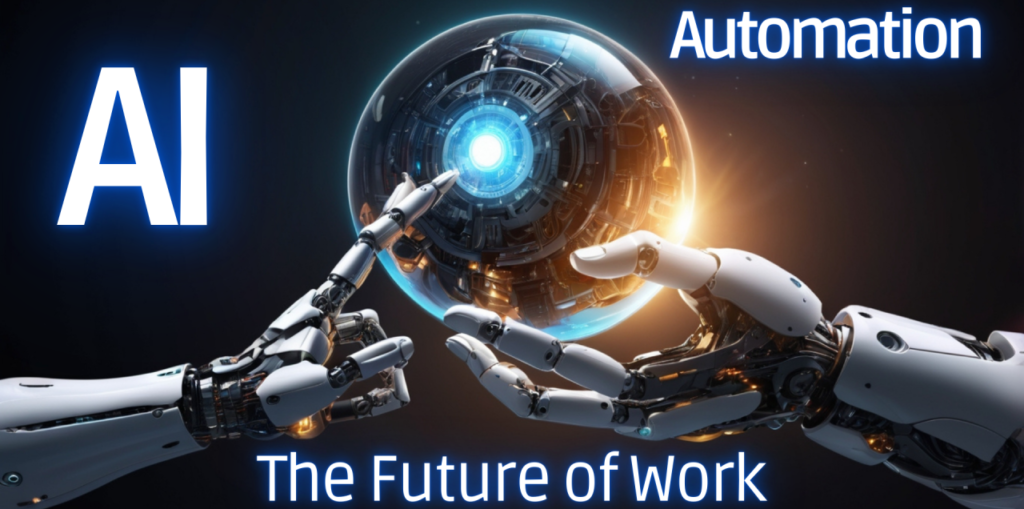
The cultural conversation around AI and Automation has become utterly exhausting. Every time you open a news app or scroll through social media, you are slapped with an extreme narrative.
But life doesn’t operate in black-and-white extremes. The actual reality unfolding right now is far more subtle, deeply human, and woven directly into our normal daily routines.
AI isn’t some looming sci-fi movie plot; it’s a functional tool. It’s the background code keeping you out of gridlock on your morning commute, the algorithm figuring out exactly what music fits your current mood, and the smart filter saving you from drowning in spam emails. This massive shift we are living through isn’t about machines automation wiping out humanity. It’s about technology finally taking the mind-numbing, repetitive grunt work off our plates so we can focus on what actually makes us human.
Flipping the Script on Progress AI and Automation
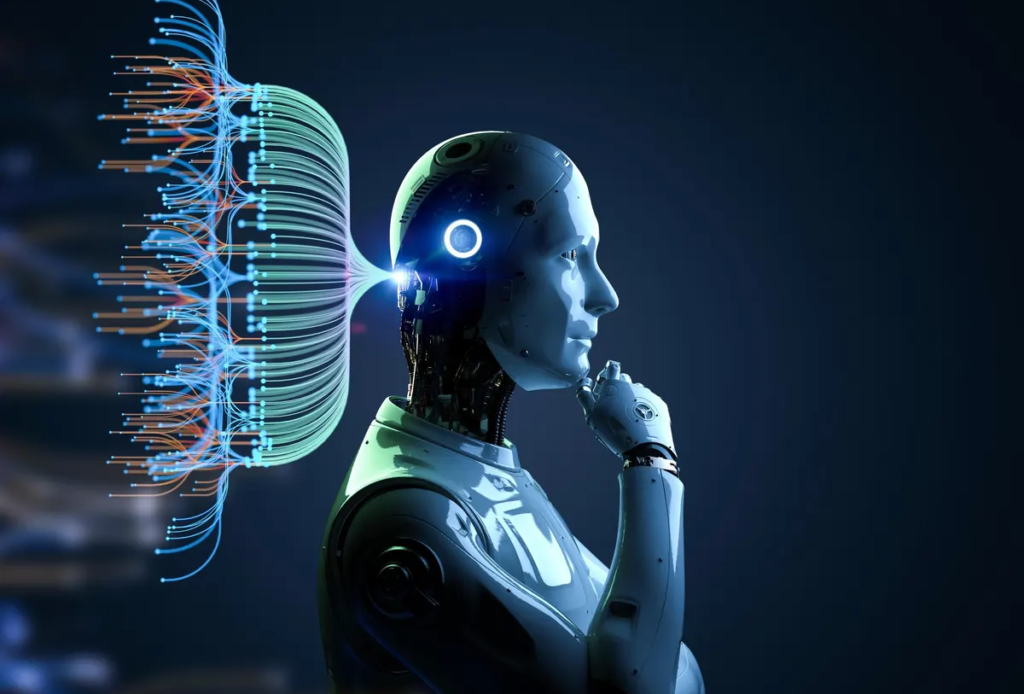
The fatal flaw in how we talk about tech is viewing it as a zero-sum game—a bitter competition where if the computer wins, the human automatically loses. That is a massive misunderstanding of how tools work.
- The Replacement Obsession: Wasting energy agonizing over the fear that a piece of software will perfectly clone your entire professional identity and render you useless overnight.
- The Co-Pilot Reality: Realizing that AI functions best as an incredibly fast, tireless assistant. Let it crunch the terrifyingly huge data sets, organize the messy spreadsheets, and handle the predictable paperwork. That clears the deck for you to do the heavy lifting: strategic thinking, creative pivots, and building actual relationships with real people.
The New Divide: What’s Going, What’s Staying Automation
[ Pure Repetition & Data ] ───> Handed off to machines (Speed, precision, zero boredom)
[ Nuance, Wit, & Empathy ] ───> Owned entirely by humans (Connection, context, strategy)
Redefining Your Daily Grind
The roles evolving the fastest aren’t vanishing; they are breaking free from monotony. If a job consists entirely of moving data from Point A to Point B, filling out identical forms, or sorting static digital files, a machine should take over. Humans are far too valuable to spend forty hours a week acting like slow hardware.
Software completely strikes out when it comes to human nuance. A program cannot read the room during a tense corporate negotiation. It doesn’t possess authentic emotional intelligence, and it fundamentally cannot grasp the deep cultural humor or subtle irony required to make a creative marketing campaign actually resonate with an audience. The future doesn’t belong to the smartest machine; it belongs to the professionals who learn how to direct these tools like a conductor leading an orchestra.

The Massive Premium on Being Human Automation
As technical, routine tasks become dirt cheap to automate, the traits that make us uniquely human are skyrocketing in value. They are your ultimate job security:
Pure Adaptability: Staying loose, learning new systems on the fly, and viewing a shifting landscape as a playground rather than a threat.
True Connection: The rare ability to listen actively, build trust, and navigate complex human emotions.
Aggressive Critical Thinking: The willingness to question the results, spot hidden biases, and make gut-level ethical calls that a line of code blindly skips.
Real-World Impact: Beyond the Office Cubicle

Healthcare with a Human Face
We are finally moving away from the depressing reality where doctors spend more time staring at a computer screen typing medical notes than looking at the patient. AI is stepping in to scan thousands of diagnostic images and cross-reference global research in a fraction of a second, flagging subtle anomalies the human eye might miss. This doesn’t replace the physician—it hands them a massive advantage, freeing them up to focus on the human being sitting in front of them who needs comfort, clarity, and care.
Education That Fits the Person

The traditional school system has always been bottlenecked by a harsh reality: one teacher trying to guide thirty kids who all learn at completely different speeds. Intelligent learning platforms are quietly dismantling that old factory model. If a kid is struggling with a concept, the tool automatically slows down and tries a fresh approach. If they fly through a lesson, it drops the next challenge without making them wait for the rest of the class. It acts as an infinitely patient tutor, allowing human teachers to step out of lecture mode and step into their true calling as mentors.
Facing the Ugly Truths
We cannot talk about the brilliance of progress without talking about the heavy weight of responsibility. AI platforms don’t think for themselves; they digest data created by human beings. That means they act like a mirror, easily absorbing our worst habits, historical prejudices, and systemic biases. If you feed an algorithm biased historical data, it will churn out quietly devastating, unfair decisions—whether that’s screening job resumes, scoring credit risks, or analyzing legal cases.
Let’s Be Crystal Clear: Technology is never neutral. It takes on the character, the motives, and the ethical blind spots of the humans who build it. Protecting personal privacy, demanding absolute transparency in how algorithms make decisions, and building solid safety nets for workers caught in the transition aren’t annoying regulatory hurdles—they are the entire foundation of a future actually worth building.
Navigating the Frontier

The coming years aren’t something you need to dread or hide from. Look around: local small businesses are now using smart tools to handle marketing logistics that used to require a massive corporate budget. Independent creators and freelancers are leveraging automated back-end systems to run their entire operations, buying themselves the rarest commodity on earth: time to actually create.
The game hasn’t changed; the tools just got sharper. Stop waiting for things to go back to the way they were, and stop hoping the technology will somehow vanish. Treat it as a craft to be learned, keep your human instincts incredibly sharp, and use the tech to amplify what you are already capable of doing.
Frequently Asked Questions
1.What’s the actual difference between AI and standard automation?
AI, on the other hand, is built to learn on the job. You don’t give it rigid rules; you give it a mountain of examples. It studies that data, finds the hidden patterns, and figures out how to handle new situations it has never seen before. Regular automation is a machine following a recipe; AI is a machine learning how to cook.
2.Is this stuff going to completely steal our jobs?
The short answer is no, but it is going to completely change how we do them.
But history shows us that every major tech shift—from the steam engine to the internet—ends up creating entirely new industries we couldn’t even imagine beforehand.
3.Which industries are actually getting hit by this the hardest?
Honestly, almost all of them, but the ones seeing the biggest shifts right now are the ones drowning in data or routine tasks.
- Healthcare: AI is scanning x-rays to catch tumors doctors might miss.
- Finance: Algorithms are spotting weird credit card transactions instantly to stop fraud.
- Customer Support: Chatbots are handling the basic, repetitive questions so humans only step in when someone has a complex, messy problem.
- Manufacturing and Retail: It’s predicting exactly how much inventory a store needs so they don’t waste money on overstock.
4.How do businesses use this without making things worse?
The smartest companies don’t use AI to fire their staff; they use it to supercharge them. They hand the tedious, boring stuff over to the software—like sorting leads, scheduling meetings, or drafting basic reports—so their teams can spend their actual energy on the things that drive real revenue: creative strategy, building relationships, and closing deals.
5.Is AI actually safe, or should we be worried?
Technology is like a hammer—it’s entirely neutral. You can use it to build a house, or you can use it to break a window. It all comes down to the ethics, intentions, and guardrails of the humans holding it. The real risk right now isn’t a sci-fi robot takeover; it’s things like data privacy leaks, hidden biases in the algorithms, and companies using the tech irresponsibly.
6.What skills do I need to survive an AI-driven future?
You don’t need to go back to school to become a hardcore data scientist or programmer unless you want to. The skills that are skyrocketing in value are the ones computers are terrible at replicating. We call them the “human premium”: genuine empathy, high emotional intelligence, sharp critical thinking, complex problem-solving, and pure adaptability.
7.What does the next decade look like?
We are going to stop talking about AI as this separate, mysterious thing because it’s going to become invisible—just a seamless part of daily life, like electricity or the internet. Your home will predict what you need before you ask, healthcare will become hyper-personalized based on your unique genetics, and the annoying, bureaucratic friction of daily life will slowly start to melt away.