Creativity is the wild, untamed river that has run through the heart of human history since the very beginning. Long before we had screens, glowing pixels, or complex algorithms, we were driven by a deep, quiet urge to leave our mark. We painted our dreams and fears onto cold cave walls by flickering firelight, wove our grief and joy into spoken folklore, and shaped raw earth into pottery that outlived us. Today, that same creative spirit continues to evolve through Powerful Creative Tools that help designers, writers, and creators transform ideas into meaningful work. From digital design platforms to advanced writing and editing software, these tools have become essential in turning imagination into reality with greater speed, precision, and impact.
This urge hasn’t changed. It is a purely human instinct—a spark born from our lived experiences, our heartbreaks, and our deep desire to say to another person, “This is how I see the world. Do you feel it too?”
Whether you are staring at a blank canvas trying to design a visual piece, struggling to find the right words for an essay, or cutting together a video to capture a fleeting emotion, you are participating in an ancient human tradition.
But let’s be honest about the world we live in right now. The landscape of creativity has shifted. We aren’t just working with charcoal and paper anymore; we are working in a vast, fast-moving digital ecosystem. Technology has handed us an incredible array of creative tools.
A Note from the Heart: These tools aren’t here to replace the warmth of human intuition. Think of them instead as fertile soil. They don’t create the seed—that comes from your mind—but they give your ideas the nutrients and space they need to take root, grow, and bloom into the world.
From independent creators quietly cultivating their own blogs to close-knit design teams trying to bring a shared vision to life, these tools have become our modern extensions. They take care of the heavy, mechanical lifting so our minds can wander, wonder, and explore the things that truly matter.
Clearing the Overgrowth: Why We Need a Breathing Room
Modern life moves at a breathless, demanding pace. The world constantly asks us for more: more content, sharper visuals, faster updates, and flawless communication. When we try to meet these heavy demands using nothing but raw, manual hustle, our inner creative well quickly runs dry. We face burnout, creative fatigue, and that heavy, uninspired feeling where the mind just shuts down.
Without the right tools to help us, creative work can feel like trying to clear a dense, tangled jungle with a pair of scissors. We get bogged down by tedious, repetitive tasks that eat away at our daylight:
Chopping video clips frame by frame until our fingers ache.
Spending hours resizing a single image for five different social platforms.
Straining our eyes scanning a long draft for a single misplaced comma.
These mechanical tasks drain our cognitive energy. They leave us too exhausted to actually think, dream, or feel the art we are trying to make.
[The Tedious Grunt Work] ---> Exhausts the Human Spirit ---> Blocks True Inspiration
[Smart Digital Tools]     ---> Frees Up Mental Space     ---> Sparks Organic Imagination
Creative tools step in as a natural irrigation system for our minds. By automating the dry, robotic parts of the process, they clear away the thick overgrowth. This shifts the weight off our shoulders and protects our mental bandwidth. It allows us to step back, breathe, and focus our energy on what machines can never do: deep strategy, authentic emotion, and original human storytelling.
Painting the Horizon: Tools That Bring the Inside Out
Visual design is essentially the art of taking an invisible thought from the hidden corners of your mind and making it visible to the world. A striking image, a gentle color palette, or a beautifully balanced layout can capture a human heart and change someone’s mood in a fraction of a second. To achieve this, we rely on design platforms that act like an extension of our own eyes and hands.
Years ago, entering the design world felt like standing at the bottom of a steep, rocky cliff. The software was incredibly expensive, clunky, and required years of frustrating technical training just to build something simple.
Today, the terrain has opened up into a wide, welcoming meadow. Modern design tools have leveled the ground, making visual expression accessible to anyone who has a story to tell.
Where These Visual Tools Breathe
- Social Spaces: Creating warm, inviting digital corners where communities can gather, talk, and share.
- Intuitive Paths: Designing websites that feel natural and effortless to navigate, like walking down a familiar path in the woods.
- Emotional Branding: Choosing colors and textures that instantly evoke a sense of trust, nostalgia, or excitement.
What’s even more beautiful is how these platforms bring people together. Teams no longer have to work in isolated silos. They can gather inside a digital canvas in real time—cross-pollinating ideas, tossing around thoughts, and watching a collective vision grow naturally, right before their eyes. When you choose a design tool, don’t just look for features; look for a space that feels comfortable and lets your imagination flow without friction.
The Flow of Thought: Writing Tools as a Gentle Compass
Writing is an act of quiet vulnerability. It is the process of taking the messy, chaotic, beautiful thoughts swirling in our heads and stretching them into a linear path that someone else can walk through. Yet, every single person who writes knows the terror of the blank page. It feels like standing alone in a vast, frozen desert, waiting for an idea to strike.
Modern writing assistants aren’t just cold spell-checkers; they act like a gentle compass when we lose our way. They help us listen to the rhythm, cadence, and texture of our prose.
Finding Balance in Our Words
| The Human Struggle | How the Tool Helps Us Breathe | The Real Human Benefit |
| Mental Fatigue | Silently catches typos and structural slips when our eyes are tired. | Keeps our message clear and our credibility intact. |
| Overthinking & Clutter | Flags dense, heavy paragraphs and suggests open air. | Keeps the reader engaged, preventing them from getting lost. |
| Stale Vocabulary | Offers vibrant, organic word alternatives. | Deepens the emotional color of our story. |
But let’s be entirely real here: a piece of software has no soul. It has never known heartbreak, it has never stared at a sunset in awe, and it doesn’t know what it feels like to love something. A tool can fix your grammar, but it cannot find your voice. The ultimate truth, the emotional resonance, and the empathy of the piece must always come directly from your own lived human experience.
The Art of Pruning: Shaping Our Raw Intentions
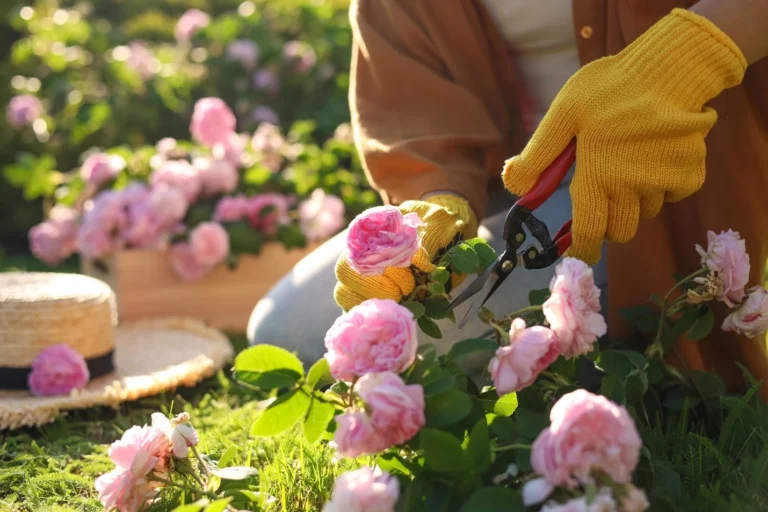
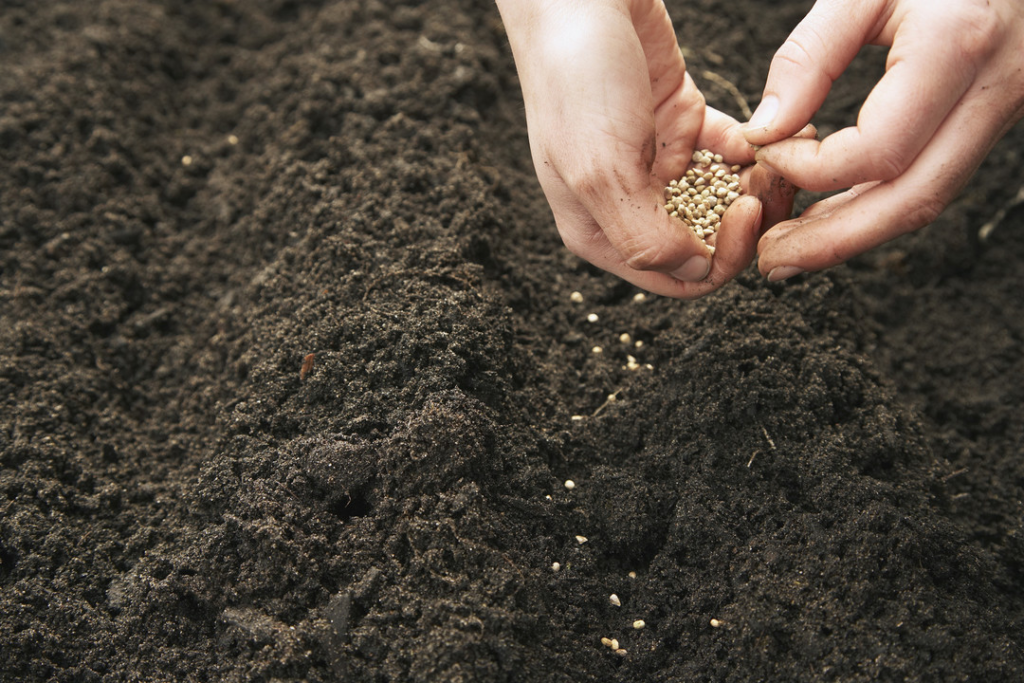
If coming up with an idea is like planting a seed, editing is the patient, slow art of pruning. Raw creation is almost always wonderfully messy and unrefined—and it should be! A first draft, a raw video clip, or an unedited photograph is just the rough stone we dig out of the earth. Editing tools are the chisels that help us reveal the masterpiece hidden inside.
For a writer, a good editing tool helps smooth out awkward phrasing so the core message can shine through clearly. For a visual artist, editing software allows us to play with contrast, highlights, and deep shadows, mimicking the beautiful ways natural light moves across the earth. In video editing, these tools help us find the right pacing, build rich soundscapes, and create transitions that mirror our internal emotional shifts.
[Raw, Beautiful Chaos] ---> The Refinement of Editing Tools ---> [A Focused, Moving Story]
Instead of losing ourselves in the exhausting, microscopic details of correcting every tiny error by hand, we can let technology flag the flaws. This gives us the freedom to lean back, look at the project as a whole, and ask the most important human question: Does this feel right?
Co-Existing with AI: A Collaboration, Not a Replacement

The sudden rise of artificial intelligence in creative work has felt a lot like a sudden change in the weather. It’s completely natural to feel a bit hesitant, or even protective of our craft. But when we approach AI with a grounded, confident mindset, we start to see it not as a competitor, but as a supportive partner in our digital ecosystem.
“AI can build the skeleton of a project in seconds, but only a human being can give it a heartbeat.”
- For the Designer: AI can instantly lift a complex background or suggest layout options, saving you from tedious mouse clicks.
- For the Writer: It can help shatter writer’s block by tossing out five different outline ideas when your brain feels completely stuck.
- For the Audio Creator: It can clean up harsh background wind and noise, ensuring the true warmth of the human voice comes through cleanly.
By letting AI handle the repetitive, robotic tasks, we save our precious human energy for the things that matter most: deep imagination, empathy, and creative exploration.
Gathering Your Tools: Building a Natural Workspace
Not every tool is meant for every hand. When you are building your personal creative toolkit, it is so important to avoid cluttering your space. Having too many apps open is just like having a messy, overcrowded desk—it clouds your thinking and breaks your natural creative flow.
If you are just starting out, choose simple, elegant tools that offer gentle guidance. If you’ve been doing this for years, look for deep, customizable environments that give you complete control over every pixel or note. Remember, the best tool isn’t the most expensive one on the market—it’s simply the one that disappears into your workflow and lets your mind create effortlessly.
Before you adopt a new piece of technology, take a quiet moment to ask yourself:
Does it genuinely take a load off my mind, or is it just another distraction?
Does this tool actually match the way my mind naturally thinks and creates?
Does it give me breathing room, or does the interface make me feel anxious?
Does it help me connect and collaborate easily with other people?

The Horizon: Where Technology Meets the Soul
As we look ahead, the future of creative tools feels incredibly promising. Technology is moving toward a place of deeper harmony with human intent. We are stepping into an era where the distance between a spark of an idea in your mind and its creation in the real world is shorter than it has ever been.
We will likely see tools that intuitively adapt to our personal style, interfaces that understand our fatigue levels, and spaces that connect creators across the globe effortlessly.
Yet, no matter how advanced, fast, or smart our tools become, the true source of creative power will always live within us. A machine can mimic our language, sort our data, and predict our patterns, but it will never know the beautiful, messy, and profound experience of being alive. Technology simply hands us the brush—the hand that guides it, and the soul behind the stroke, will always be entirely ours.