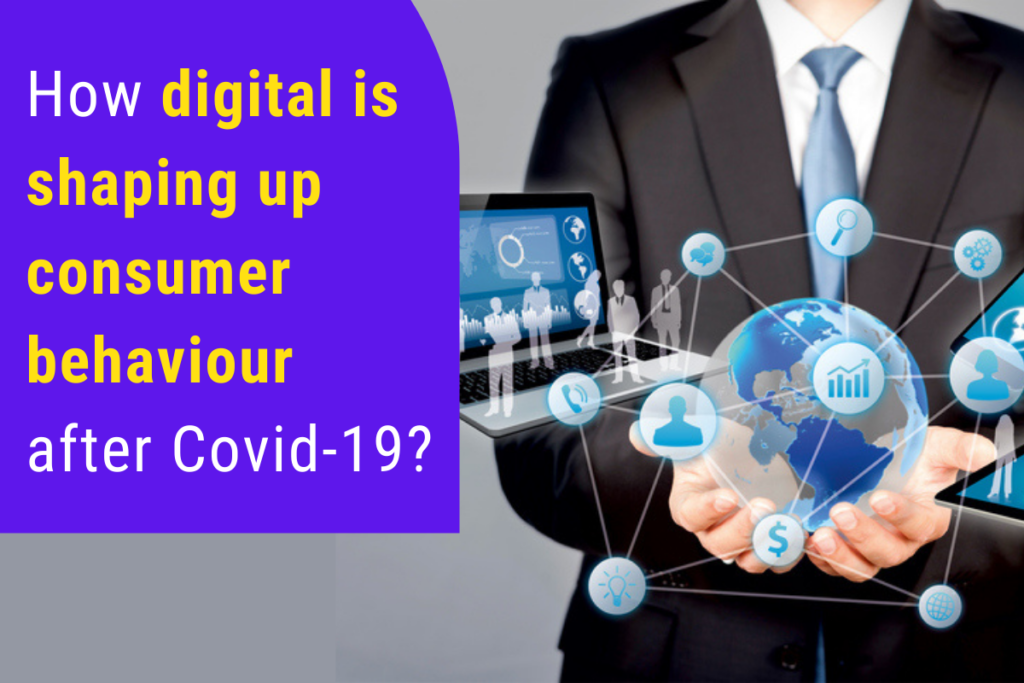
How Consumer Behavior Is Changing in the Digital World explores how tools such as AI, analytics, social media platforms, and digital marketing technologies are reshaping consumer preferences, purchasing decisions, online engagement, and customer experiences in today’s connected marketplace.
Today, consumers have all the power. We don’t rely on flashy TV commercials or billboards to tell us what is good anymore. Instead, we dive into a sea of internet data, look up real human opinions, and make up our own minds. For businesses trying to survive in this fast-moving landscape, understanding this hyper-connected digital consumer isn’t just a side project—it is the difference between thriving and going completely extinct. It’s all about meeting people where they are, offering insane convenience, and treating them like actual human beings.
The Unstoppable Rise of the Digital Consumer

Modern shoppers are smarter, more connected, and more skeptical than any generation before them. We have become expert researchers in our everyday lives. Before we ever click a “Buy Now” button or step foot inside a physical storefront, we perform a whole investigative routine online. We compare prices across five different tabs, scan through dozens of user reviews, and text our group chats to see if anyone has tried the product.
This massive access to instant information has completely flipped the power dynamic between brands and buyers. We no longer buy into generic marketing fluff because we can fact-check a claim in less than two seconds. This means companies have to completely earn our trust through transparency and real quality rather than relying on deep advertising pockets. If a product is bad, the internet will know about it instantly, forcing brands to step up their game or get left behind.
Mobile Technology Is Steering Every Single Decision
Our smartphones have basically become an extension of our bodies. They are the remote controls for our entire lives, and they completely dominate how we make buying decisions. We don’t wait until we are sitting at a desk to browse products anymore—we do it while standing in line for coffee, riding the bus, or sitting on the couch during commercial breaks.
Because we do everything on the fly, our patience for slow, clunky websites is absolutely zero. If a business has a mobile site that takes more than three seconds to load, or if the checkout process feels like filling out tax forms, we will abandon our cart instantly. Businesses can no longer treat mobile optimization as an afterthought. A seamless, lightning-fast, and beautiful mobile experience is the baseline requirement to even get a modern customer’s attention.
Social Media Isn’t Just for Connection—It’s the New Storefront
Social media platforms have evolved far beyond places where we just look at vacation photos from old high school friends. Apps like Instagram, TikTok, and YouTube have turned into massive, highly influential discovery engines. We are constantly discovering new brands and products mixed naturally into our daily content feeds.
Think about the power of word-of-mouth marketing amplified by millions of users. When an influencer we trust shows how a product works in real life, or when a random video goes viral showing a clever hack, it creates a massive wave of buying intent. We are buying things because we see real people using them, not because a corporation told us to. Social media has made shopping an incredibly visual, interactive, and community-driven experience.
Stop Treating Us Like Numbers: The Demand for Personalization
We live in an age where generic, one-size-fits-all marketing feels incredibly lazy and out of touch. As consumers, we fully understand that companies collect our data, and in return, we expect them to use it to make our lives significantly easier. We expect brands to understand our unique tastes, remember our past purchases, and respect our time.
When a brand uses smart data analytics and Artificial Intelligence to suggest a product that actually fits our current style, or sends us a discount code for something we’ve been eyeing, it creates a great experience. This level of thoughtful, personalized marketing makes us feel seen and valued as individuals. It builds genuine brand loyalty because it transforms a cold corporate transaction into a helpful, tailored relationship.
The Absolute Power of Online Reviews and Social Proof
\
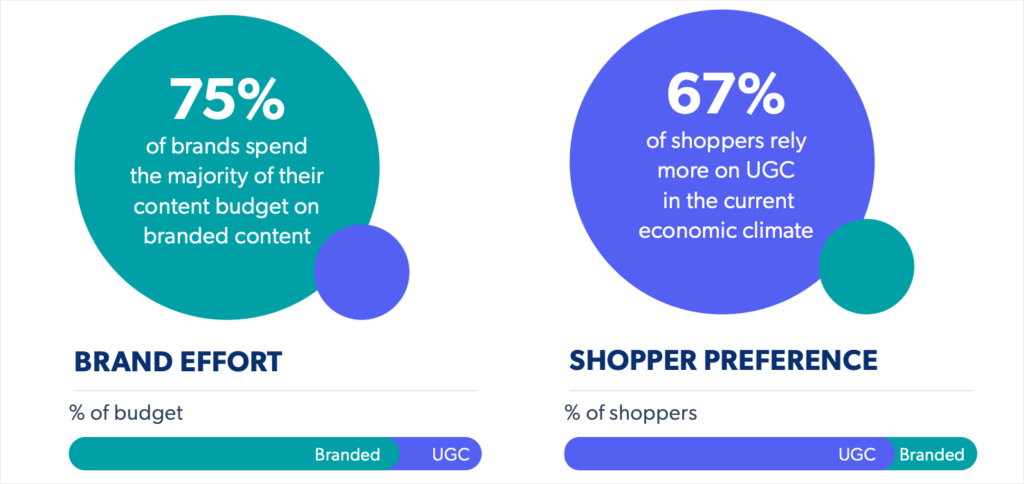
Let’s face it: we trust the word of a complete stranger on the internet far more than we trust the company selling the product. Online reviews, star ratings, and unboxing videos have become the ultimate form of social proof. A string of genuine five-star reviews can turn a tiny, unknown business into an overnight success story, while a handful of unaddressed horror stories can ruin a brand’s reputation.
We look for authenticity in these feedback loops. We can spot fake, overly polished reviews from a mile away, and we appreciate it when companies handle negative feedback with grace and real solutions. Businesses have to realize that their reputation is entirely public property now. Actively listening to customer feedback and keeping an honest, stellar online footprint is the most effective marketing strategy a brand can possess.
The Explosive Growth of Seamless E-Commerce
Online shopping has completely shifted from being a luxury alternative to becoming our default mode of survival. The pure convenience of being able to order groceries, clothes, or electronics with a single tap—and have them arrive at our doorstep the very next day—is something we now take entirely for granted.
But as e-commerce grows, our standards keep skyrocketing. To win our business, companies have to offer worry-free, incredibly secure checkout systems along with flexible payment methods. More importantly, they need to offer fast, transparent shipping and pain-free return policies. We want the peace of mind that if an item doesn’t fit or look right, sending it back won’t turn into a stressful, week-long customer service nightmare.
The Endless Need for Blazing Speed and Ultimate Convenience
In our digital world, convenience is king, and speed is its right-hand partner. We are more impatient than we have ever been. We expect immediate responses to our questions, incredibly simple buying processes, and instant access to help when things go wrong.
If a customer has a question about a product and has to wait twenty-four hours for an email response, they are already gone—they’ve bought it from a competitor who answered them via live chat in two minutes. Businesses that focus heavily on removing every single piece of friction from the customer journey are the ones winning the market. The easier and faster you make it for someone to buy from you, the more likely they are to keep coming back.
How Artificial Intelligence Is Quietly Changing the Game
Artificial Intelligence is no longer a futuristic sci-fi concept; it is actively shaping our daily shopping experiences behind the scenes. From smart chatbots that instantly solve our shipping issues at 2 AM to highly accurate recommendation algorithms, AI is making customer interactions much more efficient.
When these technologies are used correctly, they don’t feel cold or robotic—they feel incredibly helpful. A well-trained AI assistant can pull up your order history, solve a problem in seconds, and save you from the agony of waiting on hold for a human representative. It allows companies to scale up their customer support while still keeping the experience relevant and intensely personal.
We Buy from Brands That Share Our Core Human Values

Today’s consumers are looking at far more than just the price tag and product quality. We want to know the soul of the company we are giving our hard-earned money to. We care deeply about things like environmental sustainability, ethical supply chains, fair labor practices, and real social responsibility.
We want to support businesses that align with our personal worldview. If a brand feels fake, hypocritical, or purely motivated by corporate greed, we will happily take our business elsewhere. Companies that show true authenticity, stand up for real causes, and build genuine trust are creating long-term advocates who will defend and promote the brand for years to come.
Seamless Journeys: The Omnichannel Reality
As modern shoppers, we don’t think in terms of “channels.” We don’t separate our experience on a brand’s website from our experience inside their physical store or on their Instagram page. To us, it is all the exact same company, and we expect a completely unified, consistent journey.
Imagine browsing an item on your phone, saving it to your cart, walking into a retail store, and the sales associate being able to pull up that exact cart instantly. That is what a great omnichannel strategy looks like. When a business connects its digital footprint with its physical reality, it removes confusion, saves time, and builds an incredibly strong bond of customer loyalty.
Protecting Our Data: Privacy Is a Massive Priority
While we love personalized perks, we are also highly aware of how much of our personal data is floating around the internet. With data breaches and privacy scandals constantly hitting the news, modern consumers are becoming incredibly protective of their personal information.
We want total control over what we share, and we expect businesses to handle our data with absolute care and respect. Brands that are completely transparent about their privacy policies, use top-tier security systems, and never sell our data to sketchy third parties will earn our respect. Trust is the most fragile currency in the digital age, and protecting customer privacy is the only way to keep it.
A Sneak Peek into the Future of How We Shop

The digital landscape isn’t slowing down for anyone, and the future of consumer behavior promises to be even more wild and fascinating. We are on the verge of seeing technologies like augmented reality and virtual reality become completely mainstream. Imagine trying on clothes virtually in your living room or seeing exactly how a couch looks in your space before buying.
We will see the rise of hands-free voice commerce and even deeper levels of predictive personalization where systems anticipate what we need before we even realize it ourselves. The businesses that stay ahead of the curve, keep an open mind, and always put human needs first will be the ones defining the future of commerce.
Keep It Human, Keep It Simple
When you strip away all the advanced technology, algorithms, and data metrics, digital consumer behavior is still driven by core human desires. We want to feel valued, we want our lives to be easier, and we want to buy from businesses we actually trust.
Technology is just the tool we use to achieve those things. The companies that will truly win the future are the ones that use digital tools to build deeper, more authentic human connections. By keeping things convenient, transparent, and intensely focused on the customer, businesses can build bulletproof relationships that stand the test of time.