
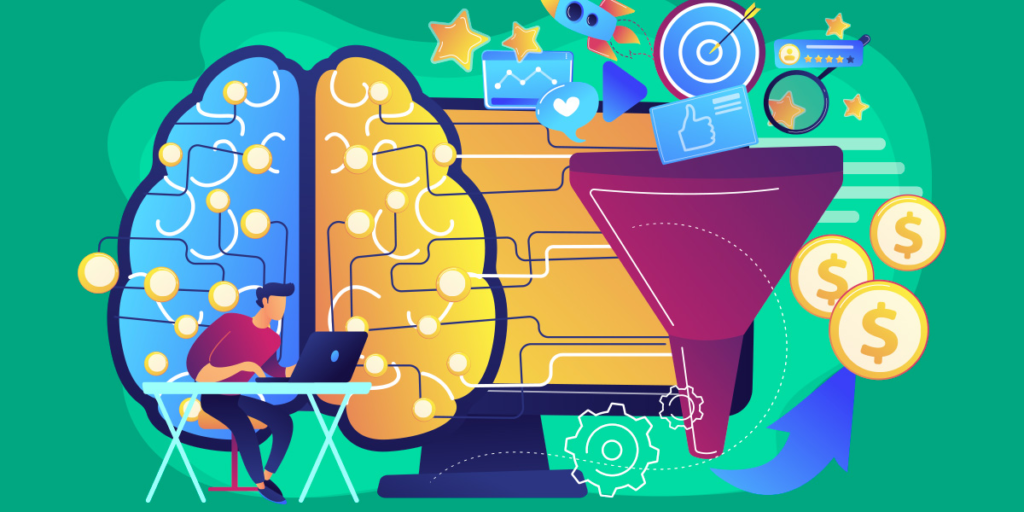
One of the absolute biggest, most expensive mistakes I see businesses make is trying to be everything to everyone. It sounds logical on paper, right? “My product is great, so everyone should want it!” But when you broaden your message to avoid leaving anyone out, you end up creating something so bland, generic, and watered-down that it fails to connect with a single living soul.
Real marketing begins when you zoom in completely on your specific tribe. You need to know them inside out:
- What keeps them up at 2:00 AM?
- What specific, annoying daily problem are they desperately trying to solve?
- Where do they actually hang out online when they want to escape?
- Do they read deep-dive essays, or do they scroll short-form video clips?
The more crystal-clear your picture of this person is, the easier it becomes to write copy and launch campaigns that make them stop scrolling and think, “Wow, this brand actually gets me.”
And you don’t have to guess. Dig into your website analytics, run casual surveys, look at what people are saying in your social media comments, and actually talk to your current customer base. The data is right there waiting for you to piece it together.
Building a Brand Identity That Actually Sticks
In a market where practically every product is a commodity, your brand identity is your only true defense against getting undercut on price.
Here is something psychology tells us over and over again: people don’t fall in love with product features; they fall in love with how a brand makes them feel. A truly great brand builds recognition, safety, and deep loyalty over a long period.
Your brand is a living, breathing ecosystem. It’s not just a pretty logo you paid a freelancer a few bucks for. It is the tone of voice in your emails, the ease of navigating your website, how your team handles a frustrated customer on the phone, and the values you publicly stand for.
[Visuals & Logo] + [Voice & Communication] + [Customer Service Care] = Your True Brand Identity
The absolute linchpin here is consistency. If your Instagram looks sleek and modern, but your website looks like it belongs in 2004 and your customer support feels cold, you create cognitive dissonance. The customer gets confused, the trust cracks, and they slip away to a competitor who feels more reliable. Strong, unforgettable brands aren’t built overnight through a viral stunt; they are forged over time through a million tiny, consistent, positive interactions.
Content Marketing: Giving Value Before Requesting a Wallet
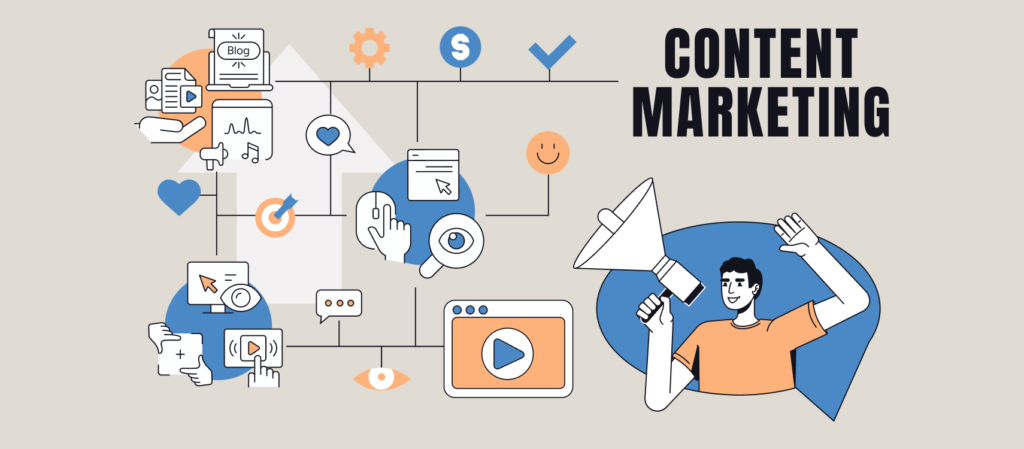
Content marketing is one of those terms that gets thrown around a lot in boardrooms, but its core concept is beautifully simple: stop selling, and start helping.
Traditional advertising interrupts people. It’s a commercial breaking up a favorite show or a pop-up blocking an article. Content marketing does the opposite—it becomes the thing people are actively searching for. Instead of shouting, “Hey, buy my product!” you create high-quality blog posts, breakdown videos, podcasts, or free guides that genuinely answer your audience’s questions or solve their minor headaches for free.
The Law of Reciprocity: When a business consistently provides immense, unselfish value without immediately demanding a credit card number, it shifts from a random vendor to a trusted industry authority.
When that user is finally ready to make a purchase, guess who is at the top of their mind? The company that already helped them out for free. As a bonus, creating this type of helpful content naturally signals to search engine algorithms that your site is a valuable resource, driving organic, free traffic straight to your digital doorstep.
The Long Game of Search Engine Optimization (SEO)
If you want sustainable, long-term growth that doesn’t completely dry up the second you stop pumping money into paid ads, you have to invest in SEO.
Think about your own behavior. When you need a plumber, a new pair of running shoes, or a specific business tool, what do you do? You open a search bar. If a business manages to secure a spot at the very top of those organic results, they win a massive, unfair advantage.
+------------------------------------+------------------------------------+
| Paid Advertising (PPC)             | Organic SEO Investment             |
+------------------------------------+------------------------------------+
| Instant traffic, but stops the     | Takes time to build momentum, but  |
| exact second you stop paying.      | compounds and lasts for years.     |
+------------------------------------+------------------------------------+
Real SEO isn’t about trying to trick an algorithm with keyword stuffing or weird technical hacks. It’s about optimizing your site’s speed, making sure it functions flawlessly on mobile, targeting the actual questions your customers are typing, and earning genuine backlinks because your content is genuinely good. It’s a long game, absolutely, but the compounding return on investment is unmatched.
Social Media: Creating Conversations, Not a Digital Megaphone

Social media completely flipped the script on how businesses interact with the public. Platforms like Instagram, LinkedIn, TikTok, and X have given brands a direct, unfiltered line to their audience. But here is where most corporate accounts completely miss the mark: they treat their profile like a digital billboard to blast non-stop promotional graphics.
No one opens a social media app hoping to see a corporate pitch. People want connection, entertainment, or education.
The businesses that absolutely crush it on social media use these platforms to start real conversations. They show the messy, human side of their operations behind the scenes. They reply to comments with actual humor and personality instead of copy-pasted corporate templates. They lean into authenticity. When you treat your followers like real people rather than statistics on a marketing dashboard, you build a community of loyal advocates who will defend your brand across the internet.
The Underrated Muscle of Email Marketing
With all the hype surrounding new social algorithms and digital platforms, it’s easy to dismiss email marketing as a relic of the past. That would be a massive mistake. Dollar for dollar, email still routinely outperforms almost every other digital marketing channel in existence.
Why? Because you own the data. When you build a social media following, you are renting space on land owned by a tech giant; they can change their algorithm tomorrow and instantly cut your reach in half. Your email list belongs entirely to you.
The key to a killer email strategy is protecting your subscribers’ inboxes like sacred ground. If you spam them with constant “10% OFF!” sales pitches, they will hit unsubscribe faster than you can blink. But if you treat your newsletter as a premium pipeline delivering curated insights, personalized stories, and exclusive value, it becomes an incredibly powerful tool for nurturing relationships and generating predictable, repeat business.
Social Proof: Let Your Customers Do the Heavy Lifting

Let’s look at a basic truth about human nature: we don’t trust companies, we trust other people. You can write the most brilliant, persuasive sales copy in the world, but a consumer will still instinctively value a single sentence written by a random stranger online over your entire marketing department’s output.
This is the power of social proof. Reviews, video testimonials, and case studies are absolute gold in a competitive market.
[Brand's Pitch] ➔ Met with skepticism and natural defense mechanisms.
[Customer Review] ➔ Met with instant trust and validation.
Make it incredibly easy for your happy clients to share their experiences. Send a gentle, automated follow-up email after a successful delivery, offer a tiny incentive, or just ask them directly. Seeing a wall of authentic, positive feedback strips away the psychological friction of buying and gives new prospects the confidence they need to take the plunge.
Letting Data Do the Thinking

The beautiful thing about marketing in the digital age is that we no longer have to throw things at the wall in the dark and hope they stick. Every single thing we do leaves a digital footprint. We have instant access to a mountain of data—conversion rates, email open metrics, bounce rates, and click-through numbers.
But data is only useful if you actually open the dashboard and look at it with an open mind. It forces you to leave your ego at the door.
If you spent three weeks creating a video that you personally think is a masterpiece, but the metrics show that 90% of your audience clicks away within the first three seconds, the data is telling you something vital. It allows you to pivot, trim the fat, and double down on what is actually moving the needle, ensuring that every dollar of your budget is working as hard as possible.
Looking Forward
At the end of the day, winning the marketing game isn’t about outspending the competition or manipulating people with flashy psychological tricks. It’s about building relationships. It’s about being so clear about your value, so helpful with your content, and so consistent with your execution that choosing your business becomes the only logical choice for your target customer.
As the marketplace gets faster and noisier, the companies that choose to slow down, listen to their audience, and lead with genuine value are the ones that will build a fortress around their brand and thrive for years to come.
FAQ’s
1. What is the most effective marketing strategy?
The most effective strategy is understanding your target audience and delivering valuable content that meets their needs.
2. Why is digital marketing important today?
Digital marketing helps businesses reach larger audiences, increase brand awareness, and generate more leads online.
3. How does SEO help marketing?
SEO improves a website’s visibility in search engines, helping attract more organic traffic and potential customers.
4. Is social media marketing necessary for businesses?
Yes, social media helps businesses engage with customers, build trust, and promote products or services effectively.
5. How can small businesses compete in a crowded market?
Small businesses can compete by focusing on a specific audience, offering excellent customer service, and using cost-effective marketing strategies such as SEO, content marketing, and email marketing.