

Discover the best productivity Software in 2026 with expert reviews, feature comparisons, pros and cons, pricing insights, collaboration tools, project management solutions, automation features, and work management platforms for teams and professionals.
We are currently living in a golden age of information efficiency, but we are also suffering from a massive deficit of genuine human connection.
“Humanizing” your blog content isn’t a technical trick or an optimization hack. It is the simple, intentional act of writing like a real person who has a pulse, a sense of humor, a few opinions, and a unique story to tell. It’s about trading clinical perfection for relatable authority. Because at the end of the day, people don’t connect with logos, corporations, or automated algorithms—people connect with people.
The Massive Shift in What Readers Actually Want

For a long time, the internet rewarded a very specific type of writing. If you wanted to rank high on search engines, you were told to write in a dry, perfectly optimized, authoritative tone. The result? A massive sea of content that sounds exactly the same.
But things are shifting dramatically. Readers today have developed an incredibly sharp radar for fluff, generic advice, and robotic phrasing. When someone clicks on your blog, they aren’t just looking for a raw list of facts. If they just wanted data, they could pull up a spreadsheet. They are looking for perspective, lived experience, and a voice they can actually trust.
Writing a humanized blog means letting your guard down just enough to show your readers that you’ve been in their shoes. If you are writing about personal finance, don’t just list budgeting rules—mention that time you completely blew your paycheck on something ridiculous and what it taught you. That tiny bit of vulnerability is the exact point where a casual reader turns into a loyal fan.
Core Pillars of a Voice That Feels Alive
| Pillar | What It Means | Why It Changes Everything |
| The “Coffee Shop” Rule | Writing exactly the way you would speak to a friend over a cup of coffee. | Instantly drops the stuffy, formal barrier and makes your content effortless to read. |
| First-Person Proof | Generously using “I,” “we,” and “you” instead of speaking from a distant, nameless cloud. | Creates an active conversation between you and the reader instead of a lecture. |
| Empathy First | Actively acknowledging the frustrations, doubts, and messy realities your reader is facing. | Makes the reader feel deeply understood, which is the foundation of real digital trust. |
| Imperfection | Leaving room for natural phrasing, brief asides, and an occasional touch of casual wit. | Proves to the reader’s brain that there is a living, breathing human behind the keyboard. |
How to Ditch the Corporate Stiff Neck
The biggest trap most writers fall into is changing their entire personality the moment they open a blank Google Doc. They become deeply concerned with looking “professional.” They start using words like utilize instead of use, synergy instead of teamwork, and subsequent to instead of after.
Here is the golden rule: If you wouldn’t say a sentence out loud to a coworker or a friend, do not type it into your blog.
When you read your draft out loud—and you should always read your drafts out loud—listen for the moments where your breath catches or where the phrasing feels clunky. If a sentence feels like a tongue-twister or sounds like a legal contract, chop it up. Shorten your paragraphs. Use fragments occasionally for emphasis. Let your writing breathe. The easier your content is to read, the more likely your message will actually sink in.
Balancing Technology with Soul

There is no denying that tools like Artificial Intelligence have completely changed the way we create content. They are incredible for brainstorming outlines, organizing scattered thoughts, and breaking through the dreaded wall of writer’s block. But technology should only ever be the skeleton of your work—your voice is the skin, the muscle, and the heart.
An automated tool can give you the five best tips for time management, but it can never describe the specific panic of watching a laptop battery die during a client presentation, or the exact feeling of relief when a hard project finally crosses the finish line. Use technology to clear away the tedious logistics of writing, but always step in to inject your own flavor, your own anecdotes, and your own perspective.
Quick Check: Is Your Blog Sounding Too Robotic?
- Are your paragraphs longer than four lines? If yes, break them up. Massive walls of text look like homework, and no one wants to do homework in their free time.
- Are you hiding your opinions? If your article reads so safely that absolutely no one could possibly disagree with it, it’s probably a bit boring. Take a stance.
- Is it missing stories? Every great human blog post uses mini-stories or brief examples to anchor complex ideas. If you are explaining a concept, immediately follow it with: “For example, last Tuesday…”
- Is the tone cold? If your writing sounds like an automated email from an airline notifying someone of a flight delay, it’s time to warm it up. Talk to your reader, not at them.
Productivity Software Features Checklist
| Feature | Importance |
|---|---|
| Task Management | Organizes daily work |
| Project Tracking | Monitors project progress |
| Team Collaboration | Supports communication |
| File Sharing | Easy document access |
| Workflow Automation | Reduces manual effort |
| Time Tracking | Measures productivity |
| Mobile Access | Work from anywhere |
| Reporting & Analytics | Tracks performance |
The Ultimate Goal: Building a Digital Community
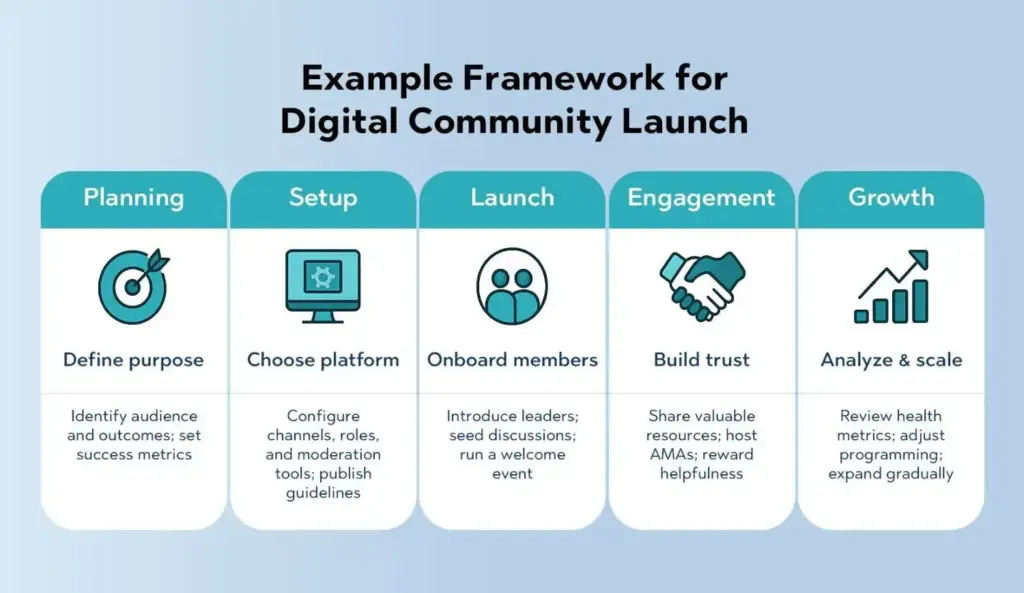
At the end of the day, a humanized blog does something that standard, clinical content can never replicate: it builds a community. When people feel the person behind the words, they don’t just read and leave. They leave comments, they share your link with their friends, they subscribe to your newsletter, and they buy what you are offering because they genuinely like you.
Stop trying to write for everyone, and stop trying to sound like a perfect corporate entity. Lean into your quirks, share your real-world wins and losses, and write with a warmth that makes your little corner of the internet feel a bit more welcoming.