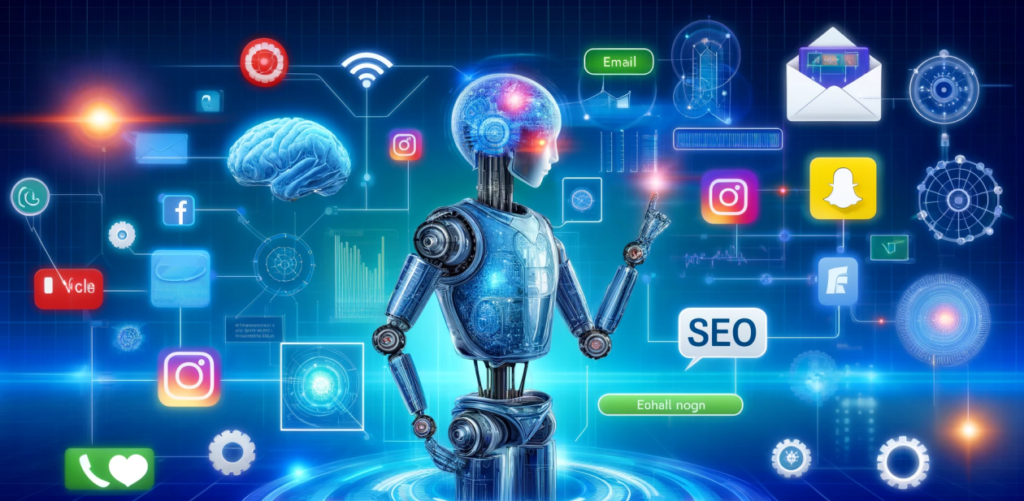
Marketing has always evolved like the seasons. Just as we adapted from the quiet days of print newspapers and television spots to the noisy world of social media, we are now adjusting to a massive new climate shift: artificial intelligence. What used to feel like a distant, sci-fi concept has quietly woven itself into the fabric of our daily routines.
But here’s the thing—the rise of smart tech doesn’t mean we throw our old human instincts out the window. Instead, it’s a new partnership. Think of it as a collaboration where raw technology acts as the soil, and human creativity provides the seed, working together to cultivate deeper, more meaningful connections with actual people.
Sifting Through the Noise to Find Meaning
At its core, AI is just a tool designed to process, notice patterns, and sort through chaos at a speed we humans simply can’t match. Every single day, people leave digital footprints everywhere—through late-night search queries, casual clicks, and online shopping habits. Trying to read or analyze that mountain of data manually would feel like counting grains of sand on a beach. It’s exhausting and impossible.
AI acts like a compass in this wilderness. It filters out the background noise and surfaces the things that genuinely matter. By leaning on machine learning, we can stop relying on blind guesswork and start truly listening to what our audience is trying to tell us.
Personalization: Treating People Like People

Let’s be honest: nobody likes feeling like a number on a spreadsheet or getting a generic, one-size-fits-all ad blasted at them. We want to be seen. We want brands to recognize our individual quirks and preferences.
AI is the engine that makes this personal touch possible, even on a massive scale. By paying attention to a person’s unique habits and history, it allows businesses to tailor experiences in a way that feels incredibly thoughtful:
- Online shops can suggest clothing that actually fits your personal style, rather than just pushing whatever is on clearance.
- Streaming apps can accurately predict what kind of story you need to hear after a long, exhausting day.
- Inboxes stop filling up with spam and start receiving messages that actually align with your current interests.
When a brand takes the time to notice these details, it sparks a genuine sense of appreciation, making people far more likely to stay loyal.
The Creative Symbiosis
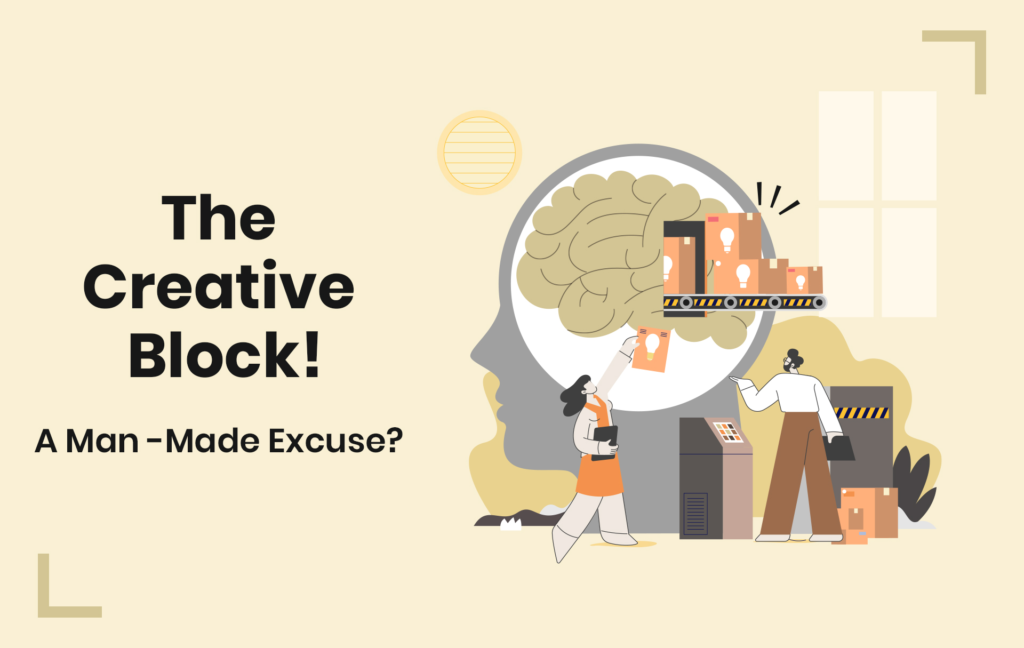
Content is the heartbeat of marketing. It’s how we tell stories, share ideas, and build trust through blogs, videos, and conversations. But as any creator knows, staring at a blank screen waiting for inspiration to strike can feel entirely draining.
AI tools are fantastic for clearing that initial hurdle. They can help brainstorm raw concepts, organize messy thoughts into outlines, patch up grammar, and clean up the technical details. But technology has a hard ceiling. An algorithm has never felt heartbreak, never laughed until its stomach hurt, and doesn’t understand the nuance of a shared human experience.
True authenticity requires a human soul. The best work moving forward will come from creative minds using AI to handle the tedious logistics so they have more breathing room to focus on genuine storytelling.
Intuitive and Responsive Campaigns

Traditional advertising used to feel a bit like casting a massive net into a dark ocean and hoping for the best. It relied heavily on broad demographic assumptions. AI flips that approach on its head by adding precision and empathy to the process.
Smart algorithms look at real-time behaviors to figure out who actually wants to hear what you have to say right now. Even better, these systems are flexible—they adapt to the flow of the market. If a particular message isn’t hitting home, the system intuitively shifts resources toward the ideas that are genuinely clicking with people. It saves money, reduces digital waste, and keeps the conversation relevant.
Looking Ahead: Predictive Analytics
One of the most fascinating aspects of this technology is its ability to look at where we’ve been to help map out where we’re going. By studying past behaviors, predictive analytics gives us a glimpse into consumer trends before they fully blossom.
Imagine a small boutique knowing instinctively which fabrics and colors will comfort people in the coming winter, or an online shop recognizing when a loyal customer might need a refill on their favorite product and sending a gentle reminder. By anticipating needs before they become urgent, businesses can serve people better and build lasting trust.
Conversational Support and the Power of Voice
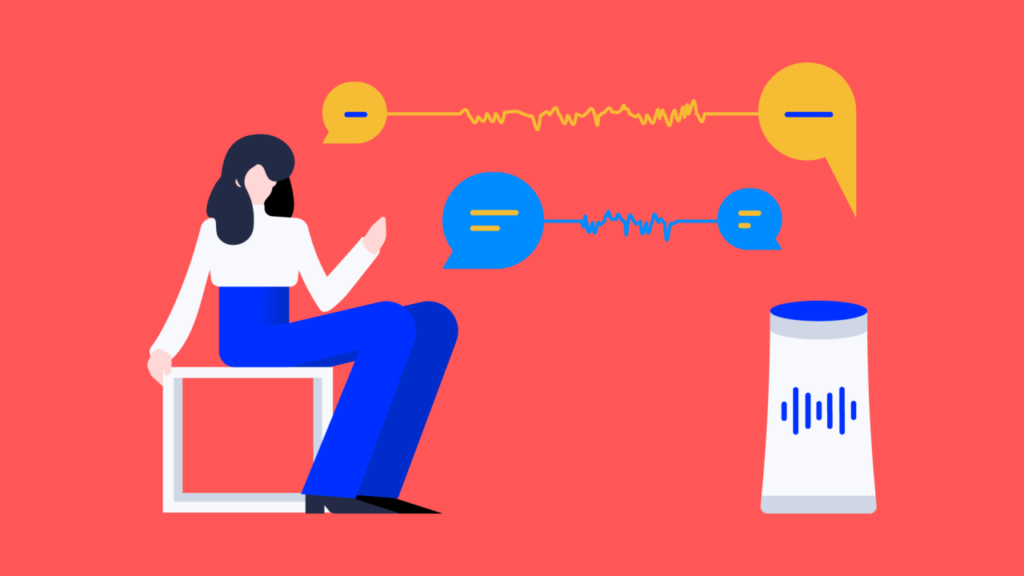
When people reach out to a business with a problem, they aren’t looking for a bureaucratic headache; they want to be heard and helped. AI-driven chatbots have stepped into this space, offering a steady, 24/7 presence.
Thankfully, these systems are growing out of those rigid, frustrating robotic scripts of the past. Thanks to leaps in natural language processing, interacting with them is starting to feel much more like talking to a helpful neighbor. They can solve basic issues, offer real guidance, and keep the doors open around the clock, ensuring no one is left stranded in the dark.
This shift matches how we interact with technology at home, too. With the explosion of voice assistants, our searches have become deeply conversational. We don’t type cold keywords anymore; we ask full, natural questions. Marketing is learning to speak like a human again because that’s exactly how people are searching.
Facing the Ethical Landscape
We can’t talk about the power of AI without pausing to think about the shadows it casts. Gathering data comes with a massive responsibility. People are understandably fiercely protective of their privacy, and they want absolute honesty about how their personal lives are being tracked and recorded.
Furthermore, we have to acknowledge that AI is a mirror—it only knows what we teach it. If the historical data we feed it contains human biases, the algorithm will repeat those mistakes. Prioritizing ethical tech practices and fiercely guarding user privacy isn’t just a legal checkmark; it is the absolute foundation of human trust.
The Heart of the Marketer

There is a nagging fear in the back of many minds that machines are coming to replace us. But when you look closely at what makes marketing work, that fear begins to fade.
What Machines Can’t Copy: An algorithm can calculate, but it cannot empathize. It can optimize, but it cannot dream. Strategic vision, emotional intelligence, and the ability to look someone in the eye and build a relationship remain entirely, beautifully human.
The future isn’t a race against machines; it’s a walk alongside them. Marketers will pass off the heavy lifting of data analysis to AI, freeing up their mental energy to focus on what humans do best: imagining, feeling, and connecting.
Rooting for the Underdog
Perhaps the most beautiful thing about this technological shift is how it levels the playing field. In the past, cutting-edge marketing tools were locked behind the massive paywalls of giant corporations.
Today, these resources are blossoming everywhere, becoming affordable and accessible to independent creators and local storefronts alike. A small, family-owned business can now use AI to nurture their email community or polish their digital presence, giving them the strength to stand tall alongside industry giants.
Final Thoughts
When you look at the big picture, the future of marketing isn’t cold, sterile, or robotic. AI is simply rewiring the framework, giving us better tools to listen, understand, and adapt.
At the end of the day, the heartbeat of any successful campaign will always be human connection. The businesses that thrive tomorrow will be the ones that use the sharp analytical mind of AI without losing their own warm, empathetic human heart. Tech isn’t erasing the human element—it’s challenging us to be more human than ever before.
FAQ’s
1. What is AI-driven marketing?
AI-driven marketing uses artificial intelligence technologies to automate tasks, analyze data, personalize customer experiences, and improve marketing performance.
2. How does AI help businesses understand customers?
AI analyzes customer behavior, preferences, and interactions to provide valuable insights that improve marketing strategies.
3. Can AI create marketing content?
Yes, AI can assist with content creation by generating ideas, drafting content, optimizing keywords, and improving readability.
4. Is AI useful for small businesses?
Yes, affordable AI tools help small businesses improve efficiency, customer engagement, and overall marketing effectiveness.
5. Will AI replace marketers in the future?
No. AI supports marketing professionals by automating routine tasks, but human creativity, strategy, and relationship-building remain essential.