Let’s be completely honest about the state of modern marketing: the pressure to produce content right now is absolutely relentless. Businesses are caught in an endless cycle of writing search-engine-optimized blog articles, scripting social media reels, drafting email newsletters, and updating product descriptions across multiple digital storefronts. Trying to meet this overwhelming demand using old-school, manual workflows is a fast track to team burnout and diluted messaging. This is exactly why strategic marketing teams are embedding artificial intelligence into their creative lifecycles.
However, there is still a stubborn, anxiety-driven misconception that adopting automation means replacing human writers with cold, robotic algorithms. In reality, throwing generic, unedited machine text at your audience is a surefire way to destroy your brand’s credibility and tank your search engine rankings. True marketing mastery centers entirely on treating technology as a high-powered research assistant while relying on human intuition, emotional depth, and real-world experience to provide the actual soul of the content. When you blend software efficiency with human empathy, you build an unstoppable content engine.
[Traditional Content Fatigue] ──> Inject Human-AI Workflows ──> High-Velocity, Authentic Brand Growth
1. Rapid Ideation and Breaking Through Creative Blocks

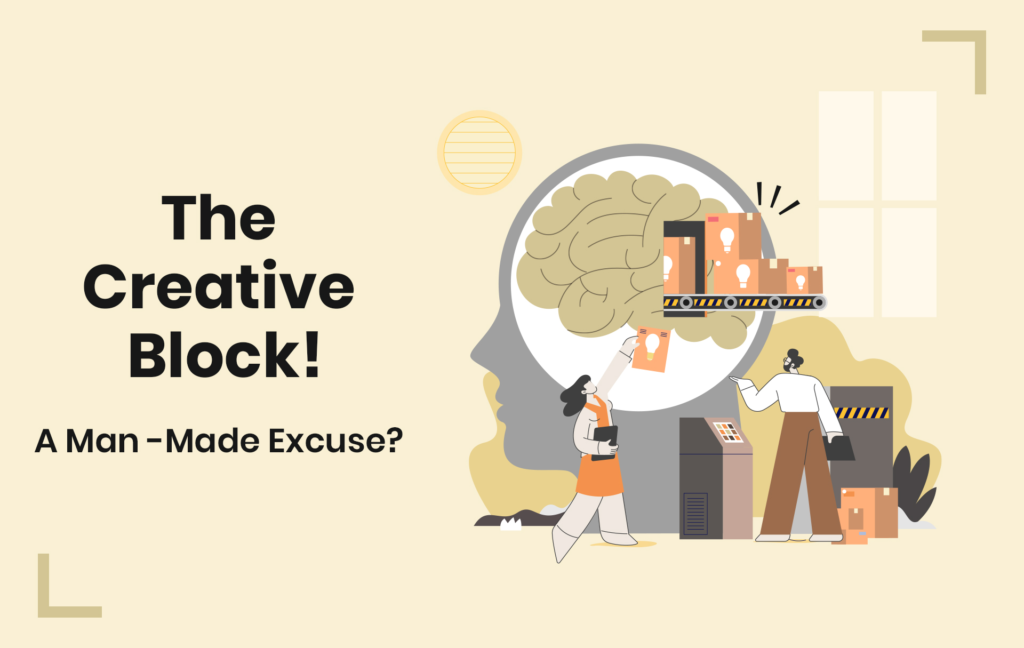
The single most exhausting phase of any content marketing campaign is staring at a blank document, trying to dream up fresh, engaging topics week after week. It is incredibly easy for a small creative team to run out of steam and start repeating the same tired concepts. This initial bottleneck is where digital tools offer an incredible competitive advantage.
+------------------------------------+------------------------------------+
| Traditional Brainstorming Traps    | High-Velocity AI Ideation          |
+------------------------------------+------------------------------------+
| Relying on pure guesswork          | Processing real-time search trends |
| Spending hours browsing forums     | Instantly mapping audience intent  |
| Sticking to safe, repetitive topics| Generating hundreds of unique angles|
+------------------------------------+------------------------------------+
Instead of guessing what your audience cares about, you can use advanced discovery tools to analyze massive waves of search data, consumer forums, and industry trends in seconds. Feeding a basic theme into an intelligent assistant allows you to immediately uncover the exact questions your customers are asking online. This drastically reduces your initial research timelines, giving your writers a curated library of high-interest topic clusters so they can focus their mental energy on crafting deep, valuable narratives.
2. Streamlining the Drafting and Structural Editing Process
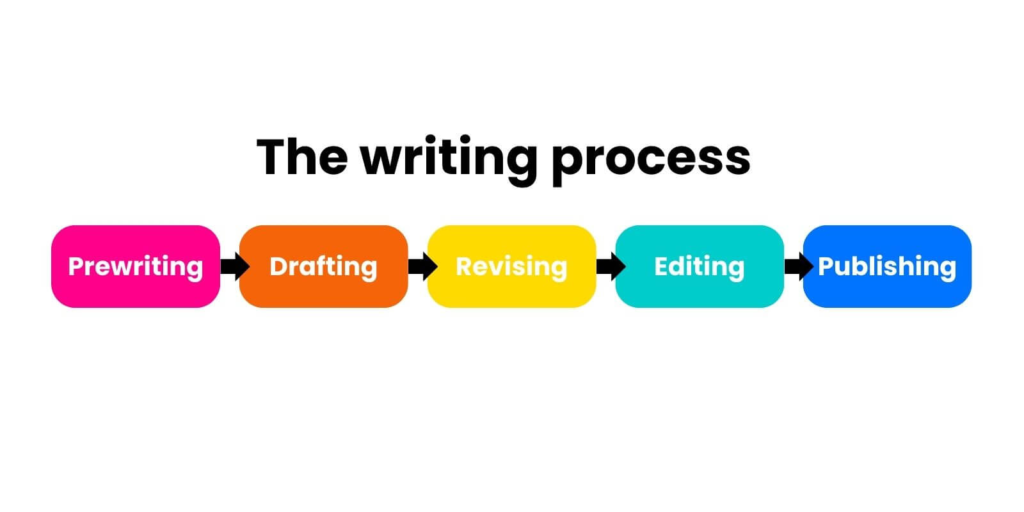
Writing a compelling long-form article requires a significant amount of structural heavy lifting before you even write your first sentence. You have to map out a logical flow, organize complex arguments, and write catchy headings that keep readers moving down the page. Turning this entire process over to a manual workflow often causes lengthy project delays.
[Scattered Notes] ──> Structured Outline Engine ──> Polished First Draft ──> Human Brand Polishing
Modern writing assistants excel at constructing rigid article blueprints and refining raw structural layouts. You can pass your rough, scattered notes to an internal tool and ask it to output a clean, logical outline or suggest five distinct variations for an attention-grabbing headline. By using technology to break through the initial friction of the first draft, your creative team can skip past the tedious formatting stages and spend their premium hours injecting unique brand personality, storytelling, and expert insights into the final piece.
3. Delivering Personalization Without Sacrificing Mass Scale

Modern consumers have developed an intense filter for generic, one-size-fits-all advertising materials. If an email campaign or product recommendation feels like a blast sent to millions of random people, users will immediately hit the delete button or unsubscribe from your ecosystem entirely.
          ┌────────────────────────────────┐
          │   The Hyper-Personalization Map│
          └───────────────┬────────────────┘
                          │
         ┌────────────────┼────────────────┐
         ▼                ▼                ▼
┌─────────────────┐ ┌───────────────┐ ┌──────────────────┐
│ Behavioral Triggers│ │ Dynamic Copy  │ │ Contextual Offers│
│ Track user path │ │ Adapt tone to │ │ Recommend items  │
│ history instantly │ │ customer type │ │ based on history │
└─────────────────┘ └───────────────┘ └──────────────────┘
By leveraging data-driven automation, brands can segment their customer bases dynamically and tailor hyper-focused messages to distinct user avatars. Advanced algorithms can evaluate a user’s past browsing history, geographic location, and purchasing patterns to instantly serve up relevant educational articles or customized promotional offers. This level of personalized marketing allows a small business to make every single customer feel seen and understood on an individual level, driving massive long-term retention rates without requiring manual staff intervention for every interaction.
4. Navigating the Evolving Rules of Search Engine Optimization
Search engine optimization is no longer about tricking an algorithm by stuffing a repetitive list of keywords into an unreadable webpage. Modern search networks prioritize helpful, people-first content that directly resolves a user’s query with clarity and depth. Navigating these highly sophisticated evaluation matrices requires a deeply technical approach to structure.
Using intelligence platforms allows you to systematically audit your competitors, track search intent shifts, and isolate critical topic gaps that your website might be missing. These technical tools provide clear instructions on how to structure your subheadings and what related concepts you need to cover to be considered an authority on the subject. However, the secret to ranking isn’t just checking off a software checklist; it lies in a human writer’s ability to take those technical insights and weave them into an engaging, smooth, and genuinely useful reading experience.
5. Keeping the Social Media Engine Moving Consistently

Maintaining an active, engaging presence across multiple social networks like LinkedIn, Instagram, and TikTok is an absolute logistical nightmare for a lean marketing team. Each platform requires a completely different visual format, writing style, and daily posting frequency to stay relevant within the user feeds.
[Single Core Idea] ──> Automated Format Engine ──> Short Threads + Catchy Captions + Video Scripts
Smart creators protect their energy by using automation to handle the tedious aspects of social asset production. You can take a single, deep-dive whitepaper and use software to instantly break it down into a punchy short-form thread, three catchy captions, and a rough video script. Furthermore, scheduling algorithms remove the guesswork by evaluating your audience’s past engagement habits to deploy your content at the exact minute your followers are most active online, ensuring maximum visibility for your work.
6. Maximizing the Conversion Power of Email Marketing

Despite the constant rise of flashy new digital platforms, direct email communication remains one of the most reliable, highest-converting channels for modern business growth. The challenge is ensuring your message actually breaks through the intense clutter of a crowded morning inbox.
By integrating automated optimization layers into your email distribution software, you can run real-time split tests on subject lines, optimize your send times for different time zones, and dynamically swap out product imagery based on who is opening the message. Instead of guessing which phrase will yield a higher click-through rate, you can rely on rapid, data-backed insights to guide your messaging direction, resulting in significantly higher open rates and authentic conversions that grow your bottom line.
7. Transforming Raw Operational Data Into Clear Action
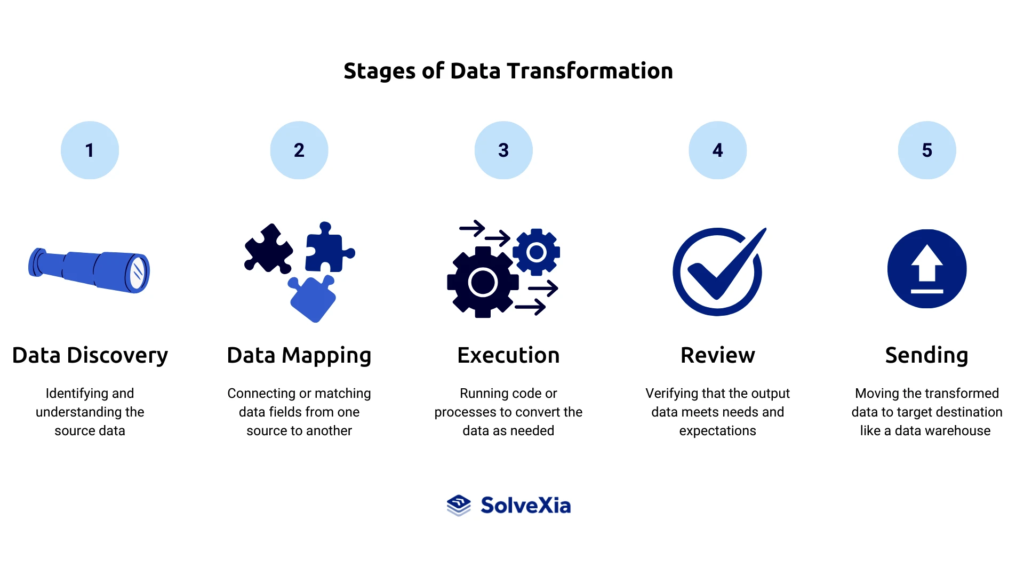
Modern marketing channels generate an overwhelming, dizzying amount of analytical data every single day. Between web tracking pixels, social media impressions, and ad click-through metrics, most business owners find themselves completely drowning in spreadsheets without understanding what the numbers actually mean for their business strategy.
The Data-Driven Advantage: Advanced analytical software can process millions of disjointed data points in real-time to isolate clear, actionable consumer trends and performance anomalies. Instead of spending days manually building pie charts, you can immediately see which campaigns are driving real profit and which channels are burning through your ad spend without returning value. This clarity allows you to make confident, fast pivots in your marketing strategy based on cold, hard behavioral facts.
8. Reclaiming Creative Freedom Through Workflow Automation
If you audit where an average marketing manager spends their time during a typical forty-hour workweek, you will often find that a massive chunk of their time is wasted on low-value, repetitive administrative tasks. Moving files between folders, manually building weekly performance reports, and sorting email lists manually drains creative energy.
Automate Administrative Tasks ──> Reclaim Open Brainspace ──> Deep Strategic Creative Focus
By offloading these mechanical, administrative chores to smart automated workflows, you liberate your creative team’s mental bandwidth. When software handles the tedious tasks of data migration and report generation, your human marketers can step away from the spreadsheets and dedicate their best working hours to high-level brand strategy, deep competitive analysis, and crafting the kind of emotionally resonant, memorable brand campaigns that technology could never create on its own.
9. Protecting Your Core Brand Identity with Human Oversight
While the sheer speed and processing power of automated text tools are undeniable, relying on them blindly without strict human quality control is an absolute recipe for a brand public relations disaster. Software lacks real moral boundaries, true cultural context, and an authentic understanding of a company’s historical voice.
The most successful market leaders use software strictly as a foundational support layer while maintaining an uncompromising human editorial gate. Every single sentence generated by an automated tool must be thoroughly reviewed by an experienced editor to verify factual accuracy, remove repetitive phrasing, and check for hidden biases. More importantly, a human eye ensures that the text matches your exact brand tone, internal ethics, and unique point of view, protecting your reputation from looking generic and lazy.
10. The Road Ahead: Designing an Authentic Hybrid Strategy
As we move deeper into this collaborative digital era, the dividing line between successful companies and struggling ones will not be determined by who uses technology and who avoids it. The real winners will be the brands that learn how to integrate these tools with absolute transparency, strategic intention, and deep respect for the human consumer.
The future of digital growth does not belong to fully automated bots pumping out empty, low-quality text walls to manipulate search engines. It belongs to the visionary creators, writers, and entrepreneurs who utilize high-speed systems to manage data, scale production, and eliminate administrative friction—leaving them completely free to focus on what humans do best: building deep emotional connections, telling beautiful stories, and cultivating real community trust.