Let’s face it: whenever someone brings up artificial intelligence or automation, our minds tend to jump straight to Hollywood sci-fi movies. We imagine super-intelligent robots walking among us, self-aware mainframes controlling cities, or an overnight takeover of every job on the planet. This dramatic framing makes the actual technology feel incredibly intimidating, complex, and detached from our day-to-day realities.
But if we peel back the cinematic hype and look at what is happening in the real world, the truth is far more grounded. You don’t need a degree in advanced computer science or software engineering to understand this digital evolution. At their core, these technologies aren’t about building mechanical humans; they are about creating smart digital tools designed to handle the massive friction of repetitive work, solve complex data puzzles, and give us back our most valuable resource: time.
We are living through a massive historical shift in how humanity interacts with machines. For decades, computers were completely passive objects—they sat on our desks, quietly waiting for us to type in an exact command, and they only executed rigid, step-by-step instructions. Today, that relationship has completely changed. Our devices are learning from our habits, predicting our moves, and taking over routine tasks before we even think to ask.
This isn’t just about high-tech novelty; it is a fundamental restructuring of how we run businesses, manage our homes, and communicate globally. By understanding the real mechanics behind these tools, you stop looking at the future with anxiety and start seeing how to make these systems work for you.
What Is Artificial Intelligence?
To understand artificial intelligence, it helps to look at how regular computer programming used to work. Traditional software is a lot like a strict kitchen recipe: if you follow the exact steps, you get the exact same result every time. The computer doesn’t think, it doesn’t improvise, and if it encounters a situation that isn’t written in its code, it completely breaks down.
AI completely flips this old model on its head by mimicking human cognitive functions like pattern recognition, language comprehension, and adaptive learning. Instead of giving the machine an exact map, you feed it massive mountains of data and let it figure out the connections on its own.
[Traditional Software] ──► Follows Rigid Rules ──► Cannot Adapt to New Situations

                                                       VS.

[Artificial Intelligence] ──► Studies Raw Data ──► Finds Patterns ──► Learns & Evolves
Think about how a human child learns to recognize a dog. You don’t explain the exact mathematical physics of a dog’s ears and tail; the child just looks at a few dogs, and their brain automatically figures out the pattern. AI systems work the exact same way through machine learning algorithms.
By processing millions of examples, these systems can look at an image, translate a language, or analyze a medical scan with astonishing accuracy. They don’t just execute a script—they actively study information, track their own mistakes, and get smarter with every single interaction.
What Is Automation?
While AI is all about creating digital brains, automation is focused entirely on creating digital muscles. Automation is the practice of taking a repetitive, manual task that a human usually has to do by hand and handing it over to technology to execute automatically. The core objective here isn’t to think critically or make complex decisions; it is to maximize operational efficiency, eliminate human error, and speed up routine workflows.
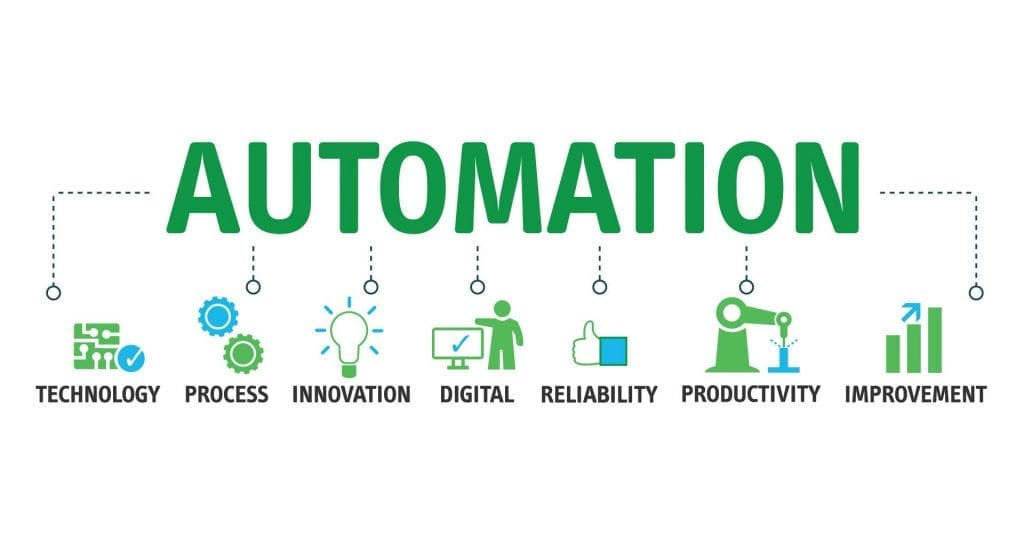
Automation has been around for centuries, stretching back to the water wheels of the industrial revolution, but today it lives mostly in software. Think about setting up an automated rule in your email inbox to sort messages from your boss into a specific folder, or scheduling an automated bill payment through your bank.
The software isn’t sitting there pondering your financial life or reading your emails with genuine understanding. It is simply executing a strict, predetermined rule: if X happens, then do Y. By letting machines handle these boring, high-volume tasks, we free up our mental energy for things that actually matter.
Understanding the Difference Between AI and Automation
Because these two terms get thrown around together constantly in tech news, it is incredibly easy to mistake them for the exact same thing. But mixing them up is like confusing a car’s engine with its navigation system.
The easiest way to separate them is to remember that automation runs on rules, while AI runs on data analysis. Automation is completely blind to context—it blindly follows a straight line and will happily keep doing the exact same thing forever, even if the situation around it changes completely.
┌───────────────────────────────── THE CORE DIFFERENCE ─────────────────────────────────┐
│                                                                                       │
│  AUTOMATION (The Muscle): Follows a pre-set rule perfectly.                           │
│  "If an invoice arrives via email, download the PDF and save it to the folder."      │
│                                                                                       │
│  ARTIFICIAL INTELLIGENCE (The Brain): Analyzes, understands, and decides.             │
│  "Read the PDF invoice, figure out if the pricing looks suspicious, and flag errors." │
│                                                                                       │
└───────────────────────────────────────────────────────────────────────────────────────┘
AI introduces a level of critical thinking into the equation. An automated system can pull data out of a digital spreadsheet and paste it into a form at lightning speed without making a typo.
But an AI system can look at that same data, notice a weird drop in sales trends, predict what your inventory needs will look like next month, and give you advice on how to fix it. Automation does the heavy lifting, while AI handles the complex decision-making.
How AI and Automation Work Together
When you keep AI and automation separate, they are highly useful tools; but when you fuse them together into a single system, they become an absolute superpower. This intersection is what tech experts call intelligent automation.
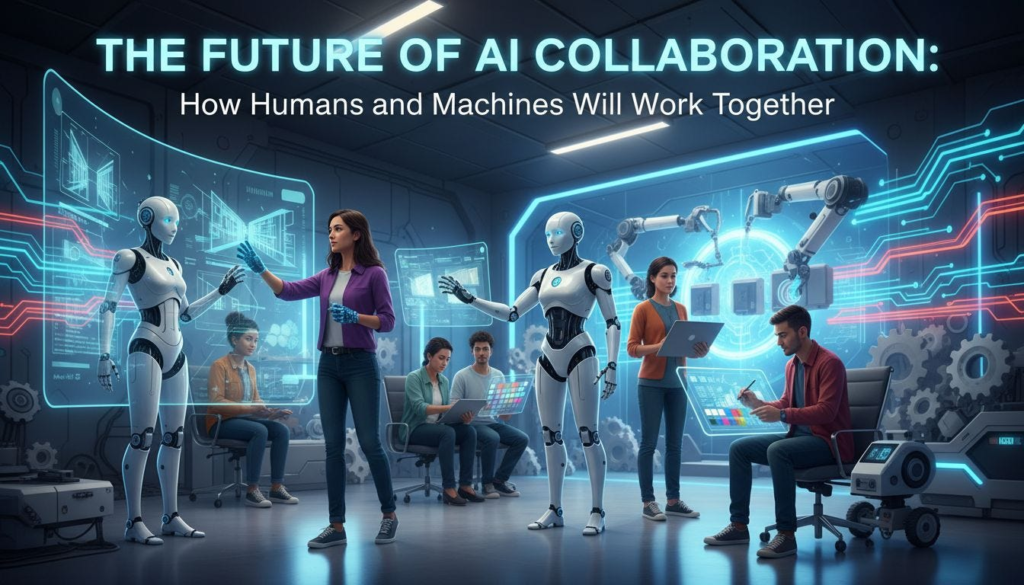
By combining the unstoppable muscle of automated workflows with the sharp analytical brain of artificial intelligence, companies can build self-correcting systems that handle complex processes from start to finish without needing constant human supervision.
Look at how modern customer service has evolved. An old-school automated system could only offer a clunky phone menu where you press numbers to hear a recorded message.
Today, a hybrid AI-powered chatbot can instantly greet a customer, use natural language processing to understand an angry message, pull up the customer’s shipping data automatically, process a refund on the spot, and update the logistics ledger—all in a matter of seconds. This powerful combination handles the entire routine workload seamlessly, allowing human teams to focus on the trickiest edge cases.
AI and Automation in Everyday Life
You don’t need to walk into a high-tech factory or a corporate boardroom to see these systems in action. The reality is that you are probably interacting with a complex web of AI and automation dozens of times every single day before you even finish your morning coffee. These systems have woven themselves so seamlessly into our daily digital routines that we don’t even think of them as technology anymore—we just call them convenient features.
When you wake up and unlock your smartphone using facial recognition, an AI neural network is processing the geometric vectors of your face. When you open a navigation app to check your morning commute, an AI system is actively analyzing millions of live data points from other drivers to reroute you around an accident before you get stuck in gridlock.
Even when you sit down on the couch at night, streaming platforms use advanced predictive recommendation engines to study your viewing history and suggest the perfect show to watch, making your life smoother and more tailored to your tastes.
How Automation Improves Productivity

The massive surge in workplace automation isn’t about replacing people; it’s about rescuing them from soul-crushing, repetitive busywork. In almost every office job on earth, people spend an enormous chunk of their week doing mind-numbing tasks like copying data between systems, generating weekly progress reports, and manually scheduling calendar invites. This represents a massive waste of human potential and leads to severe burnout and mental fatigue.
When a business automates these routine processes, workplace productivity skyrockets. Software robots can process thousands of invoices, update inventory systems, and compile data sheets in the background while human employees focus on creative problem-solving, strategic planning, and building human relationships.
This shift transforms the office environment, allowing teams to accomplish way more in an eight-hour day while keeping their minds fresh for high-value projects that require a genuine human touch.
The Impact on Jobs and Careers
It is completely natural to feel a bit anxious about how fast these technologies are moving, and the number-one question on everyone’s mind is always: Is a machine going to take my job? The media loves to fuel this fear with sensational headlines about widespread unemployment.
But if we look closely at how tech shifts have played out historically—like the invention of the personal computer or the automated bank ATM—the pattern shows us that technology doesn’t just erase careers; it completely redefines workplace roles.
While it is true that jobs made up entirely of predictable, manual data entry are phasing out, an incredible wave of new opportunities is opening up. The modern workforce is shifting toward a model of human-machine collaboration.
Instead of competing against AI, the most successful professionals are learning how to use it as a powerful assistant. Learning to manage automated workflows, write effective prompts, and interpret AI data analysis makes you an incredibly valuable asset in the modern digital economy.
Challenges and Ethical Considerations

We cannot talk about the amazing benefits of this technological revolution without taking a hard look at the serious challenges and ethical questions it brings along with it. Because AI systems are trained on historical data created by humans, they can easily inherit our worst flaws, leading to algorithmic bias and unfair decisions in things like hiring software or credit scoring systems.
If the data going into the system is skewed, the decisions coming out will be just as flawed.
[Flawed Historical Data] ──► AI Training Process ──► Systemic Algorithmic Bias
There are also massive concerns around personal data privacy and cybersecurity. As these systems collect more intimate details about our daily routines, shopping habits, and financial histories to feed their learning models, protecting that information from data breaches becomes a critical priority.
Ensuring total transparency, keeping strict human oversight in the loop, and building ethical guardrails are absolutely vital steps to ensure these systems are used safely and responsibly.
Industries Being Transformed
The reach of intelligent technology stretches far beyond tech hubs, driving a massive wave of transformation across every major industry on earth.
          ┌────────────────── INDUSTRY TRANSFORMATION ──────────────────┐
          ▼                                                              ▼
    [HEALTHCARE]                                                   [FINANCE]
    Predicts diseases, tracks trends,                              Monitors transactions 24/7, flags anomalies,
    and analyzes medical scans instantly.                          and catches fraud before it happens.
In the field of modern healthcare, AI systems can scan thousands of X-rays or MRI images to spot tiny anomalies that a tired human eye might miss, helping doctors catch illnesses incredibly early. In the financial sector, advanced security algorithms monitor millions of transactions simultaneously, flagging suspicious card use and stopping identity theft before a criminal can spend a single dime.
From automated tractors optimizing crop yields in agriculture to smart supply chains tracking cargo ships across the ocean, these tools are making the foundational systems of our world more resilient.
Popular Applications at a Glance
| Application | Technology | Primary Benefit |
| Smart Voice Assistants | Natural Language Processing | Provides instant hands-free help and info. |
| E-Commerce Recommendations | Predictive AI | Suggests products based on your past habits. |
| Automated Data Entry | Robotic Process Automation | Eliminates typos and handles busywork instantly. |
| Fraud Detection Systems | Anomaly Detection | Scans bank accounts 24/7 to block theft. |
| Smart Home Thermostats | Adaptive Learning | Saves energy by learning your daily schedule. |
Building a Future Focused on Progress
The future of AI and automation isn’t about creating an artificial world that pushes humans out of the picture; it is about building a highly efficient partnership that makes our daily lives easier. As these digital systems get smarter, faster, and more accessible, they will continue to take over the boring, robotic tasks that drag us down.
By staying curious, learning how these systems operate, and embracing the power of modern technology, we can build a world where machines do the repetitive work—and humans focus on creative, meaningful progress.